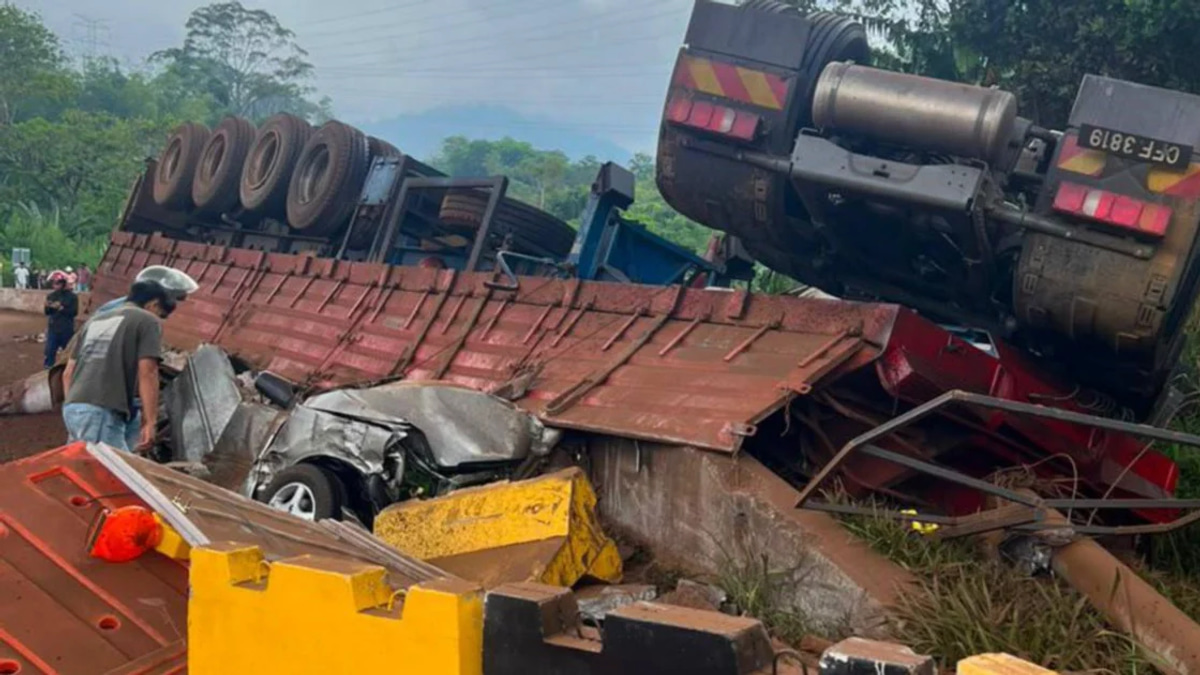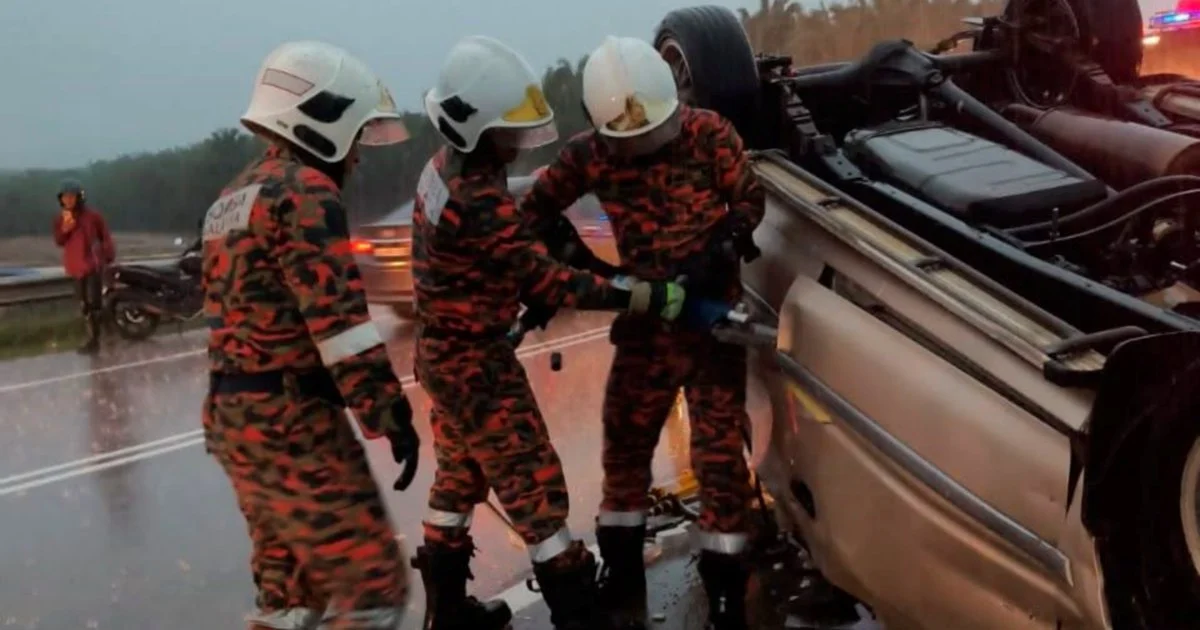
A devastating pattern of tragedy unfolded across Pahang today as two separate traffic incidents claimed four lives within a compressed timeframe. The incidents, occurring in Maran and Pekan less than an hour apart, highlighted the recurring dangers of Malaysian roads and the unpredictable nature of transport emergencies. Among those who perished were two sisters, their deaths marking a particular poignancy in what has become an increasingly common occurrence across the nation's highways.
The proximity of these two fatal crashes—both in location and timing—raises questions about whether common contributing factors might have been at play. Whether mechanical failures, driver fatigue, weather conditions, or infrastructure issues formed a connecting thread remains a matter for traffic investigators to determine. Such temporal and geographical clustering of accidents occasionally points to underlying hazards that may persist in particular regions, affecting multiple road users within a brief window.
Road safety statistics across Malaysia continue to paint a sobering picture, with Pahang consistently featuring among states experiencing significant traffic incidents. The state's geography, encompassing extensive stretches of federal and state highways connecting major towns and rural areas, creates complex driving environments that demand heightened vigilance from motorists. Speed management, vehicle maintenance, and weather awareness become critical factors in these less densely populated regions where emergency response times may be extended.
The involvement of siblings among today's victims underscores how sudden accidents can devastate entire families in singular moments. The loss of two daughters, sisters, and potentially mothers, wives, or breadwinners represents not merely a statistical tragedy but a profound human rupture affecting extended kinship networks and communities. Such incidents typically trigger waves of collective mourning that extend far beyond immediate family circles in Malaysian society.
Traffic accident prevention remains a multifaceted challenge requiring coordination across several institutional domains. Road infrastructure maintenance, vehicle inspection standards, driver education programmes, and enforcement of traffic regulations all contribute to the complex ecosystem of road safety. Recent initiatives by relevant authorities have focused on addressing the most critical risk factors, yet incidents like those in Maran and Pekan suggest that implementation gaps persist in translating policy into consistently safer road conditions.
The investigation into both accidents will likely scrutinise vehicle conditions, driver documentation, weather and visibility parameters, and witness accounts. Emergency responders in Pahang have considerable experience managing serious traffic incidents across the state's diverse roadways, but the concentration of fatalities within sixty minutes places particular pressure on immediate response protocols. Such incidents frequently become reference points for reviewing accident prevention strategies and resource allocation.
For Malaysian road users, particularly those navigating highways in Pahang, today's events serve as a reminder of transport's inherent vulnerabilities. Defensive driving practices, regular vehicle maintenance checks, adequate rest during long journeys, and compliance with speed restrictions represent practical interventions within individual driver control. Yet collective safety also depends on sustained investment in road infrastructure, consistent enforcement presence, and public awareness campaigns addressing specific risk behaviours.
The timing of these accidents—occurring within the same hour—suggests circumstances that might warrant examination across both sites. Whether identical hazards exist at both locations, whether similar vehicle types were involved, or whether temporal factors such as lighting conditions or peak traffic periods contributed remains investigative terrain. Such analysis helps authorities identify whether interventions at specific locations might prevent future recurrences.
Statewide responses to elevated traffic fatality rates in Pahang have historically included enhanced police visibility during high-risk periods, targeted campaigns addressing particular road segments, and coordination between state authorities and highway operators. Today's incidents may prompt additional security reviews or resource redeployments aimed at reducing accident frequency on routes connecting Maran and Pekan, though systematic improvements typically require sustained funding and policy commitment.
The psychological impact on emergency services personnel attending multiple fatal incidents within a brief period deserves recognition, as such concentration of tragedy affects responders' wellbeing alongside affecting bereaved families. Support mechanisms for these professionals remain an underappreciated dimension of road safety infrastructure in Malaysia.
Looking forward, these deaths contribute to accumulating evidence about persistent vulnerabilities in Malaysia's transport safety landscape. While individual accidents remain essentially unpredictable, population-level risks can be reduced through systematic attention to contributing factors. For Pahang specifically, continued focus on infrastructure maintenance, driver education initiatives, and regular enforcement operations represents the pathway toward reducing such tragic clusters of fatality from reshaping itself across Malaysian highways.