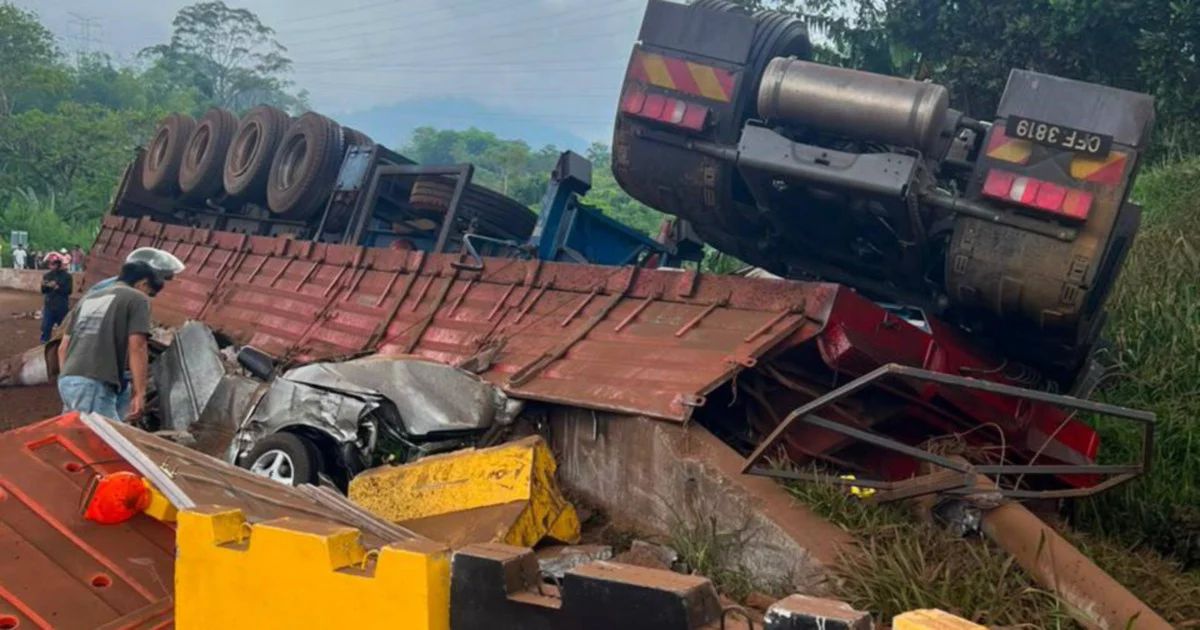
The driver of a heavy trailer involved in a catastrophic collision on the Karak Expressway near Bentong that resulted in four deaths has been released on police bail as investigations into the incident continue. The crash, which occurred on June 14, sent shockwaves through the Pahang community and prompted heightened scrutiny of safety standards on the country's major expressways. The bail decision indicates authorities are still gathering evidence and conducting technical assessments before determining what charges, if any, will be brought against the driver.
The Bentong incident represents another tragic reminder of the hazards facing motorists on Malaysia's expressway network, particularly those traversing the Karak Expressway, a critical route linking the Klang Valley to the East Coast. The severity of the collision and the number of fatalities underscored the devastating impact that heavy vehicle accidents can have on passenger vehicles and their occupants. Initial reports suggest the scale of the impact was substantial enough to cause multiple casualties, pointing to either significant speed differential or a loss of control by the trailer unit at the moment of impact.
Police investigations into such incidents typically involve reconstructing the sequence of events leading to the crash, examining maintenance records of the trailer, and reviewing the driver's service hours and rest periods. Given that the vehicle involved was a commercial trailer, regulatory compliance with vehicle inspection standards and load securing protocols would form part of the forensic analysis. The Pekan police district, which oversaw the initial response and apprehension of the driver, would have coordinated with highway safety specialists and traffic reconstruction experts to piece together the timeline of events.
The decision to release the driver on bail rather than remand him in custody suggests police believe they have sufficient preliminary evidence to proceed but require additional time to complete their investigation. This procedural approach is standard in Malaysian criminal law for serious cases involving fatalities, allowing authorities to interview witnesses, examine vehicle data recorders if present, and conduct laboratory analysis on any physical evidence collected at the scene. The bail conditions typically include reporting requirements and restrictions on travel to ensure the driver remains available for prosecution.
For the families of the four victims, the bail decision may feel unsatisfactory as they await clarity on accountability and potential compensation through civil claims. Malaysian courts have previously awarded substantial damages in cases where heavy vehicle operators were found negligent, particularly where breaches of maintenance standards or driver fatigue could be demonstrated. The manner in which these investigations conclude often extends beyond the criminal sphere into civil liability and regulatory accountability for fleet operators and transport companies.
The incident occurs against a backdrop of ongoing concerns about road safety on Malaysian expressways, where heavy vehicles represent a significant portion of traffic but where enforcement of safety regulations can be inconsistent. Statistics from previous years show that crashes involving commercial vehicles often result in disproportionately high numbers of fatalities compared to incidents involving private cars, primarily due to the mass differential and impact forces involved. Advocacy groups have repeatedly called for stricter enforcement of speed limits for heavy vehicles and mandatory use of advanced safety technologies such as electronic stability control and collision warning systems.
Transport operators and logistics companies face mounting pressure to implement rigorous driver management programmes, including regular skills assessments, fatigue monitoring systems, and vehicle maintenance protocols. Many international operators operating within Malaysia have adopted such measures as standard practice, creating a competitive differentiation where safety becomes a business asset. However, smaller operators sometimes lack the resources or incentive to invest in comparable safety infrastructure, creating two-tiered compliance across the industry.
The Karak Expressway specifically has been subject to periodic safety reviews, particularly regarding sections prone to congestion and incidents. Infrastructure improvements, including better signage, improved shoulder widths, and crash barriers, have been implemented in phases over recent years. However, incident prevention ultimately depends on driver vigilance, vehicle maintenance, and appropriate speeds given road and weather conditions. The June 14 incident will likely prompt renewed calls from transport safety advocates for accelerated implementation of remaining safety enhancements along this critical corridor.
As the investigation progresses over coming weeks, the focus will intensify on determining whether the crash resulted from driver error, mechanical failure, sudden medical incapacity, or a combination of factors. Dash camera footage from other vehicles, if available, could prove crucial in establishing the exact sequence of movements. The police bail decision signals that while a detailed investigation pathway is underway, the evidence gathered thus far does not automatically point toward criminal negligence charges, though such determinations may emerge as the investigation deepens.
The incident serves as a sobering reminder for all expressway users of the risks posed by heavy vehicles in close proximity to passenger cars, and the importance of maintaining safe following distances and defensive driving practices. For the trailer driver facing ongoing legal proceedings, the bail period provides opportunity to secure legal representation and prepare responses to the charges that authorities may ultimately pursue. The closure of this case, whenever it comes, will likely inform future discussions about commercial vehicle regulation and expressway safety standards throughout Southeast Asia.
%22%2F%3E%3C%2Fpattern%3E%3C%2Fdefs%3E%3Crect%20width%3D%22100%25%22%20height%3D%22100%25%22%20fill%3D%22url(%23ph4w4yvg)%22%2F%3E%3Crect%20width%3D%22100%25%22%20height%3D%22100%25%22%20fill%3D%22url(%23ph4w4yvp)%22%2F%3E%3Ctext%20x%3D%2250%25%22%20y%3D%2250%25%22%20text-anchor%3D%22middle%22%20dominant-baseline%3D%22central%22%20fill%3D%22rgba(255%2C255%2C255%2C0.95)%22%20font-family%3D%22Georgia%2C%20'Times%20New%20Roman'%2C%20serif%22%20font-weight%3D%22700%22%20font-size%3D%22226%22%20letter-spacing%3D%22-0.02em%22%3EPenang%3C%2Ftext%3E%3C%2Fsvg%3E)