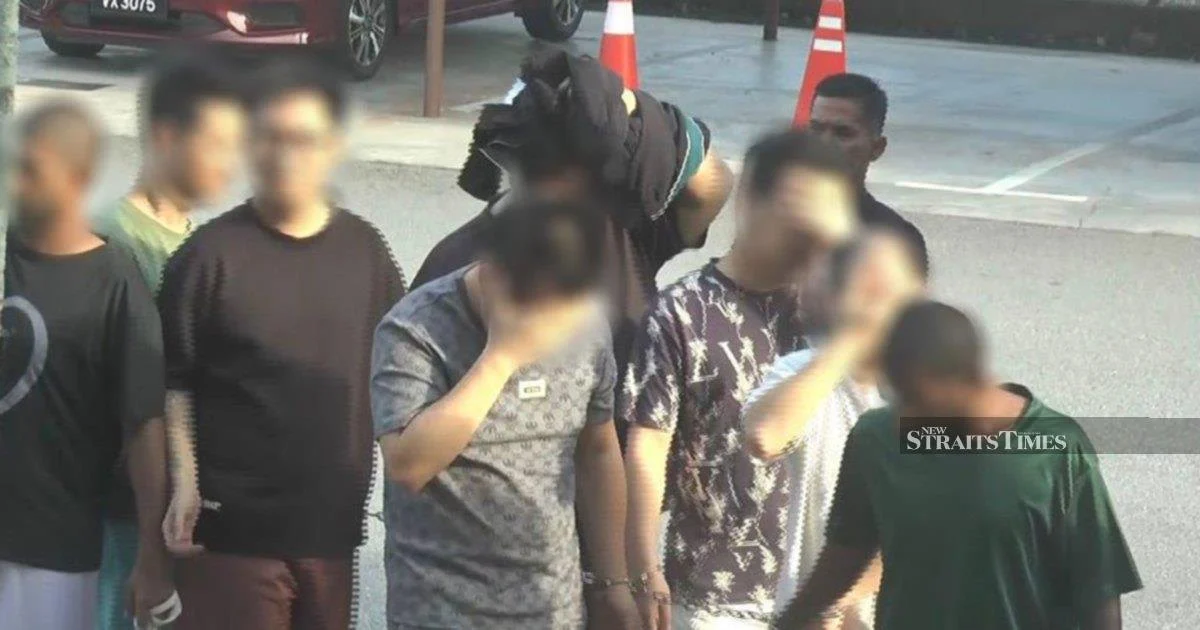
Six foreign nationals have been convicted and fined RM9,000 each by the Bukit Mertajam magistrates court for their involvement in a coordinated online romance scam that specifically targeted fellow Chinese and Taiwanese expatriates living in Malaysia and across Southeast Asia. The convictions, handed down following guilty pleas entered by all six defendants, represent another significant enforcement action against the transnational fraud syndicates that have proliferated across the region in recent years.
The case involved five Chinese citizens and one man from Taiwan, each of whom played a role in a sophisticated deception scheme that capitalized on the isolation and vulnerability of migrant workers and expatriates seeking companionship. These types of offences, commonly referred to as romance or love scams, remain among the fastest-growing cybercrime categories affecting Asian communities, with perpetrators exploiting emotional rather than technical vulnerabilities to extract money from their victims.
Online romance fraud operates through a well-established playbook that the defendants followed meticulously. Perpetrators create fake profiles on dating and social media platforms, often using stolen photographs and fabricated biographical details to construct convincing personas. They then engage potential victims in extended online conversations designed to build emotional attachment and trust over weeks or even months. This grooming period is critical to the scam's success, as it allows the fraudster to establish credibility and lower the victim's natural defences against requests for money.
Once sufficient rapport has been established, the scammers introduce a plausible emergency or opportunity. Common scenarios include medical crises, business investments, travel expenses, or visa requirements. The urgency and emotional appeal of these situations are designed to bypass rational decision-making, prompting victims to make rapid wire transfers or provide banking details. In some cases, victims are manipulated into facilitating transfers on behalf of the scammer, making them unwitting accomplices and potentially exposing them to money laundering allegations.
The targeting of expatriate communities carries particular significance in the Malaysian and Southeast Asian context. These populations often maintain extensive overseas connections and may lack strong local social networks or family oversight, creating what researchers term "opportunity structures" for fraud. Additionally, victims within diaspora communities frequently feel shame and reluctance to report such crimes, fearing judgment from their communities or immigration authorities, which allows perpetrators to operate with relative impunity.
The geographic and organizational dimensions of this case underscore how romance fraud has evolved into a transnational enterprise involving specialization and division of labour. Scammers from Taiwan and mainland China have historically collaborated with local networks in Southeast Asia to establish safe money collection points, launder proceeds, and recruit additional participants. The involvement of both Chinese and Taiwanese nationals in this single operation reflects how fraud syndicates operate across political and jurisdictional boundaries to maximize operational efficiency and risk distribution.
Malaysia's enforcement agencies have intensified efforts to address online scams following public pressure and rising victim complaints. The Royal Malaysia Police's Commercial Crime Investigation Department and the Bukit Mertajam magistrates court's handling of this case exemplify a commitment to prosecuting foreign nationals who target vulnerable migrant populations. However, successful prosecution requires victims to come forward and provide detailed statements about their experiences, a significant barrier when language, legal literacy, and fear of authorities complicate reporting.
The RM9,000 fine imposed on each defendant reflects Malaysian sentencing guidelines for fraud offences, though the quantum of losses suffered by victims typically far exceeds these penalties. Observers note that fines alone may provide insufficient deterrence when syndicates operate across borders and perpetrators expect only a fraction of their number to face prosecution. This enforcement-capacity challenge remains acute across Southeast Asia, where underfunded cybercrime units struggle to investigate cross-border conspiracies.
The psychological impact on victims extends beyond direct financial loss. Survivors of romance scams frequently experience profound emotional trauma, shame, and loss of trust in online interactions and social relationships. Some victims continue sending money to scammers over extended periods, further deepening the financial damage. Family relationships have fractured when victims attempted to conceal losses, and some individuals have experienced mental health crises following discovery of the deception.
Experts recommend that vulnerable populations employ verification techniques when engaging online romantic interests, including reverse image searches, video calls, and offline background checks. Malaysian authorities have also launched public awareness campaigns emphasizing that legitimate romantic partners do not request money within weeks of meeting online, though such messaging has shown limited effectiveness among victims motivated by loneliness and desire for connection.
Looking forward, the Bukit Mertajam conviction may stimulate greater cooperation between Malaysia, China, and Taiwan in addressing romance fraud. Cross-border intelligence sharing and simultaneous enforcement actions against scam infrastructure represent the most promising approaches to disrupting these syndicates. However, until victim reporting increases and international coordination mechanisms improve, online romance scams will remain a persistent threat to Southeast Asia's growing expatriate populations and vulnerable social groups seeking connection in digital spaces.


%22%2F%3E%3C%2Fpattern%3E%3C%2Fdefs%3E%3Crect%20width%3D%22100%25%22%20height%3D%22100%25%22%20fill%3D%22url(%23ph40buhg)%22%2F%3E%3Crect%20width%3D%22100%25%22%20height%3D%22100%25%22%20fill%3D%22url(%23ph40buhp)%22%2F%3E%3Ctext%20x%3D%2250%25%22%20y%3D%2250%25%22%20text-anchor%3D%22middle%22%20dominant-baseline%3D%22central%22%20fill%3D%22rgba(255%2C255%2C255%2C0.95)%22%20font-family%3D%22Georgia%2C%20'Times%20New%20Roman'%2C%20serif%22%20font-weight%3D%22700%22%20font-size%3D%22320%22%20letter-spacing%3D%22-0.02em%22%3EGRS%3C%2Ftext%3E%3C%2Fsvg%3E)