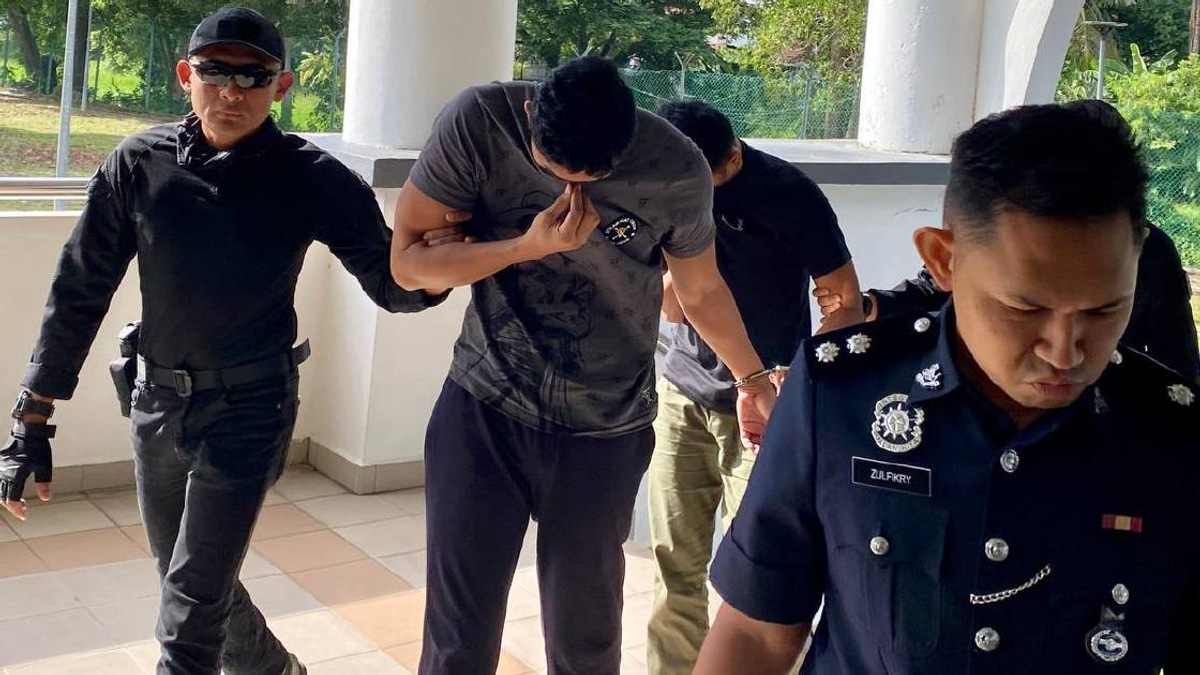
A uniformed police corporal appeared in Kota Baru magistrate's court to contest allegations that he possessed approximately 19.8 grams of methamphetamine within the lock-up facilities at the courts complex. The accused entered a not guilty plea, setting the stage for what promises to be a closely scrutinised legal proceeding given the sensitivity surrounding law enforcement personnel implicated in drug-related offences. The discovery of illicit substances in a custodial area within a judicial building represents a significant breach of security and public trust.
The incident occurred within the confines of the Kota Baru courts complex lock-up sometime during the preceding week, according to court records. Lock-ups attached to judicial facilities typically house individuals awaiting trial or sentencing, and are meant to operate under strict security protocols. The location of the alleged discovery—in an area nominally overseen by law enforcement—raises troubling questions about how contraband materials might have entered a supposedly secure detention space and why monitoring procedures failed to detect the substance sooner.
This case exemplifies a broader concern affecting police institutions across Malaysia. When members of the security forces themselves become entangled in narcotics cases, it corrodes public confidence in law enforcement's capacity to combat drug trafficking and maintain internal discipline. The Royal Malaysia Police has in recent years launched initiatives to root out corruption and misconduct within its ranks, yet high-profile arrests of officers continue to surface, suggesting persistent vulnerabilities in screening, supervision, and institutional accountability.
Drug possession charges targeting uniformed personnel carry heightened implications for departmental reputation and operational effectiveness. Police officers are entrusted with enforcing narcotics laws and apprehending trafficking suspects. When an officer stands accused of possessing the very substances they are sworn to combat, it undermines the credibility of anti-drug enforcement efforts and provides ammunition to critics questioning the integrity of policing institutions. The case will likely attract media and civil society attention, particularly among Kelantan residents and observers nationwide who monitor judicial proceedings involving state apparatus personnel.
The charge involves methamphetamine, commonly known as syabu or ice on Malaysian streets, and reflects the ongoing drug crisis affecting the nation. Methamphetamine remains one of the most prevalent illicit substances in circulation, with enforcement agencies recording significant seizures annually. The quantities involved—nearly 20 grams—exceed typical personal consumption amounts, potentially suggesting intent to distribute, though the court will determine exact culpability based on evidence presented.
Secure handling and chain-of-custody protocols within courts and police facilities are designed specifically to prevent such incidents. The fact that a controlled substance allegedly appeared in a lock-up area indicates either a failure in security measures, a breach by authorised personnel, or a combination of systemic weaknesses. Investigators will need to establish how the substance entered the facility, whether it was planted, smuggled, or stored by the accused, and what opportunities existed for unauthorised access to the detention area.
The corporal's not guilty plea signals an intention to contest the prosecution's case through substantive legal argument rather than accepting responsibility. The defence will likely examine how evidence was collected, stored, and presented, exploring potential irregularities in investigative procedure or forensic handling. Given the courtroom setting where the discovery occurred, witness availability and documentation requirements may differ from typical street-level drug arrests, potentially creating procedural complexities for prosecutors.
Kelantan, the jurisdiction where this proceeding unfolds, has grappled with persistent drug trafficking challenges. Local authorities have implemented various enforcement strategies, from checkpoint operations to rehabilitation initiatives. An internal drug case involving police personnel could complicate these efforts by raising questions about whether resources are adequately deployed toward external threats or whether internal security matters demand proportionate institutional attention.
The upcoming trial will establish important precedent regarding how the judiciary treats law enforcement personnel accused of narcotics offences. Malaysian courts have consistently demonstrated commitment to prosecuting violations regardless of the accused's occupation, but each case involving uniformed officers generates scrutiny about consistency, sentencing approaches, and whether the justice system applies uniform standards across social hierarchies. The magistrate handling this matter will need to weigh evidence meticulously while maintaining public perception of impartial adjudication.
Beyond the individual defendant's culpability, this case prompts institutional reflection. Police leadership faces pressure to demonstrate that internal accountability mechanisms function effectively and that the organisation takes seriously allegations affecting officer integrity. Training, supervision, and preventive measures aimed at identifying and deterring substance abuse among personnel will likely feature in subsequent departmental reviews. The outcome of this proceeding will resonate within police ranks and influence public assessment of whether institutional reforms are yielding tangible results.
The magistrate's court will now proceed to hear evidence from the prosecution and defence witnesses, examine documentary materials, and assess credibility determinations before rendering judgment. The timeline for concluding this matter remains uncertain, but Malaysian court schedules typically extend proceedings across multiple sessions. Whether the corporal ultimately faces conviction will depend fundamentally on the strength of forensic evidence, witness testimony, and the legal arguments advanced by both prosecution and defence counsel.

%22%2F%3E%3C%2Fpattern%3E%3C%2Fdefs%3E%3Crect%20width%3D%22100%25%22%20height%3D%22100%25%22%20fill%3D%22url(%23ph3sufhg)%22%2F%3E%3Crect%20width%3D%22100%25%22%20height%3D%22100%25%22%20fill%3D%22url(%23ph3sufhp)%22%2F%3E%3Ctext%20x%3D%2250%25%22%20y%3D%2250%25%22%20text-anchor%3D%22middle%22%20dominant-baseline%3D%22central%22%20fill%3D%22rgba(255%2C255%2C255%2C0.95)%22%20font-family%3D%22Georgia%2C%20'Times%20New%20Roman'%2C%20serif%22%20font-weight%3D%22700%22%20font-size%3D%22272%22%20letter-spacing%3D%22-0.02em%22%3EPerak%3C%2Ftext%3E%3C%2Fsvg%3E)