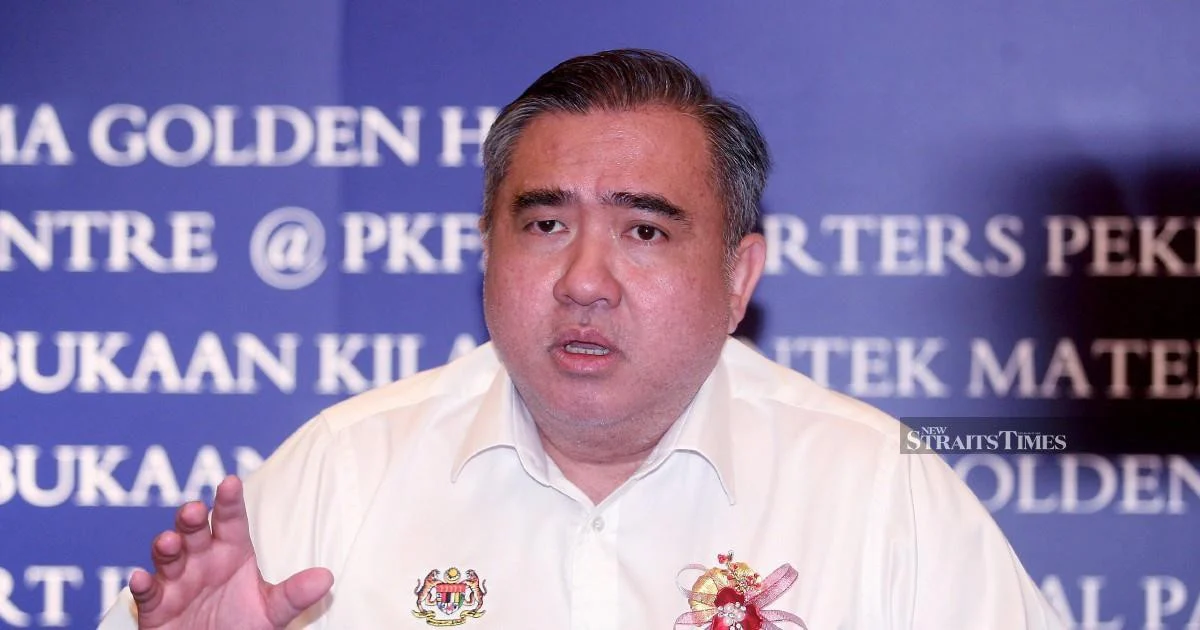
The Democratic Action Party will formally introduce its carefully selected roster of candidates for the Johor state election during an event in Kluang this evening, marking a pivotal moment in the party's bid to strengthen its presence in one of Malaysia's most strategically important states. The announcement comes as political temperatures rise across Johor, with various coalitions and parties preparing their own candidate lineups for what promises to be a closely contested electoral battle.
Johor has long been regarded as a political bellwether for national elections, making the DAP's candidate selections particularly significant. The party has faced considerable pressure in recent years to expand its footprint beyond traditional urban strongholds and build more robust support in smaller towns and rural constituencies. The composition of tonight's announced slate will offer critical insights into whether DAP has successfully broadened its appeal or remains concentrated in its established bases of support.
The timing of this candidate announcement reflects the accelerated pace of electoral politics in the state. With competing coalitions making their own moves and various political alignments still being negotiated, DAP's decision to go public with its candidates now positions the party clearly in the race. This transparency also serves to energise party activists and supporters while giving voters concrete information about who will represent DAP in their constituencies.
For Malaysian political observers, particular attention will focus on which incumbents have retained their seats and which new faces have been selected. Candidate selection processes in Malaysian politics often prove contentious, with internal party dynamics, factional considerations, and electoral calculations all playing roles in determining who receives nominations. The balance DAP strikes between rewarding long-serving members and injecting fresh talent frequently signals the party's strategic direction.
Johor's political landscape has undergone significant shifts in recent years. The state's diverse economy, spanning manufacturing hubs, agricultural regions, and increasingly vibrant commercial centres, means that candidates must appeal across multiple voter demographics and interest groups. DAP's ability to field candidates who genuinely resonate with local communities will substantially influence whether the party can convert its organisational efforts into actual electoral gains.
The party's strategy in Johor must also be understood within the broader context of Malaysian coalition politics. DAP's positioning within relevant alliances, its negotiating leverage with potential partners, and its capacity to build constituencies based on bread-and-butter issues rather than purely identity politics will all become clearer once the full candidate list emerges. Tonight's announcement therefore carries implications that extend well beyond Johor itself.
Historically, DAP has derived considerable strength from urban areas where education levels are high, Chinese-language communities are significant, and voters prioritise competence and transparency in governance. However, the party has increasingly sought to demonstrate appeal to Malay-majority areas and rural constituencies, recognising that any realistic path to greater electoral influence requires broader demographic reach. The candidates announced tonight should illuminate how successful this diversification effort has been.
The Kluang venue choice itself warrants consideration. Located in the heart of Johor, Kluang represents neither the party's most dominant urban area nor a completely unfamiliar territory. This middle-ground selection suggests DAP may be attempting to project itself as a party with genuine statewide ambitions rather than one confined to particular enclaves. Such symbolism matters considerably in Malaysian politics, where perceptions of inclusivity and wider appeal influence voter behaviour.
Electoral observers from Singapore, Brunei, and other ASEAN neighbours often monitor Johor elections closely, given the state's geographical and economic proximity to Singapore and its overall importance to regional economic networks. DAP's performance and strategy in Johor therefore carries implications that ripple across the region, particularly for understanding how Malaysian political parties are adapting to evolving demographic and economic realities.
The candidates announced tonight will collectively represent DAP's assessment of where electoral opportunities lie, which communities the party believes can be persuaded to support it, and which individuals the leadership believes can effectively advocate party positions at the state assembly level. Each nomination reflects a calculation about local issues, candidate viability, and potential for garnering votes among contested constituencies.
As Johor moves closer to an election, this announcement marks a moment when the political campaign substantially shifts from behind-the-scenes preparation into public view. Voters will now begin evaluating specific individuals rather than merely considering abstract party platforms. For DAP, the individuals announced tonight become the public face of the party's vision for Johor's future, and their personal credibility and appeal will significantly influence whether the party's electoral hopes translate into actual representation.

%22%2F%3E%3C%2Fpattern%3E%3C%2Fdefs%3E%3Crect%20width%3D%22100%25%22%20height%3D%22100%25%22%20fill%3D%22url(%23ph3sufhg)%22%2F%3E%3Crect%20width%3D%22100%25%22%20height%3D%22100%25%22%20fill%3D%22url(%23ph3sufhp)%22%2F%3E%3Ctext%20x%3D%2250%25%22%20y%3D%2250%25%22%20text-anchor%3D%22middle%22%20dominant-baseline%3D%22central%22%20fill%3D%22rgba(255%2C255%2C255%2C0.95)%22%20font-family%3D%22Georgia%2C%20'Times%20New%20Roman'%2C%20serif%22%20font-weight%3D%22700%22%20font-size%3D%22272%22%20letter-spacing%3D%22-0.02em%22%3EPerak%3C%2Ftext%3E%3C%2Fsvg%3E)