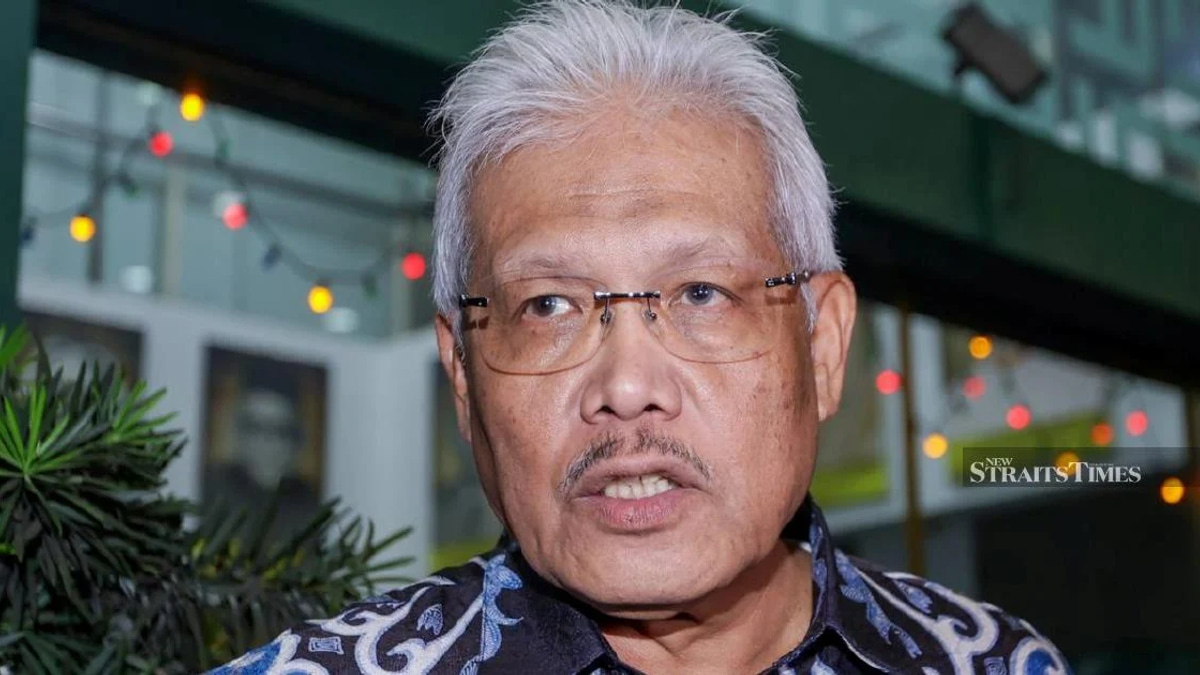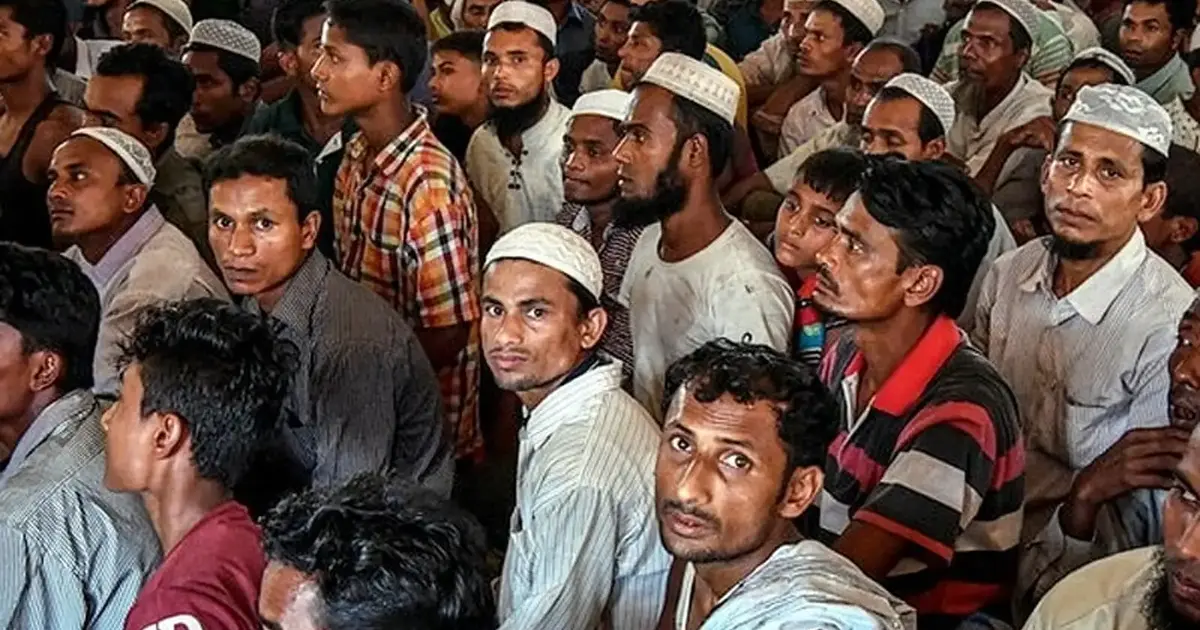
The Rohingya Ulama Council has moved swiftly to dismiss circulating allegations that members of the displaced Rohingya population are actively pursuing Malaysian citizenship, with leadership attributing the narrative to deliberate misinformation campaigns. Rahimullah Hussain, who chairs the council, characterised such claims as manufactured falsehoods intended to provoke animosity toward the Rohingya community at a time when tensions surrounding refugee populations remain elevated across Southeast Asia.
The timing of these denials reflects broader anxieties within Malaysia regarding its refugee demographics and integration policies. The country has long served as a primary destination for Rohingya fleeing persecution in Myanmar, hosting one of the world's largest stateless populations. That role has occasionally prompted domestic political discourse centring on national identity, resource allocation, and social cohesion—terrain where unsubstantiated claims can gain rapid purchase, particularly through social media channels where verification mechanisms prove insufficient.
Rahimullah Hussain's intervention signals the council's recognition that such allegations, however unfounded, carry real consequences for community welfare and public perception. By framing these claims as deliberate fabrications rather than honest misunderstandings, the council's leadership appears to be flagging a coordinated pattern of misinformation rather than isolated incidents. This distinction matters significantly for how communities respond and how authorities assess underlying tensions.
The Rohingya Ulama Council represents an institutional effort to organise community leadership and articulate collective positions on matters affecting the displaced population. Its chairman's public statement therefore carries weight beyond individual commentary, functioning as an official clarification directed toward both Malaysian authorities and the broader public. The council's intervention underscores how even unfounded allegations require formal rebuttal, lest silence permit narratives to crystallise into accepted fact within portions of the electorate.
Malaysia's relationship with its Rohingya population exists within a complex international framework. The country is not a signatory to the 1951 Refugee Convention, meaning Rohingya residents lack formal legal status and associated protections that would typically accompany refugee recognition. This ambiguity has created governance challenges and occasionally fueled speculation about irregular pathways to residency or citizenship—the precise vacuum that false narratives exploit.
The council's denial also reflects awareness that citizenship claims, whether real or imaginary, trigger particular sensitivities in Malaysian politics. Citizenship confers electoral participation rights, social benefits, and formal membership in the national community—stakes that inevitably attract attention from political actors with competing visions for the nation's demographic future. False allegations about citizenship-seeking can therefore mobilise opposition even where no substantive basis exists.
Contextualising this denial requires understanding the Rohingya community's actual legal position in Malaysia. Residents typically operate under UNHCR documentation rather than government-issued papers, holding identity cards that facilitate access to basic services while maintaining their status as persons of concern pending international resettlement. This liminal condition—neither fully integrated nor formally expelled—creates inherent instability and vulnerability to mischaracterisation.
Rahimullah Hussain's accusation that such allegations are fabricated suggests coordination behind misinformation efforts rather than organic grassroots confusion. If accurate, this assessment points toward deliberate actors invested in destabilising community relations. Identifying such actors would require investigation beyond the council's remit, falling instead to authorities responsible for combating coordinated disinformation campaigns and hate speech.
For Malaysian readers, this statement carries implications extending beyond the immediate Rohingya situation. It speaks to the broader challenge of managing displaced populations in an era of rapid information circulation where false claims can metastasise before correction becomes possible. The council's proactive denial strategy represents one approach to combating misinformation, though effectiveness ultimately depends on media literacy and institutional credibility among audiences most susceptible to such narratives.
The refutation also underscores how marginalised communities must expend resources defending against allegations that should bear minimal credibility, draining energy from constructive engagement with actual policy questions. This dynamic—where disadvantaged populations must perpetually justify their presence rather than debate substantive governance issues—reflects structural asymmetries in how refugee and migrant populations navigate public discourse in host countries.
Moving forward, Malaysian authorities face decisions about how to address the information ecosystem surrounding refugee populations. Permitting false narratives to circulate unchallenged risks normalising xenophobic sentiment, while excessive fact-checking can amplify undesirable claims. The council's statement indicates that community leadership recognises this challenge and intends to participate actively in shaping public understanding, a development that may provide authorities with valuable partnership opportunities for countering coordinated disinformation.