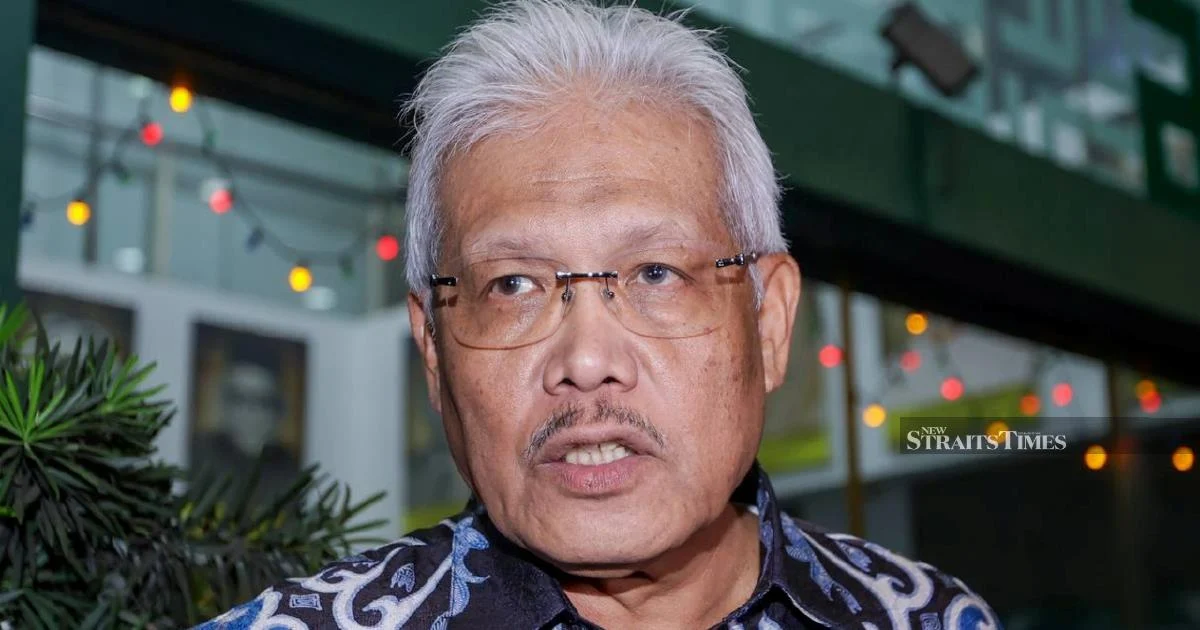
Datuk Seri Hamzah Zainudin's designation as opposition leader will be officially documented through a formal notice to be lodged with the Dewan Rakyat Speaker, with the submission expected before parliament reconvenes for its next sitting. The move from Kota Baru signals the final procedural step in formalising his leadership role within the parliamentary opposition, marking a significant development in Malaysia's political landscape following recent shifts in the political alignment.
The opposition coalition has undertaken the necessary steps to ensure that Hamzah's appointment is properly recorded in parliamentary records and protocols. This formal notification represents more than a mere administrative formality—it establishes Hamzah's official status in the legislative chamber and grants him the attendant rights and responsibilities associated with the opposition leader position. Among these privileges are the ability to table parliamentary questions, lead opposition debates, and serve as the principal spokesperson for the non-governmental side in the legislature.
Hamzah's ascent to the opposition leadership reflects the evolving dynamics within Malaysia's opposition bloc, which has undergone considerable restructuring in recent parliamentary terms. His appointment carries implications for how the opposition will organise its parliamentary strategy, coordinate messaging on key national issues, and exercise its constitutional duty as a check on the government's legislative and executive actions. The timing of this formal notification underscores the opposition's intent to establish clear institutional structures and legitimacy for their leadership hierarchy.
From a procedural standpoint, the notification to the Dewan Rakyat Speaker serves as the official record that the opposition has nominated and accepted a leader. This step ensures that parliamentary officials can appropriately recognise Hamzah in debate allocations, committee assignments, and other parliamentary functions that depend on identifying the opposition leader. The Speaker's office maintains records of such appointments, which inform parliamentary operations and media accreditation practices.
The opposition leader role carries particular significance in Malaysia's Westminster-influenced parliamentary system. Unlike in some other democracies, the opposition leader in the Dewan Rakyat enjoys certain formal protections and procedural rights. The position grants greater latitude in parliamentary questioning, additional speaking time during debates, and the authority to coordinate opposition movements on legislation and matters of privilege. These tools are instrumental for the opposition's ability to scrutinise government policy and hold the executive accountable within the legislative arena.
Hamzah's appointment also reflects internal consolidation within the opposition grouping. The decision to formalise his leadership through proper parliamentary procedures demonstrates the opposition's commitment to institutional legitimacy, even as they work outside government. This commitment to proper process and protocol strengthens the opposition's credibility when they challenge the government on matters of parliamentary procedure, constitutional interpretation, and governance standards. It establishes that the opposition operates within the same rules and traditions that govern the entire legislative body.
The filing of this notice ahead of the next parliamentary sitting ensures seamless transition in opposition parliamentary operations. When parliament convenes, the opposition will be positioned with an officially recognised leader, enabling efficient coordination of their legislative agenda. This timing also allows the parliamentary secretariat to update their internal systems and communications to reflect the new leadership arrangement, ensuring that Hamzah receives appropriate invitations to parliamentary events, media accreditation, and official functions associated with his position.
For Malaysian legislators and observers of parliamentary affairs, the formal notification process illuminates the procedural frameworks that underpin Malaysia's democratic institutions. While the appointment may have been announced through media statements or coalition meetings, the legal and institutional recognition comes through this formal submission to the Speaker. This distinction between announcement and formal registration matters significantly for parliamentary operations and constitutional propriety.
The opposition's attention to procedural correctness in formalising Hamzah's leadership signals a broader commitment to strengthening parliamentary conventions and democratic norms. In periods of political flux or heightened partisan tensions, adherence to proper procedures becomes especially important as a stabilising mechanism. By following established protocols for opposition leadership appointments, the coalition demonstrates that institutional frameworks remain respected even amid competitive political environments.
Looking forward, Hamzah's formal recognition as opposition leader will shape the tenor and substance of parliamentary debates in coming sessions. His role will encompass not only tactical legislative manoeuvres but also the responsibility to articulate the opposition's broader vision for national governance. The formal notification, therefore, represents more than administrative confirmation—it marks the beginning of his mandate to lead parliamentary opposition efforts and shape discourse on Malaysia's key policy challenges and priorities in the legislature.