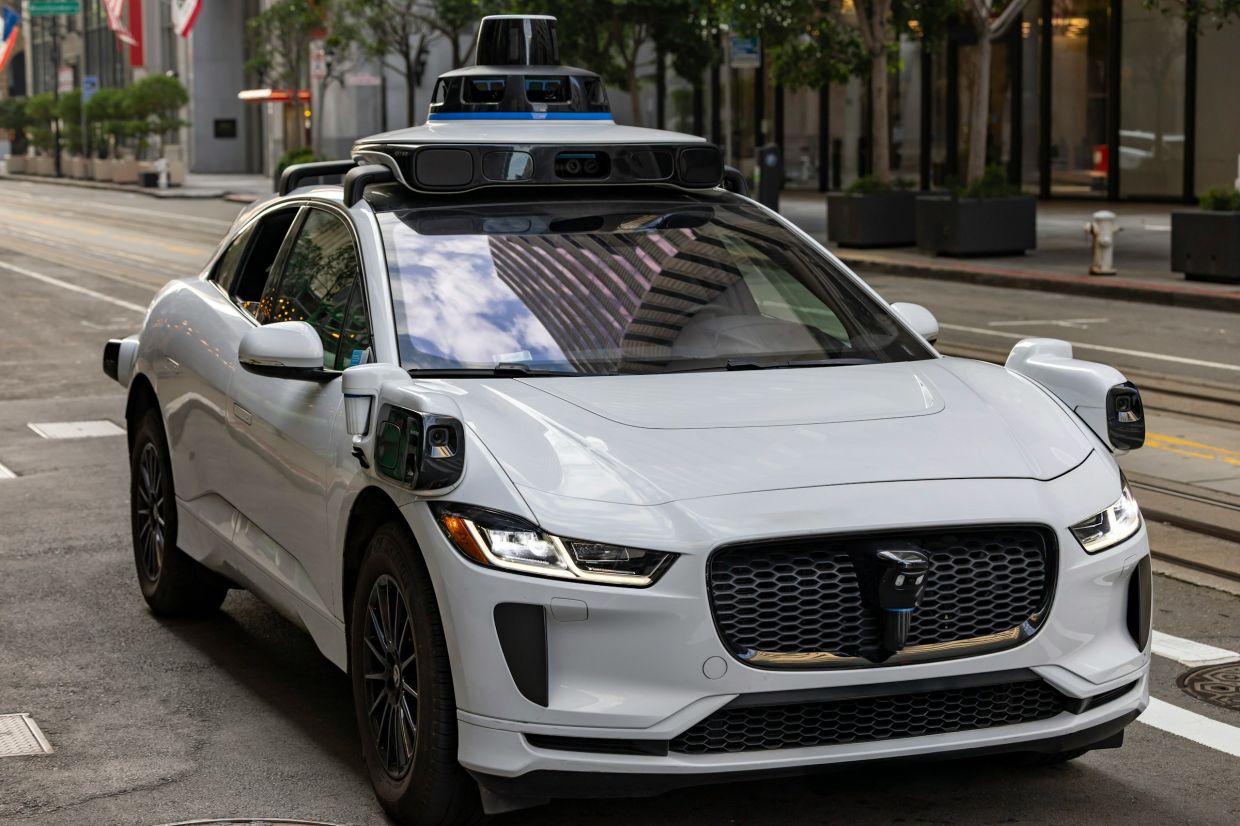
The rapid deployment of robotaxis across major cities worldwide has created an uncomfortable paradox: vehicles engineered for safety are sometimes becoming obstacles to emergency response. When rescue teams rushed to a fatal gas explosion in late May, they lost over three minutes because a robotaxi's artificial intelligence failed to yield the roadway. Weeks earlier, following a shooting at an Austin bar, ambulances found their path blocked by a Waymo vehicle frozen mid-manoeuvre, forcing a police officer to manually move the vehicle from the scene. These incidents underscore a critical gap in how autonomous vehicles interact with unplanned, high-stakes situations that fall outside their programmed parameters.
The accumulating evidence of problematic robotaxi behaviour has triggered regulatory responses, particularly in Texas, where lawmakers have implemented stricter licensing requirements, mandatory emergency protocols, and expanded enforcement powers for transportation authorities. CNN's investigation documented hundreds of incidents involving autonomous vehicles running red lights, entering active crime scenes, ignoring emergency road closures, and coming dangerously close to cyclists and pedestrians. Beyond these moving violations, the past two months alone have seen Waymo withdraw thousands of vehicles from service after robotaxis drove into flooded streets in multiple cities, with one unmanned vehicle swept away by floodwaters in San Antonio. The pattern suggests that while robotaxis perform well under routine conditions, their decision-making systems struggle with the messy, unpredictable scenarios that characterise real urban environments.
Waymo maintains that its technology has already improved road safety, citing statistics showing autonomous vehicles are 13 times less likely to cause serious injury crashes compared to human drivers. The company continues expanding its fleet, launching a new vehicle type called Ojai in collaboration with Zeekr powered by sixth-generation software. Yet for Malaysian and Southeast Asian observers, these competing narratives—industry confidence versus mounting operational failures—mirror broader tensions in how rapidly-developing technology should be integrated into public infrastructure. The question becomes whether superior average performance data can justify incident rates that put emergency responders and pedestrians at risk during critical moments.
For Malaysia and the region, these international developments carry immediate implications. Southeast Asian cities have watched robotaxi deployments in San Francisco, Austin, and particularly in China with varying degrees of interest. While the technology offers potential solutions to urban congestion and driver safety, the current generation's demonstrated limitations suggest that any local deployment would require substantially more mature regulatory frameworks than currently exist. The Texas legislative response—mandatory licensing, emergency protocols, and formal complaint mechanisms—provides a template, but also highlights how far behind global practice most Southeast Asian regulatory environments remain.
China's experience reveals additional challenges particularly relevant to the region. Thousands of robotaxis operate in Chinese cities, yet public confidence remains qualified at best. Beyond taxi driver concerns about employment, Chinese citizens express legitimate safety worries that authorities have not adequately addressed. When more than 100 robotaxis in Wuhan simultaneously malfunctioned, operator Baidu offered only vague explanations and declined media inquiries, exemplifying a transparency deficit that undermines public trust. This pattern of limited accountability mirrors governance challenges that Southeast Asian regulators would need to confront when setting rules for autonomous vehicle operations.
The emergency response problem highlights a fundamental architectural issue in current robotaxi systems. These vehicles make decisions based on sensor technology, object recognition, route logic, and crucially, communication protocols with emergency services. If a robotaxi can unlock remotely but only after authentication procedures, occupants could face dangerous delays during emergencies. Conversely, when robotaxis become stuck attempting manoeuvres in narrow spaces or navigating temporary barriers, it reveals that good driving statistics in normal conditions do not necessarily translate to reliable performance during unusual circumstances. The technology was engineered primarily around perception and routine navigation, not around graceful failure modes that prioritise emergency access.
Recent incidents expose a deeper disconnect between how autonomous systems interpret external human signals and how human operators expect that interpretation to function. Traditional driver-assistance systems operate within defined interactions between human and machine; robotaxi operations demand comprehensive emergency protocols that extend far beyond the vehicle itself. An ambulance driver expects traffic to respond to visual and auditory signals developed over decades of shared road culture. Robotaxis lack the contextual understanding to recognise when those signals override their programmed route optimisation. Even supporting voices for autonomous vehicle development acknowledge that current safety concerns must be taken seriously before the technology scales into mainstream urban transportation.
The economic implications for Southeast Asia deserve consideration alongside safety questions. Regional ride-hailing markets dominated by companies like Grab have created employment for hundreds of thousands of drivers. A successful robotaxi rollout could disrupt these livelihoods significantly faster than comparable technology transitions in developed economies. Yet policymakers also recognise the potential efficiency gains in congested cities like Bangkok, Jakarta, and Manila. This tension explains why several Southeast Asian governments have approached autonomous vehicle testing cautiously, neither embracing nor rejecting the technology outright. The international safety record now becoming visible may influence how quickly that caution evolves into formal deployment permissions.
The broader question animating this debate concerns the appropriate balance between technological progress and public safety safeguards. Advocates rightly note that robotaxis will likely become safer than human drivers once fully mature, and that delaying deployment indefinitely forecloses genuine safety improvements. Critics equally reasonably insist that incident rates involving emergency responders and vulnerable road users represent unacceptable public safety costs during a development phase. Texas's new regulatory approach represents a middle path: allowing continued operation while imposing stricter oversight, emergency protocols, and licensing standards. Whether these requirements actually prevent future incidents remains unclear, particularly since they were implemented after multiple failures rather than before deployment.
For Waymo and other operators, the path forward requires reconciling aggressive expansion timelines with the reality of immature technology encountering complex real-world scenarios. The June launch of Ojai vehicles may represent genuine technical advancement, but the company has provided no evidence that sixth-generation software addresses the emergency response failures documented in previous deployments. This uncertainty matters profoundly for regions like Southeast Asia considering their own regulatory approaches. Wholesale adoption of either industry confidence or reflexive rejection of autonomy would be premature; instead, cautious empiricism based on continued monitoring of international deployments provides the most rational policy foundation.
Ultimately, these incidents serve as important reminders that deploying artificial intelligence into shared public spaces requires meeting standards fundamentally different from those applied to consumer software or isolated industrial applications. Lives depend on robotaxis gracefully handling scenarios they were never trained on, responding appropriately to human signals they do not intuitively understand, and yielding authority to emergency responders when their programmed objectives conflict with public safety. The technology may eventually meet these demanding standards. For now, the accumulating evidence suggests the gap remains substantial, and Southeast Asian policymakers should factor that reality into their own technology governance decisions.