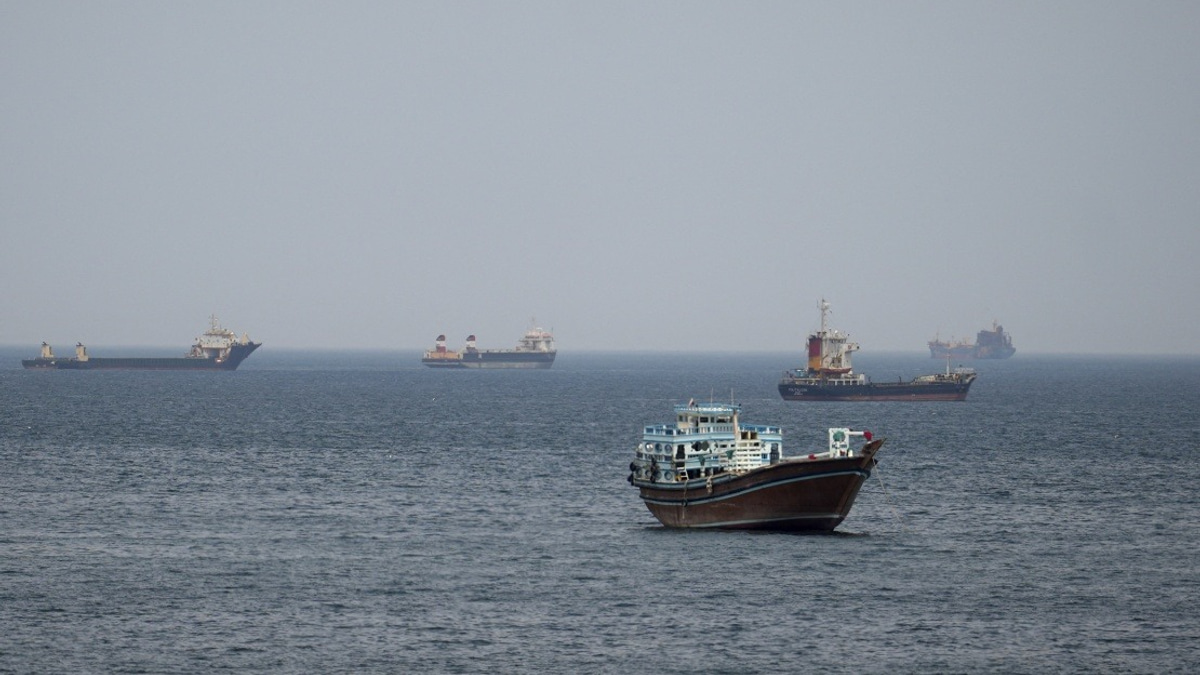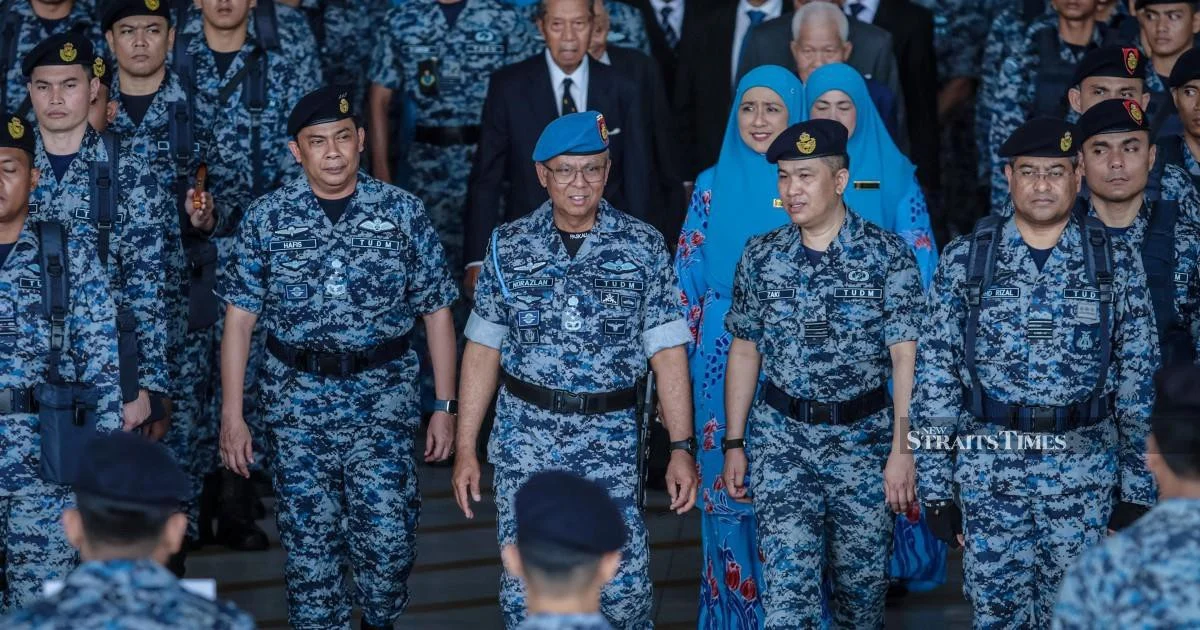
Malaysia cannot afford to underestimate the role of airpower in securing its maritime interests, according to the head of the Royal Malaysian Air Force. Speaking at an official engagement in Subang, General Tan Sri Muhamad Norazlan Aris underscored the growing necessity for robust air defence and patrol capabilities as the country navigates an increasingly complex regional security landscape. The assertion reflects mounting concerns within Southeast Asia about territorial disputes, shipping lane vulnerabilities, and the strategic competition reshaping the Indo-Pacific.
The statement carries particular weight given Malaysia's geographic position. The country's exclusive economic zone encompasses critical shipping corridors through the Strait of Malacca and the South China Sea, regions through which trillions of dollars in global trade flow annually. These waterways are essential not merely to Malaysia's own economic prosperity but to the supply chains of major economies worldwide. Any disruption to maritime security in these areas sends ripples through global markets and directly impacts Malaysian commerce, making the protection of these routes a matter of both national security and economic necessity.
The RMAF chief's emphasis on airpower reflects a broader strategic shift across the region. Traditional maritime patrol vessels, while important, cannot cover vast ocean territories efficiently. Coastal states increasingly recognise that aircraft—whether fixed-wing patrol planes, helicopters, or unmanned systems—provide superior range, response time, and surveillance capability. For Malaysia specifically, this means being able to monitor and intercept unauthorised activities across the expansive maritime zones under its jurisdiction, from routine patrols to rapid responses to piracy, smuggling, or incursions.
Geopolitical complications in Southeast Asia have intensified over recent years. Territorial disputes involving multiple claimants, military activities by distant powers, and the militarisation of certain features have created an environment requiring heightened vigilance. The major powers' strategic competition plays out significantly in maritime domains, with implications for smaller nations like Malaysia that must maintain sovereignty while avoiding escalatory confrontations. Airpower offers a measured but credible deterrent—the capacity to detect, monitor, and respond without necessarily engaging in direct confrontation.
For Malaysia, this challenge takes on specific dimensions. The country must contend with incidents ranging from maritime intrusions to disputed maritime boundaries. The ability to rapidly dispatch air assets to investigate anomalies, verify identities, and gather intelligence proves invaluable. Such capabilities also serve defensive purposes, protecting Malaysia's fishing communities, oil and gas operations, and merchant vessels transiting national waters. Without adequate airpower, Malaysia risks ceding effective control of its own maritime domain by default.
The modernisation and expansion of the RMAF's maritime patrol capabilities have therefore become strategic priorities. Advanced aircraft equipped with sophisticated sensors and communication systems can coordinate with naval assets to create an integrated maritime defence network. This layered approach—combining airpower with naval presence and coastal installations—creates redundancy and increases deterrence value. However, acquiring and maintaining such systems requires sustained defence investment, training of personnel, and integration with allied capabilities.
Regional cooperation also features prominently in Malaysia's maritime security strategy. Through organisations like the Association of Southeast Asian Nations and bilateral partnerships, Malaysia participates in joint patrols, information sharing, and coordinated responses to maritime challenges. Airpower enhances Malaysia's capacity to contribute meaningfully to these collaborative efforts, positioning the country as a responsible maritime actor capable of handling its share of regional security responsibilities. This collaborative dimension appeals to friendly nations and strengthens Malaysia's diplomatic standing.
The economic dimensions underscore why the RMAF chief's focus resonates beyond military circles. Malaysia's ports rank among Southeast Asia's busiest, handling container traffic from across the globe. Fishing communities operating from Malaysian coastal towns depend on safe passage through waters where airpower provides reassurance. The oil and gas sector, particularly operations in the South China Sea, requires credible security assurances. Each of these sectors contributes substantially to Malaysia's GDP and employment, making maritime security fundamentally a development issue.
Investment in airpower capability also considers technological evolution. Unmanned aerial vehicles increasingly feature in maritime surveillance operations worldwide, offering persistent monitoring at lower operational costs than crewed aircraft. Integrating such systems into Malaysia's maritime security apparatus could multiply effectiveness while managing budgetary constraints. The RMAF's strategic messaging likely reflects internal discussions about optimal force structures—balancing crewed and uncrewed systems, coastal patrol aircraft and longer-range platforms, indigenous capacity and international partnerships.
The Chief's public statement also signals Malaysia's determination to maintain agency in its own security affairs. Nations that lack credible maritime surveillance and response capabilities risk becoming passive observers of events in their own waters, vulnerable to incursions and unable to enforce their rights under international law. By emphasising airpower's criticality, Malaysian military leadership affirms the country's commitment to active, not reactive, maritime governance—a posture increasingly expected of serious maritime nations, regardless of size.
Looking ahead, Malaysia faces decisions about force structure investments, personnel training, and technological partnerships that will shape maritime security for years to come. The RMAF chief's remarks provide a public framework for these discussions, establishing airpower as non-negotiable to national maritime protection. As regional geopolitical competition shows no signs of abating, Malaysia's ability to project air capability across its maritime domain will remain central to safeguarding sovereignty, economic interests, and the stability Southeast Asia depends upon.
%22%2F%3E%3C%2Fpattern%3E%3C%2Fdefs%3E%3Crect%20width%3D%22100%25%22%20height%3D%22100%25%22%20fill%3D%22url(%23ph2e4zzg)%22%2F%3E%3Crect%20width%3D%22100%25%22%20height%3D%22100%25%22%20fill%3D%22url(%23ph2e4zzp)%22%2F%3E%3Ctext%20x%3D%2250%25%22%20y%3D%2250%25%22%20text-anchor%3D%22middle%22%20dominant-baseline%3D%22central%22%20fill%3D%22rgba(255%2C255%2C255%2C0.95)%22%20font-family%3D%22Georgia%2C%20'Times%20New%20Roman'%2C%20serif%22%20font-weight%3D%22700%22%20font-size%3D%22226%22%20letter-spacing%3D%22-0.02em%22%3EHamzah%3C%2Ftext%3E%3C%2Fsvg%3E)