%22%2F%3E%3C%2Fpattern%3E%3C%2Fdefs%3E%3Crect%20width%3D%22100%25%22%20height%3D%22100%25%22%20fill%3D%22url(%23ph2e4zzg)%22%2F%3E%3Crect%20width%3D%22100%25%22%20height%3D%22100%25%22%20fill%3D%22url(%23ph2e4zzp)%22%2F%3E%3Ctext%20x%3D%2250%25%22%20y%3D%2250%25%22%20text-anchor%3D%22middle%22%20dominant-baseline%3D%22central%22%20fill%3D%22rgba(255%2C255%2C255%2C0.95)%22%20font-family%3D%22Georgia%2C%20'Times%20New%20Roman'%2C%20serif%22%20font-weight%3D%22700%22%20font-size%3D%22226%22%20letter-spacing%3D%22-0.02em%22%3EHamzah%3C%2Ftext%3E%3C%2Fsvg%3E)
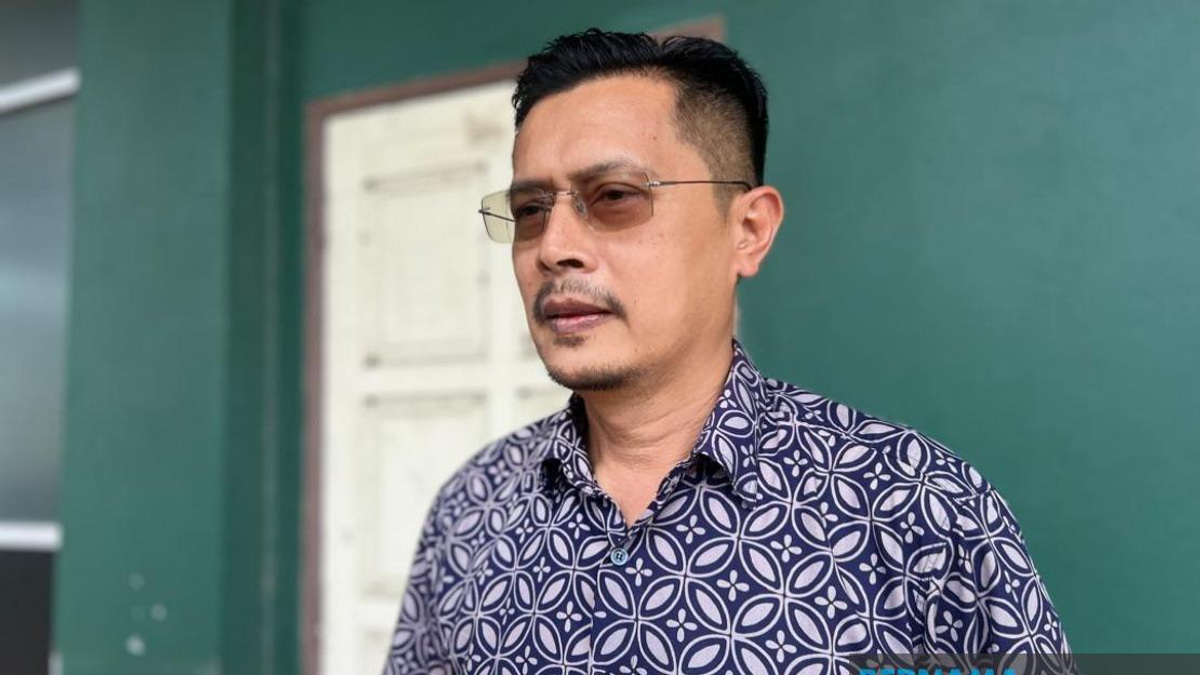
Hamzah Zainudin, the former Parti Pribumi Bersatu Malaysia deputy president and Larut Member of Parliament, attended a gathering of opposition legislators organized by Parti Islam Se-Malaysia in Kuala Lumpur on June 18, an attendance that underscores the fluid nature of Malaysian politics and the shifting alliances that have characterized the country's political scene since the 2022 general election.
The meeting, convened by PAS, brought together members of parliament from opposition benches and reflected the Islamic party's continued engagement with diverse political actors across the spectrum. Hamzah's presence at the event held particular significance given his departure from BERSATU's leadership ranks and his position as a prominent figure representing Larut, one of Malaysia's constituencies that remains closely watched in discussions about political realignment.
The gathering comes at a time when Malaysian opposition politics continues to fragment and reorganize following the results of the 15th general election. The fragmentation has created numerous opportunities for individual politicians to explore alternative political arrangements, and such meetings serve as informal channels through which MPs from different parties and political factions can exchange views and assess potential common ground on policy issues or political strategy.
PAS, as the largest Islamist party in Malaysia's parliament, has positioned itself as a bridge-builder in various political contexts. By hosting such meetings, the party signals its willingness to engage with opposition figures who may not necessarily be formal coalition partners but who share certain policy priorities or political philosophies. This approach has allowed PAS to maintain influence across multiple political circles, a strategy that has served the party well in recent years as Malaysian political coalitions have grown increasingly unstable.
Hamzah's participation carries added weight because of his previous role within BERSATU, one of Malaysia's newer political parties that emerged from the upheaval of 2018-2022 political cycle. His attendance suggests that conversations are occurring among opposition figures regarding future parliamentary strategies, potential cooperation on legislation, or broader discussions about the direction of non-government politics in the current parliament.
For Malaysian observers, such gatherings illuminate the mechanics of parliamentary politics beyond formal coalition arrangements. Opposition benches often develop working relationships on specific issues despite lacking formal alliance structures, and meetings like the one PAS organized provide venues where such relationships can be cultivated and strengthened. These informal networks frequently prove influential in parliamentary votes, committee assignments, and legislative initiatives.
The timing of this meeting also reflects broader trends in Malaysian politics where individual MPs and smaller political groupings exercise considerable leverage. With no opposition bloc commanding an overwhelming parliamentary majority, even modest shifts in support or voting patterns among opposition legislators can influence outcomes on contentious votes, making regular engagement and communication among opposition MPs strategically important.
For regional observers tracking Malaysian political development, the event demonstrates that despite the stabilization of the federal government following the 2022 election, the underlying political situation remains dynamic. Legislators continue to explore different associations and political possibilities, suggesting that future electoral cycles or political crises could quickly reshape existing alignments. The fluid nature of opposition politics, exemplified by Hamzah's attendance at a PAS-hosted event, indicates that Malaysia's political actors remain acutely sensitive to changing circumstances and continue to hedge their options.
Such meetings also provide PAS with valuable intelligence about opposition sentiment and potential areas of cooperation or disagreement. As a party that has benefited from shifting political currents, PAS understands the importance of maintaining relationships across different opposition factions and ideological tendencies. By facilitating dialogue among opposition parliamentarians, PAS enhances its own political positioning while simultaneously offering a service that helps prevent further fragmentation of opposition politics.
The presence of a figure like Hamzah, who brings experience from his time in BERSATU and his standing in his constituency, suggests that meaningful conversations were occurring regarding substantive political matters rather than purely ceremonial exchanges. Such gatherings frequently discuss parliamentary strategy, policy positions on key issues, and assessments of the current government's performance and vulnerabilities.
Looking forward, this meeting and similar gatherings will likely continue as part of Malaysia's parliamentary ecosystem. The opposition's continued lack of coherence and formal coalition structure means that informal mechanisms for building consensus, exchanging information, and coordinating positions will remain essential. For Hamzah specifically, his participation signals ongoing engagement with opposition politics despite his departure from a formal leadership position, indicating that Malaysian politics continues to offer opportunities for politically active individuals to influence developments from various platforms.

%22%2F%3E%3C%2Fpattern%3E%3C%2Fdefs%3E%3Crect%20width%3D%22100%25%22%20height%3D%22100%25%22%20fill%3D%22url(%23ph1xcqog)%22%2F%3E%3Crect%20width%3D%22100%25%22%20height%3D%22100%25%22%20fill%3D%22url(%23ph1xcqop)%22%2F%3E%3Ctext%20x%3D%2250%25%22%20y%3D%2250%25%22%20text-anchor%3D%22middle%22%20dominant-baseline%3D%22central%22%20fill%3D%22rgba(255%2C255%2C255%2C0.95)%22%20font-family%3D%22Georgia%2C%20'Times%20New%20Roman'%2C%20serif%22%20font-weight%3D%22700%22%20font-size%3D%22272%22%20letter-spacing%3D%22-0.02em%22%3EAnwar%3C%2Ftext%3E%3C%2Fsvg%3E)