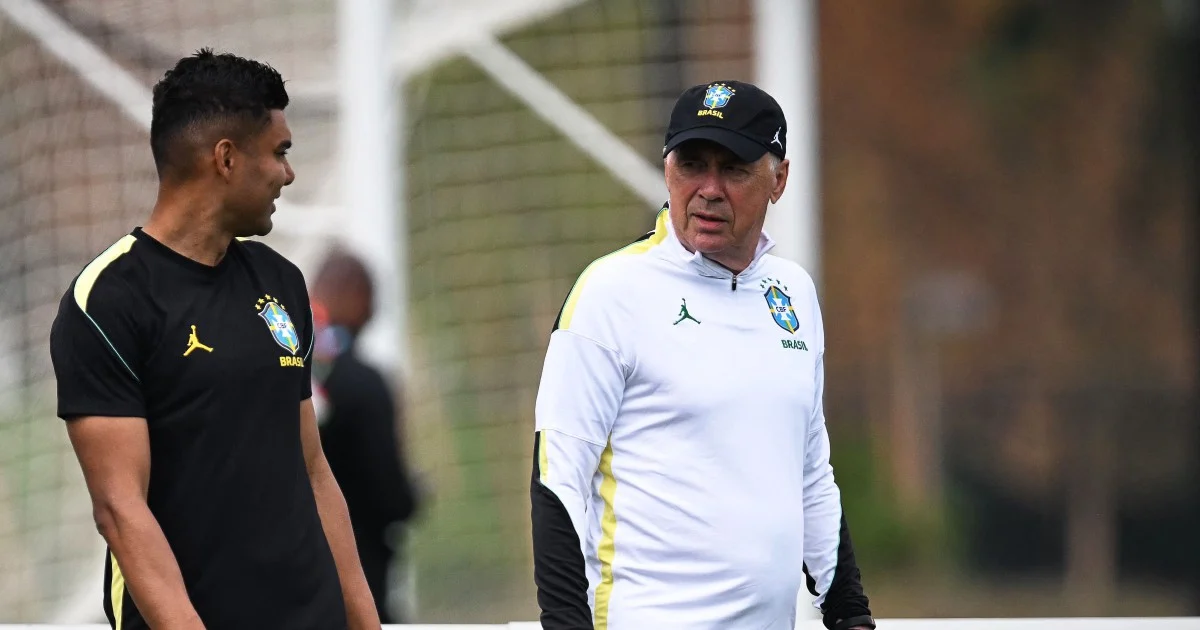
Brazil's World Cup campaign began inauspiciously with a 1-1 draw against Morocco, but coach Carlo Ancelotti is displaying the measured temperament that has defined his managerial career, resisting the urge to overreact to a single unconvincing performance. Rather than succumbing to the pressure cooker environment that often engulfs the Seleção, Ancelotti has framed the upcoming Group C match against Haiti on Friday as precisely the kind of fixture through which teams can identify and correct weaknesses before the tournament intensifies.
The stalemate against Morocco, contested in Philadelphia, exposed several vulnerabilities in Brazil's play that demand immediate attention. Ancelotti's squad struggled to convert dominance into clear-cut opportunities and appeared vulnerable at the back despite their traditional attacking prowess. These are the kinds of issues that, if left unaddressed, can accumulate into more serious problems as opponents grow sharper and the stakes escalate through the group stage and beyond. The manager's calm demeanor, however, suggests confidence that these are correctable technical issues rather than fundamental flaws in preparation or team morale.
For Brazilian football fans accustomed to their nation's rich winning tradition, opening with anything less than victory can feel like a setback. The psychological weight on Brazil's shoulders is considerable; the country has not claimed a World Cup since 2002, a drought that has intensified expectations whenever the tournament approaches. Yet Ancelotti, a man who has managed elite clubs across Europe and won multiple Champions League titles, understands that tournament football is a marathon, not a sprint. The Morocco result, while disappointing, provides diagnostic value at a moment when corrections can still be implemented without catastrophic consequence.
Haiti represents a fundamentally different challenge compared to Morocco's organized defensive approach. The Haitians, competing in the World Cup for only the second time in their history, will likely adopt a more cautious tactical setup focused on damage limitation and opportunistic counterattacking. This stylistic contrast actually creates an ideal platform for Brazil to reassert control and rhythm. Against an opponent that will afford them more possession and time on the ball, Brazil can focus on executing the kind of fluid, creative football that has always defined the nation's best teams.
Ancelotti's refusal to panic reflects not complacency but rather the experience and composure of a manager who has navigated far more fraught situations. His track record suggests he will identify precisely what went wrong against Morocco—whether it was tactical execution, individual concentration, or simply the friction that arises when any team plays together for the first time in a tournament setting—and implement targeted adjustments. This methodical approach, often more effective than wholesale tactical overhauls, should address the specific problems that emerged rather than creating new ones through reactive changes.
From a Southeast Asian perspective, Brazil's journey carries particular interest given the region's growing engagement with global football and the aspirational appeal of the Seleção's style. Malaysian fans in particular have long admired Brazil's attacking philosophy and technical excellence. A Brazil team struggling to find form would disappoint many across the region who have invested emotional energy in their tournament prospects.
The Haiti fixture also presents a chance for individual players to make statements of intent after an unconvincing debut. Competition for places within the Brazilian squad is fierce, and those who did not impress against Morocco will view the next match as an opportunity for redemption. This internal motivation, combined with Ancelotti's measured leadership, should generate sufficient impetus for a significantly improved performance.
Ancelotti's calmness also serves a practical function in managing the intense media scrutiny that surrounds Brazilian football. By projecting confidence and stability rather than alarm, he insulates his players from unnecessary anxiety and allows them to focus purely on football matters. The coach understands that panic is contagious, while composure creates a stabilizing influence that permeates through the entire organization.
Looking ahead, Friday's match against Haiti offers Brazil the chance to reset their World Cup narrative. A convincing victory would restore confidence, confirm that Morocco was merely a temporary stumble, and establish the kind of positive momentum that proves invaluable as tournaments progress. Ancelotti's serene demeanor suggests he believes exactly this outcome is forthcoming, provided his players respond appropriately to the lessons from their opening fixture.
The Brazil coach's approach ultimately reflects a mature understanding that World Cups are rarely won or lost based on single matches, even opening ones. Morocco has played at this level before and knows how to frustrate bigger teams. Haiti, by contrast, offers Brazil the kind of opponent against which lapses in concentration are punished less severely and dominant football translates reliably into goals. If Ancelotti's tactical corrections prove sound and his players execute with focus, Friday should provide the kind of victory that dispels the opening-match concerns and restores belief heading into the decisive stages of Group C.

%22%2F%3E%3C%2Fpattern%3E%3C%2Fdefs%3E%3Crect%20width%3D%22100%25%22%20height%3D%22100%25%22%20fill%3D%22url(%23ph1xcqog)%22%2F%3E%3Crect%20width%3D%22100%25%22%20height%3D%22100%25%22%20fill%3D%22url(%23ph1xcqop)%22%2F%3E%3Ctext%20x%3D%2250%25%22%20y%3D%2250%25%22%20text-anchor%3D%22middle%22%20dominant-baseline%3D%22central%22%20fill%3D%22rgba(255%2C255%2C255%2C0.95)%22%20font-family%3D%22Georgia%2C%20'Times%20New%20Roman'%2C%20serif%22%20font-weight%3D%22700%22%20font-size%3D%22272%22%20letter-spacing%3D%22-0.02em%22%3EAnwar%3C%2Ftext%3E%3C%2Fsvg%3E)