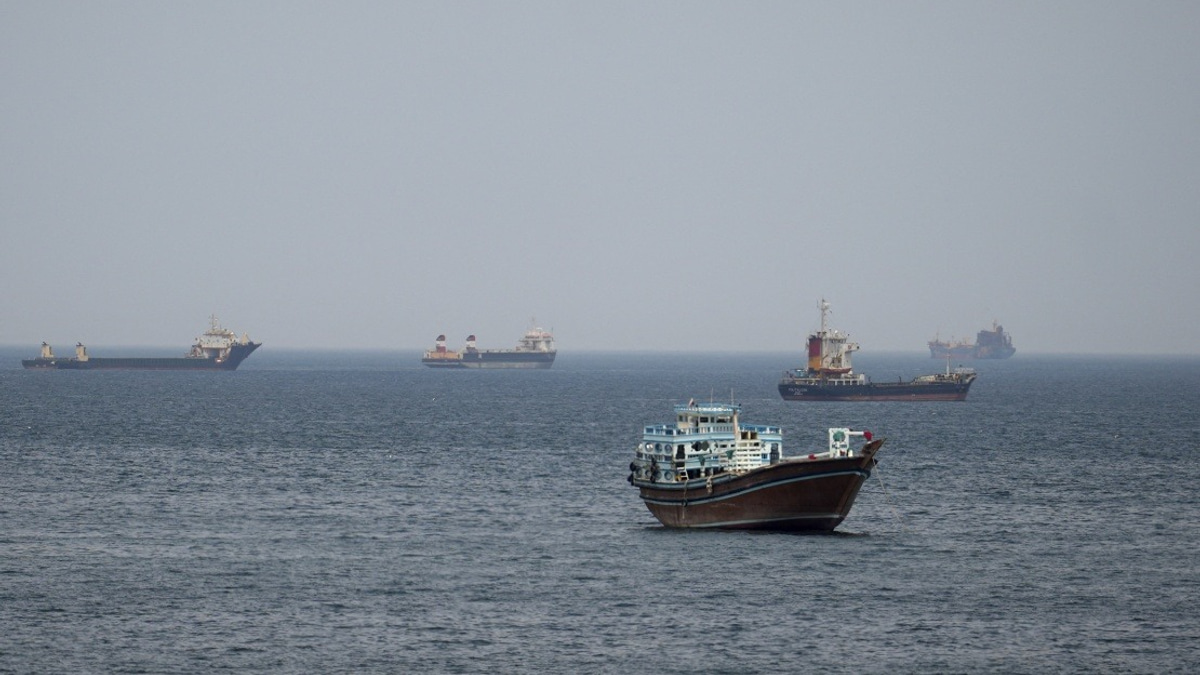
The Royal Malaysian Air Force (RMAF) faces a critical capacity shortfall in maintaining effective surveillance over the nation's Exclusive Economic Zone (EEZ), according to senior military leadership. The service's existing fleet and monitoring systems have grown inadequate for the scale of coverage required, particularly given the increasingly complex security environment unfolding across Southeast Asian waters. This assessment comes at a time when maritime domain awareness has become central to national security strategy across the region.
The South China Sea remains a focal point of geopolitical competition, with multiple claimants to disputed territories and waters. Malaysia's position as a coastal state with substantial maritime interests makes comprehensive monitoring not merely an operational preference but a strategic necessity. The RMAF's constraints in surveillance capacity create blind spots that could complicate efforts to assert maritime rights, respond swiftly to security incidents, or coordinate with regional partners on shared challenges.
The EEZ represents significant economic and strategic value for Malaysia, encompassing vast areas rich in fish stocks, potential hydrocarbon deposits, and shipping lanes vital to regional commerce. Effective monitoring requires persistent coverage across distances that current asset inventories struggle to maintain continuously. The gap between aspiration and capability has widened as neighbouring countries have progressively expanded their own maritime presence and monitoring apparatus, altering the regional balance of surveillance and control.
Aircraft availability remains a fundamental constraint. The RMAF operates a limited number of platforms suitable for extended maritime patrols, and operational demands across the entire country mean assets intended for EEZ surveillance are frequently diverted to other tasks. Ageing equipment compounds these challenges, as older aircraft require more maintenance downtime and offer reduced endurance compared to modern alternatives. Meanwhile, the service faces competing demands for resources across multiple operational domains, limiting funds available for maritime-specific acquisitions.
Technological limitations compound asset shortages. Modern maritime surveillance increasingly depends on integrated sensor networks, real-time data processing, and rapid information-sharing systems. Many RMAF capabilities predate the digital era of coordinated maritime operations, leaving the service unable to generate the seamless awareness picture that contemporary security environments demand. Integration with civilian maritime authorities and regional partners remains possible but imperfect without standardized equipment and compatible systems.
Regional dynamics have intensified scrutiny of maritime boundaries and activities. China's expanding naval presence, disputed claims in the South China Sea, and increased commercial maritime traffic create conditions requiring vigilance across multiple dimensions simultaneously. Malaysia must monitor not only potential security threats but also illegal fishing, environmental violations, and smuggling—missions that stretch thin resources further. The convergence of these challenges means that partial capability no longer suffices.
Neighbouring countries have invested substantially in maritime surveillance assets in recent years. Vietnam, Indonesia, and other regional actors have modernized their fleets and sensor networks, shifting the relative balance of capability. For Malaysia to maintain credible presence and protect its interests, comparable investment has become unavoidable. Falling behind in maritime awareness capacity carries implications beyond military balance, affecting economic security and the nation's influence in regional forums addressing maritime governance.
The air force's request reflects broader Southeast Asian trends toward maritime capability enhancement. Thailand has expanded its naval air assets, the Philippines has acquired new surveillance systems, and Singapore maintains advanced monitoring infrastructure. This regional arms dynamic, while not necessarily confrontational, means Malaysia's own capacity requirements have risen simply to maintain equivalent levels of domain awareness relative to neighbours.
Financial constraints remain the primary obstacle to rapid expansion. Acquiring modern maritime patrol aircraft, establishing additional air bases with surveillance infrastructure, and developing integrated command systems require sustained investment commitments that compete with other national priorities. The RMAF must weigh its maritime monitoring aspirations against personnel needs, ground defence capabilities, and training requirements. This budgetary reality means any expansion will occur incrementally rather than dramatically.
International partnerships and shared surveillance arrangements offer partial solutions. Coordinating with allied nations and participating in regional maritime information-sharing initiatives can amplify effective coverage beyond what indigenous assets alone provide. However, reliance on external monitoring creates dependencies that smaller nations find uncomfortable, particularly regarding sensitive maritime claims or activities affecting sovereignty perceptions. Malaysia requires sufficient autonomous capability to project an image of independent maritime authority.
The timing of the RMAF's assessment carries political weight within regional security discussions. As China's maritime activities and regional influence continue expanding, Malaysia and other Southeast Asian states face pressure to demonstrate credible surveillance and response capabilities. Inadequate assets invite questions about effective sovereignty exercise and may constrain the nation's ability to participate as an equal partner in regional maritime security dialogues.
Moving forward, the RMAF likely will pursue a mixed strategy combining modest new acquisitions, extended service lives for existing equipment, and enhanced integration with civilian maritime authorities. Personnel training and development of operational procedures suited to constrained resources may improve effectiveness without proportional cost increases. Nevertheless, military leaders clearly believe that meaningful improvements in maritime monitoring will require budgetary decisions elevating this priority within overall defence spending.
%22%2F%3E%3C%2Fpattern%3E%3C%2Fdefs%3E%3Crect%20width%3D%22100%25%22%20height%3D%22100%25%22%20fill%3D%22url(%23ph2e4zzg)%22%2F%3E%3Crect%20width%3D%22100%25%22%20height%3D%22100%25%22%20fill%3D%22url(%23ph2e4zzp)%22%2F%3E%3Ctext%20x%3D%2250%25%22%20y%3D%2250%25%22%20text-anchor%3D%22middle%22%20dominant-baseline%3D%22central%22%20fill%3D%22rgba(255%2C255%2C255%2C0.95)%22%20font-family%3D%22Georgia%2C%20'Times%20New%20Roman'%2C%20serif%22%20font-weight%3D%22700%22%20font-size%3D%22226%22%20letter-spacing%3D%22-0.02em%22%3EHamzah%3C%2Ftext%3E%3C%2Fsvg%3E)