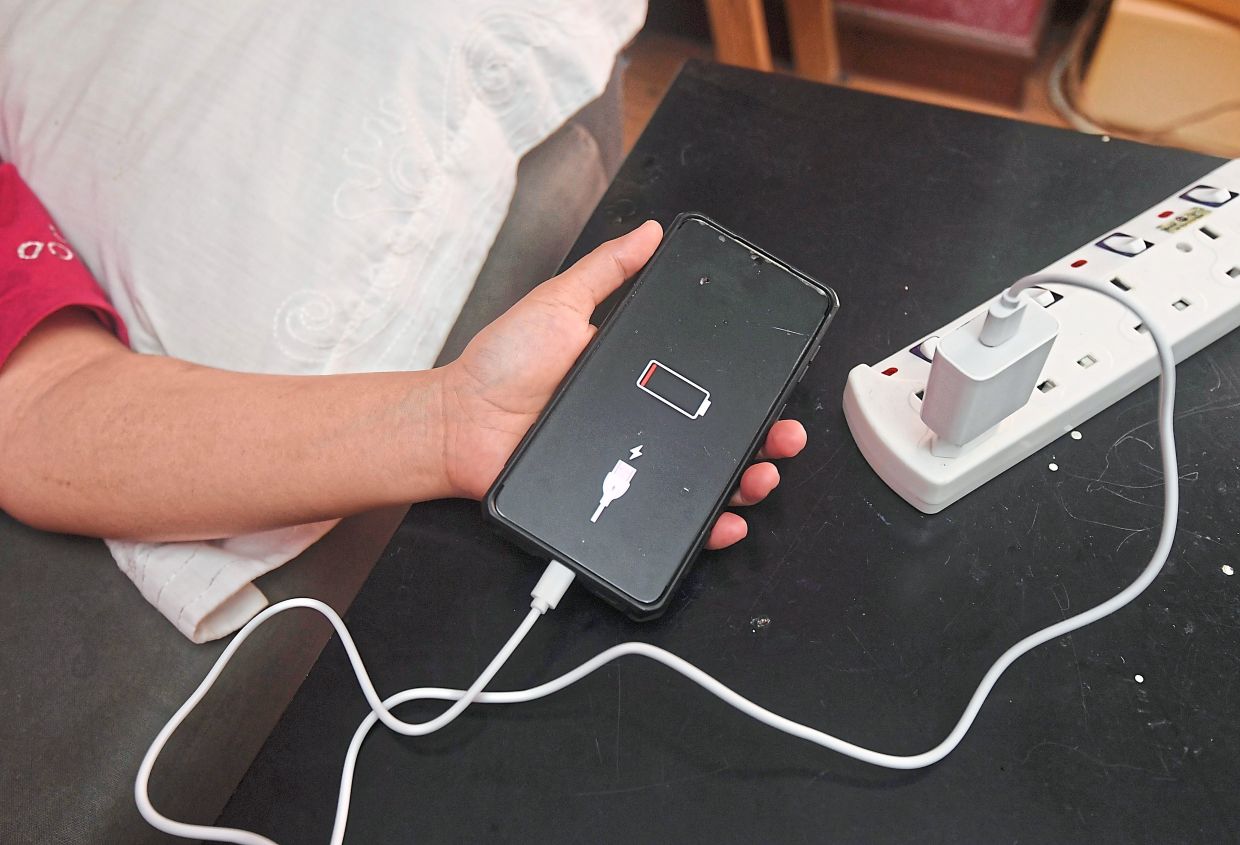
Malaysia's fire service has sounded a stark warning about the mounting dangers of unsafe device charging practices, revealing that the country has suffered RM14.2 million in property losses across 59 documented fire incidents over the past three years. The data, compiled by the Department of Fire and Rescue Malaysia (JBPM), underscores a persistent problem affecting households nationwide as consumer reliance on electronic devices continues to surge throughout the region.
The geographic distribution of these losses paints a troubling picture, with Sarawak emerging as the most severely affected state. The East Malaysian state accounts for approximately RM9,707,956 in damages from just 11 incidents, nearly 68 percent of the national total. This disproportionate concentration suggests that awareness campaigns may be less effective in reaching remote areas or that specific regional factors contribute to higher fire risks. Kelantan follows as the second-hardest hit state with RM1,147,400 in losses across 17 cases, while Sabah recorded RM806,800 from three separate incidents. The remaining affected states—Selangor, Penang, Johor, Putrajaya, Melaka, Terengganu and Perak—show progressively lower loss figures, ranging from RM661,040 down to RM95,750.
Remarkably, six states recorded no device-charging-related fire incidents during this three-year period, and most significantly, no fatalities were reported across any of the affected regions. Kedah, Negri Sembilan, Pahang, Perlis, Kuala Lumpur and Labuan remain untouched by such fires, though this absence may reflect either better public adherence to safety standards, lower population density in some cases, or potentially incomplete reporting mechanisms in certain jurisdictions.
The fire department has emphasized that evaluating these incidents requires far more than simply tallying financial losses. Each case presents distinct investigative challenges shaped by the specific circumstances surrounding it. The complexity of determining the root cause depends heavily on variables including the fire's precise location within a structure, the particular device model involved, the condition of physical evidence after the blaze, environmental hazards that investigators must navigate, and the technical expertise required to analyse burn patterns and component failure.
Investigators have found that the most technically demanding cases are not necessarily those with the largest financial impact or most dramatic fires, but rather those requiring extensive forensic analysis and meticulous reconstruction of events. A seemingly modest incident might demand weeks of laboratory work, consultation with device manufacturers, and detailed examination of electrical components that have been compromised by extreme heat. This reality illustrates why resource allocation in fire investigation cannot be based solely on economic losses.
JBPM's investigation has identified a consistent pattern of dangerous charging behaviours across the country. The most prevalent unsafe practice involves leaving devices unattended while charging throughout the night—a habit born of convenience but fraught with risk. Many households rely on counterfeit or uncertified charging accessories, often purchased because they cost significantly less than authentic products. Equally concerning is the widespread practice of charging devices atop soft furnishings such as mattresses, pillows, sofas and blankets, which readily ignite if a thermal runaway or electrical fault occurs. The department has also documented numerous cases where individuals overload power strips beyond their rated capacity and continue using devices with visible warning signs of failure, including swollen batteries, excessive heat generation, burning odours, and visibly damaged charging cables.
The underlying cause of this risky behaviour reveals a troubling disconnect between safety and consumer economics. Many users consciously choose cheaper chargers and electrical accessories over certified products meeting established safety standards, viewing the price differential as acceptable savings. This calculation ignores the potential consequences: substandard equipment often lacks proper thermal management, lacks adequate circuit protection, and uses inferior materials prone to degradation. The result is a cascade of potential failures—overheating components, short circuits, and ultimately uncontrolled fire initiation.
Public awareness remains the fire department's stated priority, yet messaging has evidently failed to reach a critical mass of the population. The persistence of unsafe practices despite years of fire safety campaigns suggests that educational efforts must be substantially redesigned and intensified. Many Malaysians and other Southeast Asian consumers remain inadequately informed about the genuine risks they face through daily charging habits, particularly regarding the cumulative danger posed by overnight charging combined with substandard equipment and unsuitable charging locations.
To address this challenge, JBPM has reinforced guidance on safe charging protocols. Users should avoid placing devices on soft surfaces during charging, promptly replace any damaged electrical infrastructure including sockets, cables and adaptors, and exclusively use charging equipment bearing SIRIM certification—Malaysia's national standards mark—alongside other recognized international safety approvals. These measures represent minimum baseline protections rather than optional enhancements.
Looking forward, the fire department has committed to expanding its prevention strategy beyond reactive investigations toward proactive public education. This includes sustained fire safety awareness initiatives targeted at vulnerable populations, strategic partnerships with electrical retailers and device manufacturers, and coordination with regulatory agencies responsible for market surveillance. For Malaysian households and broader Southeast Asian consumers, the message is unambiguous: the modest cost savings from purchasing uncertified chargers and the convenience of overnight charging are vastly outweighed by the substantial financial and safety risks these practices introduce.


%22%2F%3E%3C%2Fpattern%3E%3C%2Fdefs%3E%3Crect%20width%3D%22100%25%22%20height%3D%22100%25%22%20fill%3D%22url(%23ph40buhg)%22%2F%3E%3Crect%20width%3D%22100%25%22%20height%3D%22100%25%22%20fill%3D%22url(%23ph40buhp)%22%2F%3E%3Ctext%20x%3D%2250%25%22%20y%3D%2250%25%22%20text-anchor%3D%22middle%22%20dominant-baseline%3D%22central%22%20fill%3D%22rgba(255%2C255%2C255%2C0.95)%22%20font-family%3D%22Georgia%2C%20'Times%20New%20Roman'%2C%20serif%22%20font-weight%3D%22700%22%20font-size%3D%22320%22%20letter-spacing%3D%22-0.02em%22%3EGRS%3C%2Ftext%3E%3C%2Fsvg%3E)