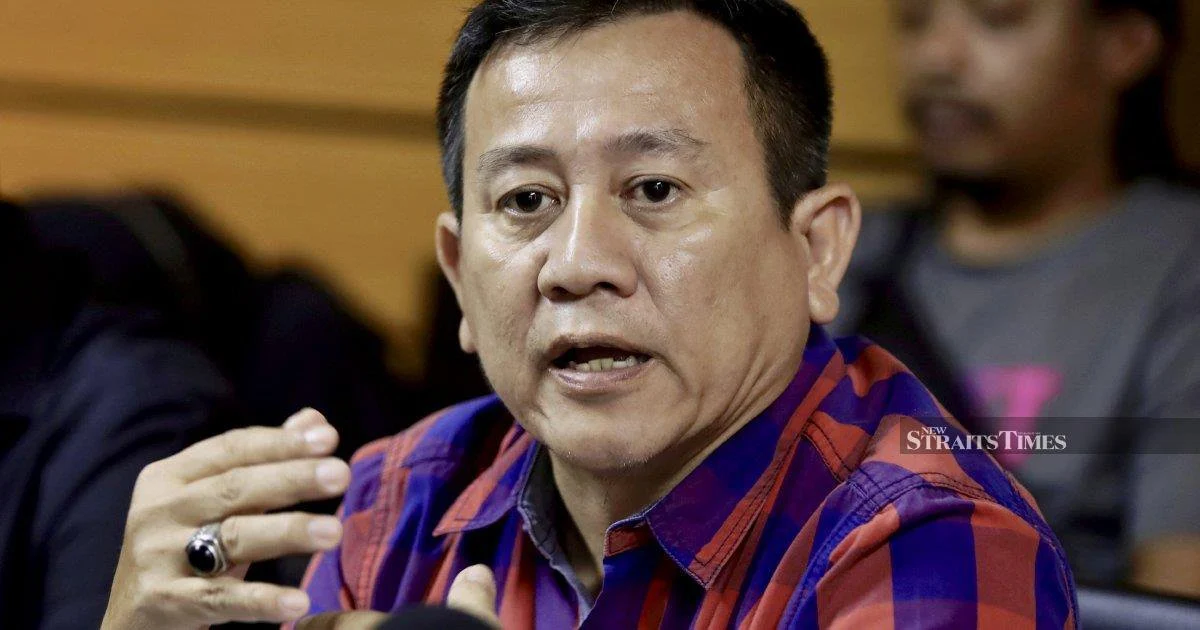
Datuk Tun Faisal Ismail Aziz, the information chief of Bersatu, has sounded an alarm over what he characterizes as PAS' increasingly assertive control within the Perikatan Nasional coalition, attributing recent structural adjustments at the alliance level to the Islamic party's wider strategy of cementing its position.
The warnings from Bersatu's communications strategist underscore growing tensions within Malaysia's main opposition alliance, which has served as the primary challenger to the government since the 2022 general elections. The coalition, comprising PAS, Bersatu, and smaller partners, has maintained parliamentary representation sufficient to form an alternative government, yet internal friction over power distribution threatens its coherence and electoral viability.
Concerns about PAS' expanding dominance within Perikatan Nasional reflect broader anxieties among coalition partners about decision-making autonomy and resource allocation. Bersatu, which entered into the alliance following its separation from the Pakatan Harapan government in 2020, has positioned itself as a counterweight to PAS' religious conservatism. The party's leadership, closely associated with former Prime Minister Mahathir Mohamad, has promoted a more centrist nationalist narrative, creating ideological distance from PAS' Islamist orientation.
The structural changes within the coalition appear to have concentrated greater authority in PAS' hands, a development that threatens to diminish Bersatu's voice in policy deliberation and strategic planning. For Malaysian readers, this internal wrangling carries significant implications, as any fracturing of Perikatan Nasional would reshape the country's political landscape and potentially influence parliamentary dynamics that currently constrain government initiatives.
The timing of Tun Faisal's public criticism is particularly noteworthy, coming amid speculation about potential realignments in Malaysian politics. Rather than quietly accommodating PAS' organizational moves, Bersatu has chosen to voice its grievances openly, signalling that patience within the coalition is wearing thin. This transparency may reflect growing confidence within Bersatu that it possesses sufficient parliamentary leverage to negotiate from a position of strength, or alternatively, frustration that behind-the-scenes negotiations have proven unproductive.
PAS' ascendency within Perikatan Nasional coincides with its strengthened electoral position, particularly following improvements in east Malaysian constituencies and sustained support in its traditional strongholds in the Peninsula. The party's organizational machinery and grassroots network remain unmatched by Bersatu, which has struggled to maintain internal cohesion following defections and leadership controversies. This disparity in organizational capacity naturally translates into greater political weight within shared institutions.
From a Southeast Asian perspective, Malaysia's coalition dynamics warrant close observation. Political systems throughout the region increasingly feature multi-party coalitions navigating tensions between ideological compatibility and power-sharing arrangements. The Perikatan Nasional experience illustrates how nationalist and religious conservative parties can ally tactically while maintaining fundamental disagreements about governance priorities and national direction.
Bersatu's concerns about PAS dominance likely extend to substantive policy matters, not merely organizational hierarchy. The two parties maintain divergent approaches to religious governance, secular law, educational curriculum, and Malaysia's role in regional institutions. Allowing one partner excessive control over coalition direction risks subordinating minority viewpoints to the majority perspective, thereby creating either internal instability or pressure for coalition partners to seek alternative political arrangements.
The public airing of these grievances suggests that informal mechanisms for mediating inter-coalition disputes have proven insufficient. Typically, political coalitions maintain confidential forums for addressing disagreements and negotiating compromises without triggering media coverage that undermines public confidence. That Bersatu has moved to the public domain indicates that leadership figures may have concluded that informal pressure has failed and that external accountability through public opinion constitutes a necessary escalation.
Malaysian observers should recognize that such tensions, while concerning for coalition stability, remain relatively mild compared to outright partner defections or coalition collapse. However, Tun Faisal's statements create a baseline of documented concern that could justify future Bersatu actions—whether seeking additional coalition positions, demanding greater consultation on major decisions, or signalling openness to alternative political partnerships should PAS prove intransigent.
Looking forward, the trajectory of Perikatan Nasional hinges substantially on PAS' willingness to accommodate partner sensitivities and distribute power and resources equitably among coalition members. Excessive centralization of authority typically provokes resentment, particularly among parties that entered the alliance as rough equals. Conversely, Bersatu must demonstrate sufficient organizational strength and electoral appeal to warrant equal consideration rather than deferential subordination.
The broader Malaysian electorate watches these developments with interest, as public perception of coalition dysfunction can influence voting behaviour and parliamentary calculations. Whether Perikatan Nasional successfully manages internal tensions while maintaining its oppositional effectiveness will substantially determine Malaysia's political direction in coming years, making Tun Faisal's warnings not merely intra-party communication but signals carrying genuine national significance.
%22%2F%3E%3C%2Fpattern%3E%3C%2Fdefs%3E%3Crect%20width%3D%22100%25%22%20height%3D%22100%25%22%20fill%3D%22url(%23ph2e4zzg)%22%2F%3E%3Crect%20width%3D%22100%25%22%20height%3D%22100%25%22%20fill%3D%22url(%23ph2e4zzp)%22%2F%3E%3Ctext%20x%3D%2250%25%22%20y%3D%2250%25%22%20text-anchor%3D%22middle%22%20dominant-baseline%3D%22central%22%20fill%3D%22rgba(255%2C255%2C255%2C0.95)%22%20font-family%3D%22Georgia%2C%20'Times%20New%20Roman'%2C%20serif%22%20font-weight%3D%22700%22%20font-size%3D%22226%22%20letter-spacing%3D%22-0.02em%22%3EHamzah%3C%2Ftext%3E%3C%2Fsvg%3E)