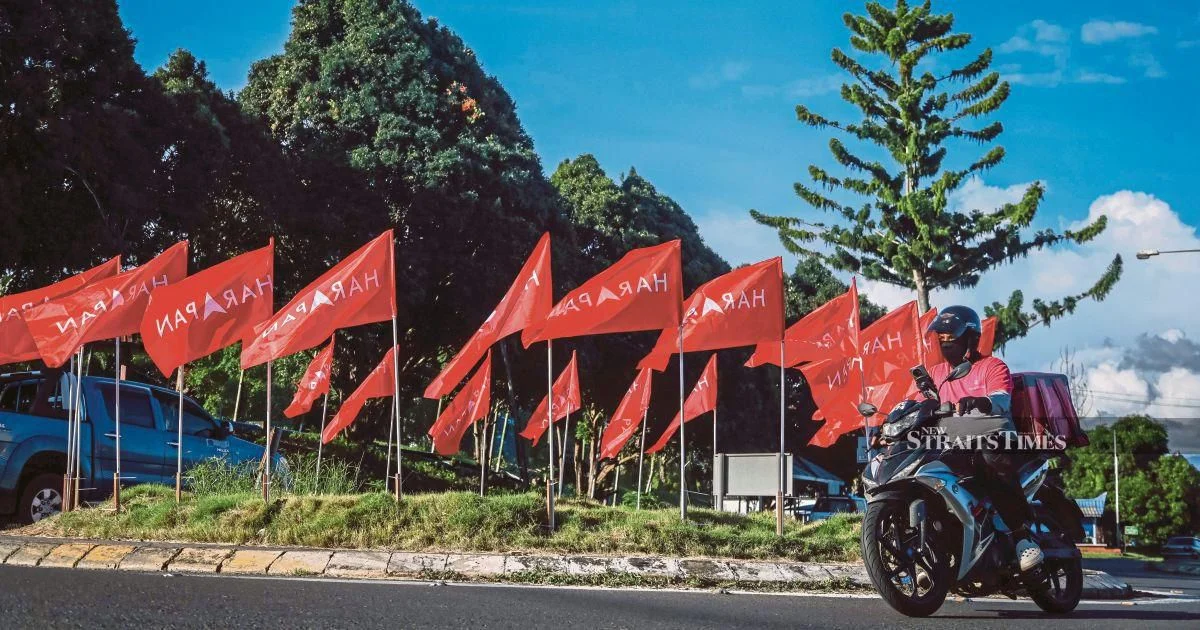
Pakatan Harapan has made clear it will not capitulate to mounting pressure to prematurely unveil its choice for menteri besar in the forthcoming 16th Johor state election, signalling the coalition intends to maintain control over the timing and narrative of its leadership announcement. Senior figures within the opposition bloc have indicated that rival parties attempting to force the coalition's hand on candidate selection will not succeed in shaping the coalition's strategic decisions.
The statement underscores an increasingly common pattern in Malaysian politics, where opposition coalitions face sustained attempts from competing camps to dictate the terms of major political announcements. By resisting such pressure, Pakatan Harapan aims to preserve its autonomy in making critical selections that could significantly influence the electoral contest in one of Malaysia's most politically significant states. The coalition's stance reflects a determination to avoid reactive decision-making that might otherwise undermine its broader strategic positioning.
Johor remains a crucial electoral battleground for Pakatan Harapan's ambitions at both state and federal levels. Successive elections in the state have demonstrated the volatility of voter sentiment and the premium placed on strong, credible leadership at the state level. The composition of the coalition's candidate slate and the profile of its chief ministerial aspirant will carry substantial weight in determining whether the opposition can consolidate support among key demographic groups and geographic constituencies across the state.
The coalition's measured approach suggests it is conducting a careful evaluation process to identify the most viable candidate capable of withstanding scrutiny from opposing camps while commanding sufficient trust among Johor's electorate. Such deliberation typically involves assessing not merely individual credentials and track records, but also broader considerations of regional balance, demographic appeal, and alignment with the coalition's policy positioning. Rushing such a determination could invite criticism regarding the robustness of the selection methodology.
Opposition to Pakatan Harapan's leadership in Johor has intensified competition among various factions seeking to either capture state power or position themselves advantageously for negotiations in the event of a coalition victory. By maintaining its own timeline for candidate announcements, the coalition signals that it will not be manipulated by competitors attempting to exploit timing dynamics to generate damaging publicity or create internal friction. This tactical discipline reflects lessons learned from previous electoral contests where premature announcements created unforeseen complications.
The political environment in Johor has grown increasingly crowded, with multiple parties and coalitions competing for voter allegiance. The stakes associated with the menteri besar position extend beyond state governance; they carry implications for the distribution of resources, influence, and negotiating power within any future coalition government at the federal level. This explains why rival camps are eager to force Pakatan Harapan into declaring its hand before the coalition has optimised its selection process.
Pakatan Harapan's resistance to external pressure also reflects confidence in its broader platform and organisational capacity. By declining to be rushed, the coalition demonstrates that it views the electoral contest not as a defensive scramble but as an opportunity to advance its vision for the state on substantive grounds. This messaging is critical for maintaining morale among the coalition's component parties, which must present a unified front despite inevitable internal disagreements over candidate selection.
The timing of candidate announcements carries psychological dimensions that political strategists carefully manage. Announcing too early risks allowing opponents months to define the candidate through critical messaging, while announcing too late forfeits the advantage of shaping initial public impressions. Pakatan Harapan's evident intention to control this timing suggests it is seeking an optimal window that balances these competing considerations while providing sufficient time for campaign mobilisation.
Malaysian voters in Johor, like their counterparts across the federation, have demonstrated increasing sophistication in evaluating leadership credentials and policy platforms rather than accepting candidate selections passively. This electoral reality reinforces the importance of presenting a candidate who can withstand detailed scrutiny and articulate a coherent vision for state governance. The coalition's unhurried approach reflects awareness that hasty selections undertaken merely to satisfy rivals' agendas could ultimately undermine rather than strengthen electoral performance.
As the coalition deliberates its course, observers expect Pakatan Harapan to maintain its public messaging regarding candidate selection while conducting detailed internal consultations among its constituent parties. The balance between projecting confidence and allowing adequate time for internal consensus-building will likely determine how effectively the coalition leverages its candidate announcement when it finally occurs. For now, the coalition's firmness in resisting external pressure provides a useful signal regarding its determination to compete on its own terms in what promises to be a fiercely contested election.