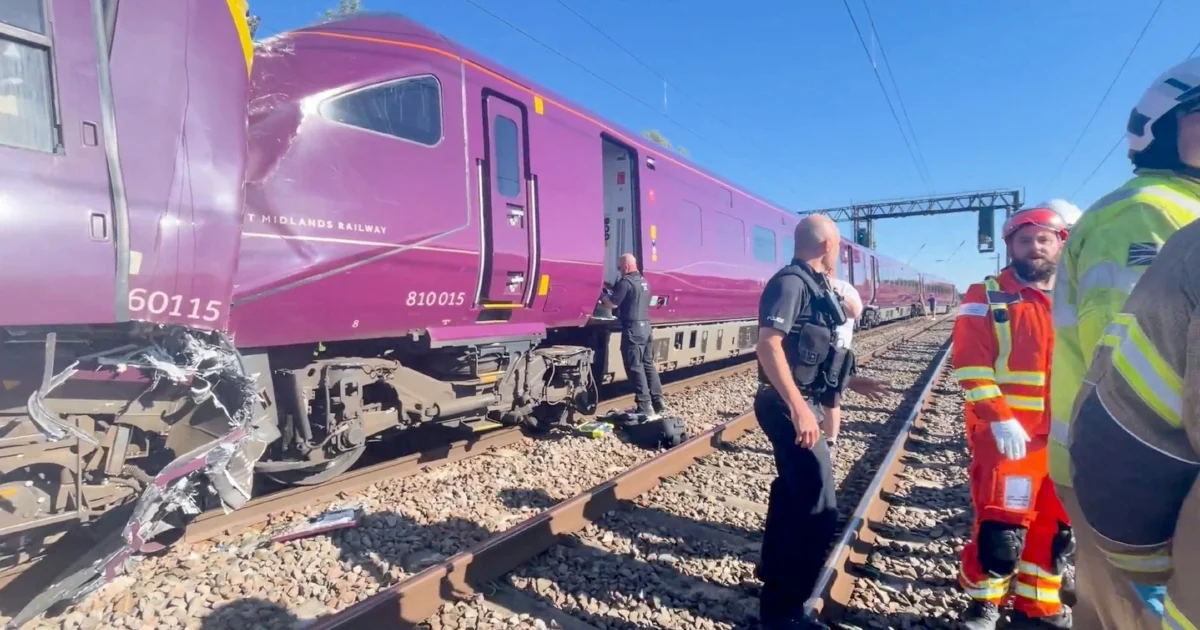
A serious railway accident north of London on Friday has resulted in at least one fatality and left dozens injured, with emergency responders describing the incident as a major transportation disaster that could have far greater consequences. The collision between two passenger trains has triggered one of Britain's most significant railway emergencies in recent years, with authorities still working to establish the precise circumstances that led to the impact.
British emergency services mobilised immediately following the crash, dispatching numerous ambulances, fire crews, and rescue personnel to the site. The scale of the response reflects the severity of injuries sustained, particularly among 11 passengers described as in very serious condition. These individuals required immediate specialist medical intervention, and several were transported to major trauma centres for emergency treatment. First responders operated under challenging conditions as they worked to extract passengers from the damaged carriages and provide critical emergency care at the scene.
The two trains involved in the collision carried substantial numbers of passengers, making the relatively contained casualty toll somewhat fortunate given the destructive force of a train-to-train impact at speed. Multiple passengers sustained injuries ranging from minor to life-threatening, and authorities established a clear triage system to prioritise those requiring urgent medical attention. The psychological impact on surviving passengers was also significant, with many witnesses reporting shock and distress following the collision.
For Malaysian readers, rail safety represents a critical infrastructure concern in any developed nation, particularly as public transport systems carry millions of passengers daily. The UK railway network, one of the world's oldest, has extensive safety protocols developed over decades of operation, yet accidents still occur. This incident underscores that even sophisticated transportation systems with advanced safety systems can experience catastrophic failures, whether through mechanical malfunction, human error, or a combination of factors.
The investigation into the precise cause of the collision will likely take weeks or months, with accident investigators from the relevant UK authorities examining the wreckage, reviewing electronic data records from both trains, and interviewing crew members and witnesses. Such investigations typically consider factors including signal systems, train speeds at the moment of impact, maintenance records, and weather conditions. The findings could lead to safety recommendations affecting railway operations across the United Kingdom.
Geographically, incidents occurring near major urban centres like London carry particular significance because these areas typically experience higher traffic volumes and more frequent services. The disruption to rail services following such an accident can affect hundreds of thousands of commuters and travellers relying on the network for essential journeys. Authorities would need to establish alternative transport arrangements and manage the recovery of rail operations once the scene has been cleared and infrastructure damage assessed.
From a regional Southeast Asian perspective, the UK railway accident provides relevant lessons for nations developing or upgrading their own rail infrastructure. Countries like Malaysia, which has invested significantly in expanding rail networks including the MRT, LRT, and KTM services, must continuously review safety protocols and maintenance standards. Modern rail systems typically incorporate multiple layers of safety mechanisms including automatic train protection systems, signalling infrastructure, and regular maintenance schedules designed to prevent such collisions.
The human toll of such transport accidents extends beyond immediate injuries. Families of those affected face trauma and uncertainty during the investigation period. Support services must extend to not only survivors but also emergency responders who handle the aftermath of such incidents, which can result in significant psychological stress. The wider travelling public also experiences reduced confidence in the affected transport mode during the period following a major accident.
Transport safety authorities worldwide monitor serious incidents to identify trends or emerging risks. A collision of this magnitude in a developed nation with sophisticated rail infrastructure raises questions about whether existing safety systems functioned as intended or whether operational or maintenance failures allowed the accident to occur. The findings from this investigation will likely be shared through international rail safety forums and could influence safety protocols beyond the UK.
Passengers and the broader public typically demand comprehensive transparency following major transport accidents. Authorities must balance the ongoing investigation with public communication about what occurred and what measures are being taken to prevent recurrence. Media coverage of such incidents often drives policy discussions around funding for infrastructure upgrades, staff training programmes, and technological improvements to safety systems.
The immediate priority following such an accident focuses on treating the injured, supporting affected passengers, and securing the accident site. However, the longer-term implications involve systemic review of railway operations, potential regulatory changes, and public confidence in rail transport. For regions like Malaysia developing modern rail infrastructure, studying international railway accidents and the subsequent safety improvements provides valuable insights into best practices and emerging risks that must be anticipated and prevented.