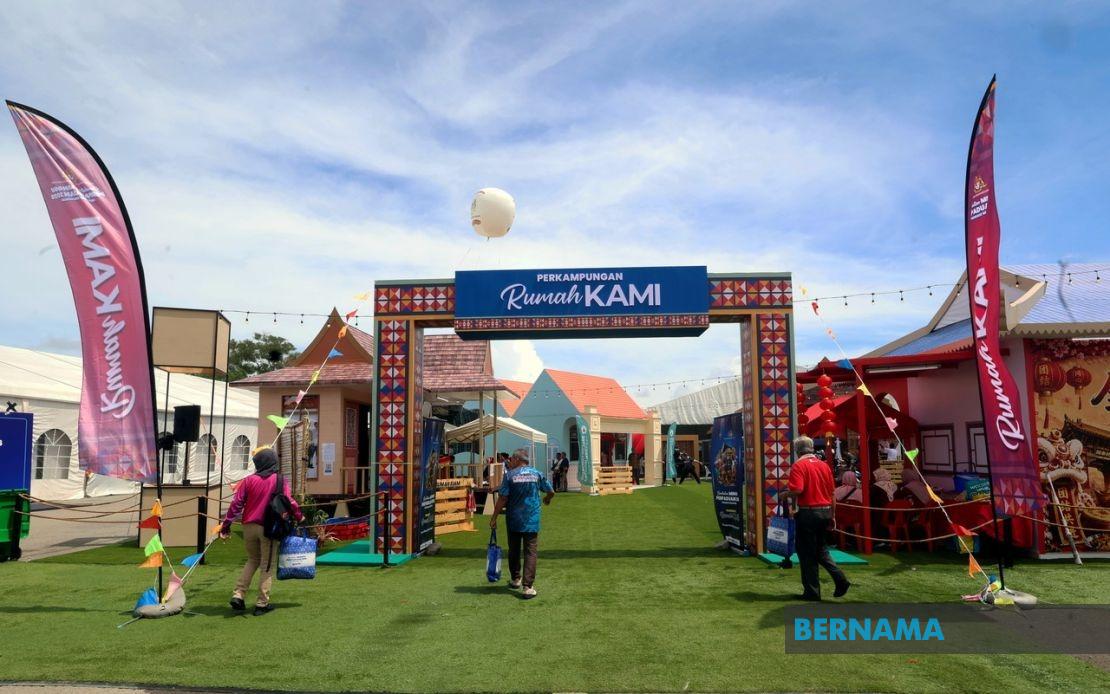
The National Unity Week 2026 celebration held in Kota Kinabalu from June 11 to 14 has shattered previous attendance records, welcoming 284,448 visitors during the four-day event. This unprecedented turnout marks the strongest public response since the national programme was established in 2023, demonstrating a palpable shift in how Malaysians engage with initiatives promoting national cohesion and cultural appreciation.
National Unity Minister Datuk Aaron Ago Dagang attributed the remarkable attendance to growing recognition among Malaysians of the nation's rich cultural tapestry and the critical role it plays in strengthening national bonds. The minister's statement underscores an important recognition at the governmental level that diversity, far from fragmenting the nation, serves as a foundational pillar for societal resilience. This messaging aligns with the contemporary discourse on nation-building, which increasingly emphasises inclusion and mutual respect as essential components of a stable, thriving state.
The Ministry of National Unity's decision to continue hosting the event annually reflects confidence in the programme's effectiveness as a unifying platform. By establishing National Unity Week as a recurring national fixture, the ministry signals a long-term commitment to creating regular touchpoints where Malaysians from different ethnic, religious, and regional backgrounds can meaningfully interact and share their heritage. This institutionalisation of the event suggests a strategic pivot toward embedding unity-building activities into the national calendar, rather than treating them as ad hoc initiatives.
Three particular attractions captured the imagination of visitors and demonstrated the public appetite for interactive, immersive cultural experiences. The Ethnic Village, which presented authentic glimpses into the daily rhythms of Malaysia's principal communities, proved especially popular, allowing visitors to move beyond abstract cultural knowledge and witness lived traditions firsthand. This hands-on approach appears to have resonated more deeply than conventional exhibitions, suggesting that Malaysians value experiential learning when it comes to understanding their fellow citizens' ways of life.
Equally compelling was the Ethnic Houses pavilion, which elevated the focus to the architectural and material heritage of smaller and historically understated communities including the Bajau, Melanau, Banjar, Kedayan, and Portuguese populations. By dedicating exhibition space to these communities alongside Malaysia's larger ethnic groups, the event promoted a more expansive and inclusive understanding of national identity. For many visitors, particularly those from urban centres where exposure to such heritage might be limited, this exhibition likely provided invaluable insight into the human and cultural dimensions of Malaysia's pluralistic makeup.
The Negara Bangsa and Raja Kita Exhibition demonstrated particular appeal among younger visitors, indicating that youth engagement remains a crucial consideration in nation-building efforts. By successfully capturing young people's curiosity about Malaysian history, the exhibition suggests that when presented accessibly and engagingly, historical narratives can inspire genuine interest and emotional connection to national identity. This demographic focus is strategically important, as younger Malaysians will inherit the responsibility of maintaining and perpetuating national unity in coming decades.
Datuk Aaron's emphasis that unity cannot emerge from isolated programmes, but instead demands sustained commitment transmissible across generations, reflects a mature understanding of nation-building's temporal and relational dimensions. This perspective challenges the commonly held assumption that attendance at cultural events automatically translates into lasting social change. Instead, the ministry acknowledges that meaningful integration requires ongoing effort, repeated interactions, and structural support embedded within institutions and communities over extended timeframes.
The ministry's commitment to creating additional platforms and opportunities for inter-community interaction suggests recognition that passive exposure, while valuable, must be complemented by active engagement and dialogue. This multipronged approach potentially encompasses not only large-scale events like National Unity Week but also community-level initiatives, educational programmes, and workplace integration efforts. Such comprehensive strategies address the reality that unity flourishes when people develop genuine relationships and mutual understanding, not merely when they encounter cultural performances or exhibitions.
The initiative's alignment with the MADANI Government's broader vision of a united nation demonstrates continuity in national policy priorities. By anchoring the National Unity Week within a wider governmental framework emphasising shared vision across racial, religious, and geographic divides, the ministry positions cultural and heritage activities as integral to governance philosophy rather than peripheral public relations exercises. This elevated status potentially ensures more robust funding, ministerial attention, and coordination across government agencies.
Datuk Aaron's call for commitment from multiple stakeholder groups—government, private sector, civil society organisations, and individual citizens—recognises that national unity cannot rest solely on governmental action. This distributed responsibility model potentially mobilises diverse resources and reaches communities that government-led initiatives alone might not effectively engage. Businesses might integrate unity principles into corporate culture and community engagement; civil society organisations might amplify these messages through grassroots networks; and individual Malaysians might champion inclusive attitudes within their own families and communities.
For Southeast Asian observers, Malaysia's sustained focus on cultural integration and heritage celebration offers instructive precedent. The region encompasses considerable ethnic, religious, and linguistic diversity, and the mechanisms Malaysia develops for managing this diversity peacefully carry relevance for neighbouring nations. The National Unity Week's success in attracting large audiences suggests that citizens across the region may respond positively to initiatives framing diversity not as a problem to be managed but as a shared asset deserving celebration and exploration.
The record attendance in 2026 establishes a baseline against which future iterations will be measured, potentially creating pressure for continued innovation and expansion. As the programme matures, organisers will face the challenge of maintaining novelty and relevance while preserving the core mission of promoting intercommunal understanding. Subsequent years may see evolution in programming, venue selection, and interactive elements as the ministry learns from visitor feedback and adapts to changing demographic interests.
Ultimately, the 284,448 visitors to National Unity Week 2026 represent more than impressive attendance statistics; they constitute tangible evidence of Malaysian appetite for shared cultural space and intergenerational dialogue about national identity. Whether this enthusiasm translates into measurable improvements in social cohesion and intercommunal relations remains a longer-term question, but the sheer numbers demonstrate that Malaysians, when given accessible platforms to explore their nation's diversity, engage with genuine enthusiasm.

%22%2F%3E%3C%2Fpattern%3E%3C%2Fdefs%3E%3Crect%20width%3D%22100%25%22%20height%3D%22100%25%22%20fill%3D%22url(%23ph40buhg)%22%2F%3E%3Crect%20width%3D%22100%25%22%20height%3D%22100%25%22%20fill%3D%22url(%23ph40buhp)%22%2F%3E%3Ctext%20x%3D%2250%25%22%20y%3D%2250%25%22%20text-anchor%3D%22middle%22%20dominant-baseline%3D%22central%22%20fill%3D%22rgba(255%2C255%2C255%2C0.95)%22%20font-family%3D%22Georgia%2C%20'Times%20New%20Roman'%2C%20serif%22%20font-weight%3D%22700%22%20font-size%3D%22320%22%20letter-spacing%3D%22-0.02em%22%3EGRS%3C%2Ftext%3E%3C%2Fsvg%3E)