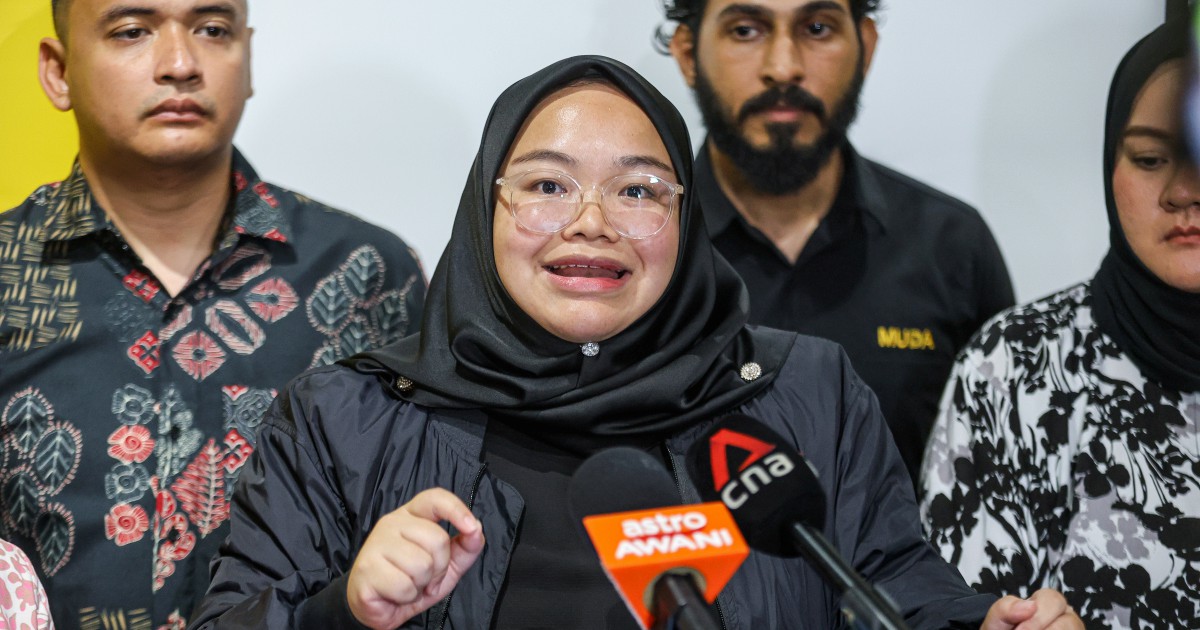
Muda has signalled it enjoys constructive working relationships with Bersatu at the state level in Johor, though the two political parties have stopped short of formalising any electoral cooperation framework ahead of what could prove a significant test of their respective political strength in the southern state.
The distinction drawn between having good ties and striking a concrete political alliance reflects the complex calculations facing both parties as they weigh their respective positioning in Johor's political landscape. For Muda, the younger Malaysian United Democratic Alliance has been building its presence across multiple states while seeking to establish itself as a genuine alternative political force distinct from the traditional coalition arrangements that have long dominated the country's electoral system. Bersatu, the Malaysian United Indigenous Party, has pursued its own trajectory following significant organisational shifts at the national level in recent years.
The absence of a formalised agreement does not necessarily indicate any underlying friction between the parties. Rather, it suggests both organisations are maintaining strategic flexibility as they assess the optimal approach for Johor, where political dynamics have proven fluid in recent years. Such calculations are not unusual in Malaysian politics, where parties often prefer to preserve their freedom of action until the timing and circumstances of elections become clearer.
For Malaysian readers monitoring coalition-building and opposition consolidation efforts, the situation in Johor carries broader implications. The state has traditionally been a battleground for political dominance, with control over the state government having significant ripple effects for both federal and regional political balances. How smaller parties such as Muda position themselves relative to more established players like Bersatu could influence whether opposition forces can mount a credible challenge to incumbent administrations.
Muda's cautious approach also reflects the party's stated commitment to remaining open to working with multiple stakeholders rather than binding itself prematurely to exclusive arrangements. This strategy has characterised the party's approach in other states as well, allowing it to maintain dialogue with various political entities whilst preserving the option to shift priorities if circumstances warrant. For a party still in its early growth phase, such flexibility can be strategically valuable.
Bersatu's position in Johor has undergone changes following broader restructuring within the party at the national level. The Bumiputera Empowerment United Organisation maintains a base in the state but is not necessarily the dominant force it commands in certain other regions. This relative positioning may actually contribute to the currently undecided status regarding electoral cooperation, as both parties seek to understand where their respective strengths lie before committing to a joint electoral strategy.
The timing of any potential announcement regarding electoral cooperation remains uncertain. Malaysian political parties typically leave such decisions until the period immediately preceding a state election or upon clearer signals regarding when polling will occur. This approach allows parties to respond to changing political circumstances and grass-roots developments that might shift calculations about the optimal electoral alliance strategy.
For opposition forces more broadly, the question of whether Muda and Bersatu coordinate their efforts in Johor touches on larger questions about whether smaller and reformist parties can effectively coordinate to challenge existing power structures. The track record of such cooperation has been mixed, with some alliances proving effective whilst others have fractured under electoral pressure or personal tensions between party leaders.
Observers monitoring the political landscape in Southeast Asia and within Malaysia's federal system will note that Johor remains strategically significant. The state's economy, population, and proximity to Singapore make it consequential for national-level political mathematics. Electoral outcomes in the state can influence momentum and confidence heading into potential federal-level contests. This elevates the importance of how the various parties, including Muda and Bersatu, ultimately structure their approaches.
The current posture of having good relations without a formal pact also signals to voters in Johor that these parties are not presenting a completely unified front. Whether this benefits or harms opposition efforts will depend on various factors, including how effectively each party can establish its own distinct messaging and voter base whilst maintaining enough coordination to avoid splitting opposition votes in ways that disadvantage their collective interests.
Looking ahead, stakeholders should monitor whether Muda and Bersatu move toward a formal cooperation arrangement as state election timing becomes more defined. Any eventual agreement would likely include discussions on seat allocations, campaign coordination, and voter messaging strategies. The absence of such an agreement at present suggests both parties are keeping options open—a common but potentially risky strategy in a competitive electoral environment.

%22%2F%3E%3C%2Fpattern%3E%3C%2Fdefs%3E%3Crect%20width%3D%22100%25%22%20height%3D%22100%25%22%20fill%3D%22url(%23ph40buhg)%22%2F%3E%3Crect%20width%3D%22100%25%22%20height%3D%22100%25%22%20fill%3D%22url(%23ph40buhp)%22%2F%3E%3Ctext%20x%3D%2250%25%22%20y%3D%2250%25%22%20text-anchor%3D%22middle%22%20dominant-baseline%3D%22central%22%20fill%3D%22rgba(255%2C255%2C255%2C0.95)%22%20font-family%3D%22Georgia%2C%20'Times%20New%20Roman'%2C%20serif%22%20font-weight%3D%22700%22%20font-size%3D%22320%22%20letter-spacing%3D%22-0.02em%22%3EGRS%3C%2Ftext%3E%3C%2Fsvg%3E)