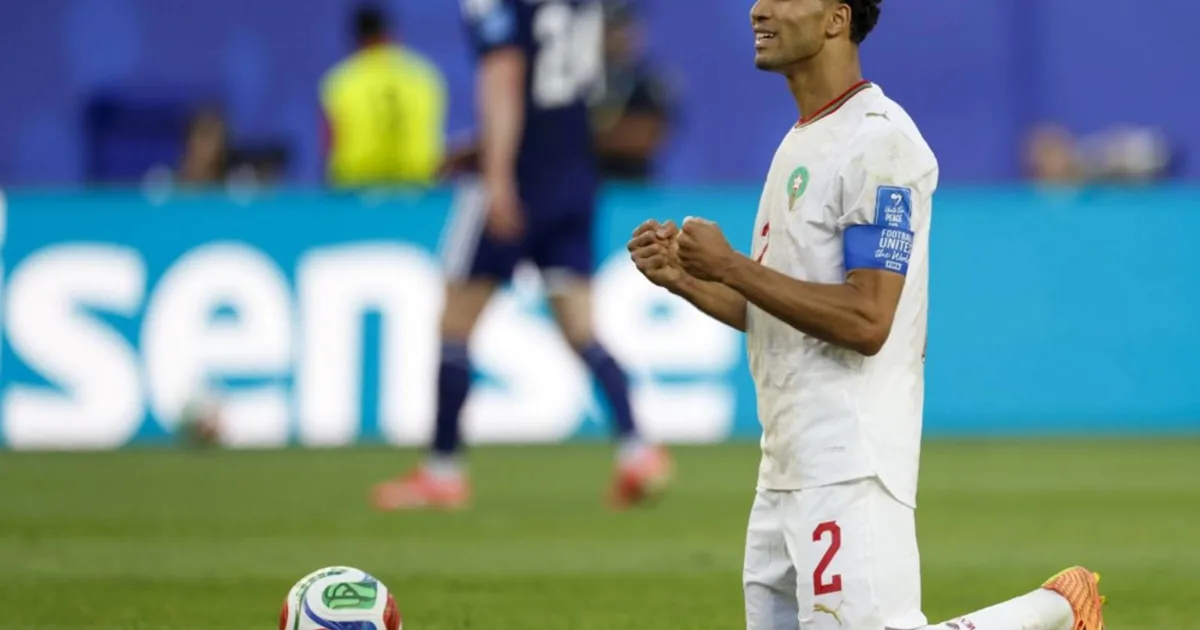
Morocco's coach has moved to reassure observers that Achraf Hakimi, the Paris Saint-Germain right-back, is coping mentally and emotionally despite the serious legal challenge confronting him. The footballer faces accusations relating to an encounter with a 24-year-old woman in the greater Paris area during 2023—allegations that Hakimi firmly rejects. The defensive midfielder's public standing has been complicated by the case, which has attracted considerable attention across European sporting circles and beyond.
The timing of these legal proceedings places significant pressure on both the player and his national team, particularly given Hakimi's central role in Morocco's recent World Cup campaign. His performances at the international tournament elevated his profile considerably, establishing him as one of the squad's most reliable attacking defenders. The allegations, however, have cast a shadow over what might otherwise have been a period of professional consolidation and sporting achievement for the 25-year-old.
At club level, Hakimi's position at PSG represents the apex of his career trajectory. The French capital's elite institution paid premium fees to secure him, recognising his tactical discipline, pace, and ability to contribute both defensively and in attacking transitions. His integration into Mauricio Pochettino's system—and now Luis Enrique's evolving setup—has generally proceeded smoothly, though off-field complications inevitably create distractions for any athlete operating at this competitive level.
The legal investigation centres on circumstances that allegedly occurred during 2023, a year in which Hakimi featured prominently for both club and country. The specifics of the accusation remain subject to judicial examination in French courts, where proceedings continue. That Hakimi maintains his innocence suggests he intends to contest the allegations through appropriate legal channels rather than accept any culpability.
For Morocco's national setup, the situation presents both practical and reputational considerations. National team managers must balance player availability with the necessity of maintaining squad harmony and protecting the broader reputation of the programme. How the federation and coaching staff manage Hakimi's continued involvement in international fixtures will likely influence perceptions of their judgment and values, particularly among supporters who follow the team across North Africa and the diaspora communities throughout Europe and beyond.
The psychological dimension of competing under such circumstances cannot be underestimated. Professional athletes at Hakimi's level typically develop considerable mental fortitude, yet prolonged legal proceedings introduce uncertainty that extends beyond the pitch. His coach's public confidence in the player's equilibrium may serve partly to insulate him from additional pressure while the legal process runs its course. Whether Hakimi's actual emotional state matches the external projections remains unknowable to observers outside his immediate circle.
PSG, meanwhile, faces its own calculus regarding how extensively it will engage with Hakimi's case publicly. The club invests substantially in its players' commercial value and sporting contribution, meaning any reputational damage cascades across their broader operations and global brand positioning. French football authorities may also monitor the situation closely, given that domestic judicial outcomes carry implications for Ligue 1's standing among international competitions.
For Malaysian followers of European football, Hakimi's predicament illustrates how even elite athletes operating at the highest levels of professional sport remain subject to legal processes and allegations that can disrupt careers entirely. His situation serves as a reminder that achievement on the pitch offers no immunity from accountability off it, regardless of sporting status or commercial value to clubs and federations.
The ongoing trial will likely continue occupying media attention throughout the coming months, potentially affecting both Hakimi's concentration and his availability for Morocco's forthcoming international obligations. How effectively he compartmentalises these concerns while maintaining competitive performance levels may ultimately determine whether his career trajectory continues upward or sustains permanent damage. His coach's expression of confidence, while strategically useful, cannot substitute for the resolution that only a completed judicial process can provide to all parties involved.