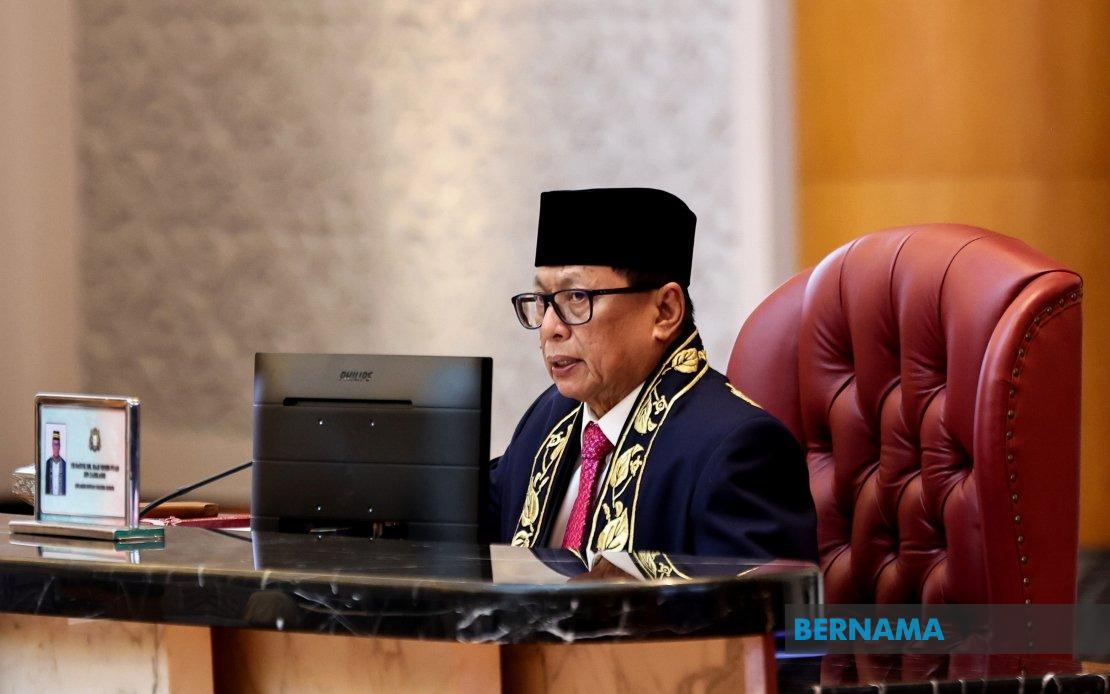
Datuk Dr Mohd Puad Zarkashi, the incumbent assemblyman for Rengit and speaker of the Johor State Legislative Assembly, has announced his decision to step away from electoral politics in the forthcoming state election scheduled for July 11. The announcement comes via Facebook, where Mohd Puad outlined his reasoning and the circumstances leading to his choice to retire from the contest.
The timing of Mohd Puad's withdrawal reflects a deliberate and measured approach to succession planning within UMNO's Johor wing. According to his statement, the decision was made approximately a year ago, well ahead of the current campaign period. He subsequently informed UMNO president Datuk Seri Dr Ahmad Zahid Hamidi and Johor UMNO chairman Datuk Onn Hafiz Ghazi of his intentions just two weeks prior to making the public announcement, ensuring that party leadership had adequate notice to make alternative arrangements for the Rengit constituency.
Age constitutes the primary factor driving Mohd Puad's decision to vacate the seat. At 69 years old, he projects that in five years' time he would reach 74, an age he considers inappropriate for contesting state-level elections. This reasoning extends beyond personal comfort; Mohd Puad articulates a broader philosophy regarding generational renewal within the political system. He advocates explicitly for candidates aged 50 and below to be prioritized in the selection process, suggesting that younger representatives better serve the electorate's long-term interests.
This generational argument carries particular weight given current political dynamics in Johor. By voluntarily stepping aside and advocating for younger candidates, Mohd Puad frames his retirement as supporting Onn Hafiz's leadership trajectory and the broader rejuvenation of the state government's bench. Onn Hafiz, as the Johor UMNO chairman and presumed leadership figure moving forward, benefits from an older generation creating space for fresh talent and perspectives. This dynamic reflects broader conversations within Malaysian politics about succession planning and the balance between experience and youth-driven governance.
Beyond his personal withdrawal, Mohd Puad has contributed substantive suggestions regarding candidate selection criteria. He has proposed that future aspirants should demonstrate education credentials, maintain sterling character references, display genuine commitment to the party's ideological foundations, and possess understanding of the nation's strategic direction. These criteria suggest an attempt to professionalize and elevate the standard of representation, moving beyond purely factional or patronage-based candidate selection toward merit-based considerations that might appeal to increasingly educated and discerning electorates.
Rengit constituency represents a solid UMNO stronghold, where Mohd Puad secured victory in the 2022 state election with a comfortable 1,920-vote majority. This relative security makes his voluntary departure noteworthy, as he surrenders a winnable seat rather than contest until electoral defeat or mandatory retirement forced his hand. The decision therefore signals genuine commitment to his stated principles rather than opportunistic repositioning.
Mohd Puad's role as speaker of the state legislative assembly adds another dimension to his withdrawal. The speaker's position represents a significant institutional role carrying prestige and influence within parliamentary proceedings. His gratitude toward Yang di-Pertuan Agong Sultan Ibrahim, King of Malaysia, for consenting to his appointment suggests the speaker's office carries considerable ceremonial importance within Johor's constitutional framework.
The practical timeline for Johor's election creates specific parameters for candidates and party officials. Nomination day is set for June 27, providing approximately ten days from Mohd Puad's announcement for UMNO to identify and formally register his replacement candidate. This condensed window demands that the Johor UMNO machinery move swiftly to vet and secure a suitable successor, ensuring continuity of party representation in this safe seat.
Mohd Puad's emphasis on completing outstanding matters before nomination day indicates awareness of both legislative responsibilities and local constituency issues that require closure. His assertion that he will settle these affairs demonstrates commitment to maintaining standards of service and leaving the seat in good administrative order for his successor, reinforcing his narrative of responsible stewardship.
From a broader Malaysian political perspective, Mohd Puad's decision offers a refreshing counterpoint to the common perception that politicians cling to positions indefinitely. His articulate rationale for generational transition and public framing around merit-based candidate selection provide talking points that elevate the discourse around electoral competition beyond merely tactical considerations. Whether other senior politicians adopt similar approaches to succession planning remains to be seen, but Mohd Puad's precedent establishes that voluntary retirement need not be accompanied by acrimony or factional conflict.
The implications for Johor's July 11 election extend beyond single-seat dynamics. UMNO's handling of Rengit's succession and its ability to retain the seat despite leadership transition will signal the party's organizational strength and attractiveness to younger candidates. In a state where Barisan Nasional has maintained dominance, though increasingly contested by DAP and PKR in certain constituencies, successful generational renewal becomes essential for sustaining electoral supremacy.

%22%2F%3E%3C%2Fpattern%3E%3C%2Fdefs%3E%3Crect%20width%3D%22100%25%22%20height%3D%22100%25%22%20fill%3D%22url(%23ph40buhg)%22%2F%3E%3Crect%20width%3D%22100%25%22%20height%3D%22100%25%22%20fill%3D%22url(%23ph40buhp)%22%2F%3E%3Ctext%20x%3D%2250%25%22%20y%3D%2250%25%22%20text-anchor%3D%22middle%22%20dominant-baseline%3D%22central%22%20fill%3D%22rgba(255%2C255%2C255%2C0.95)%22%20font-family%3D%22Georgia%2C%20'Times%20New%20Roman'%2C%20serif%22%20font-weight%3D%22700%22%20font-size%3D%22320%22%20letter-spacing%3D%22-0.02em%22%3EGRS%3C%2Ftext%3E%3C%2Fsvg%3E)