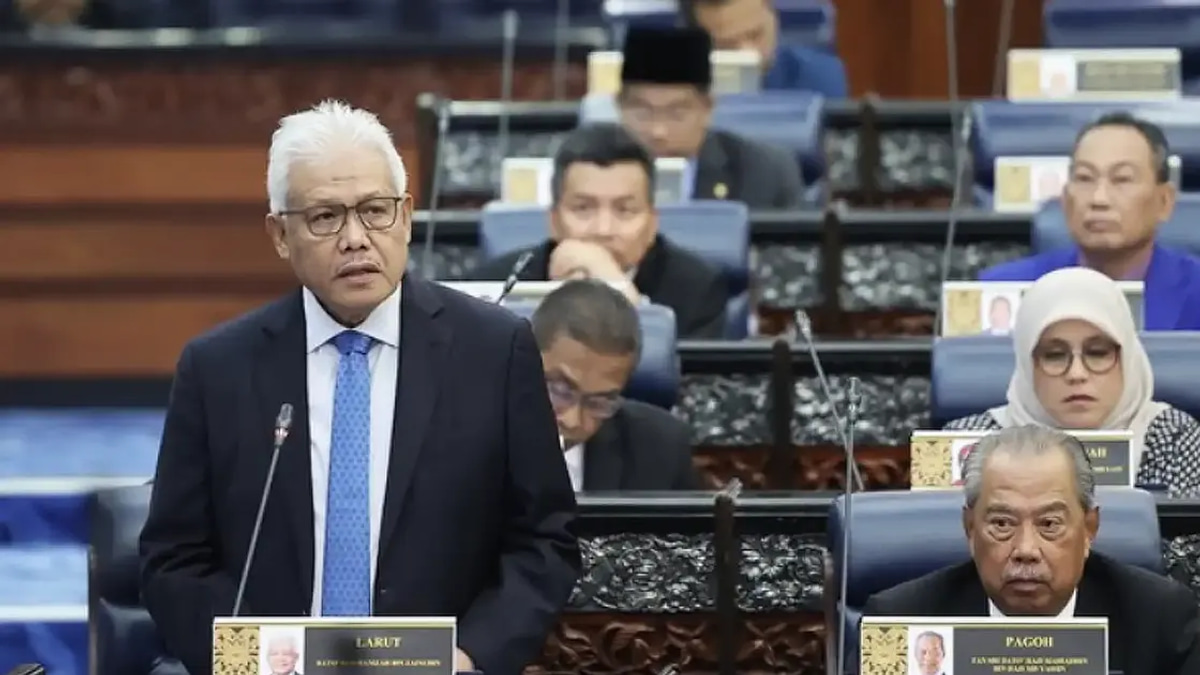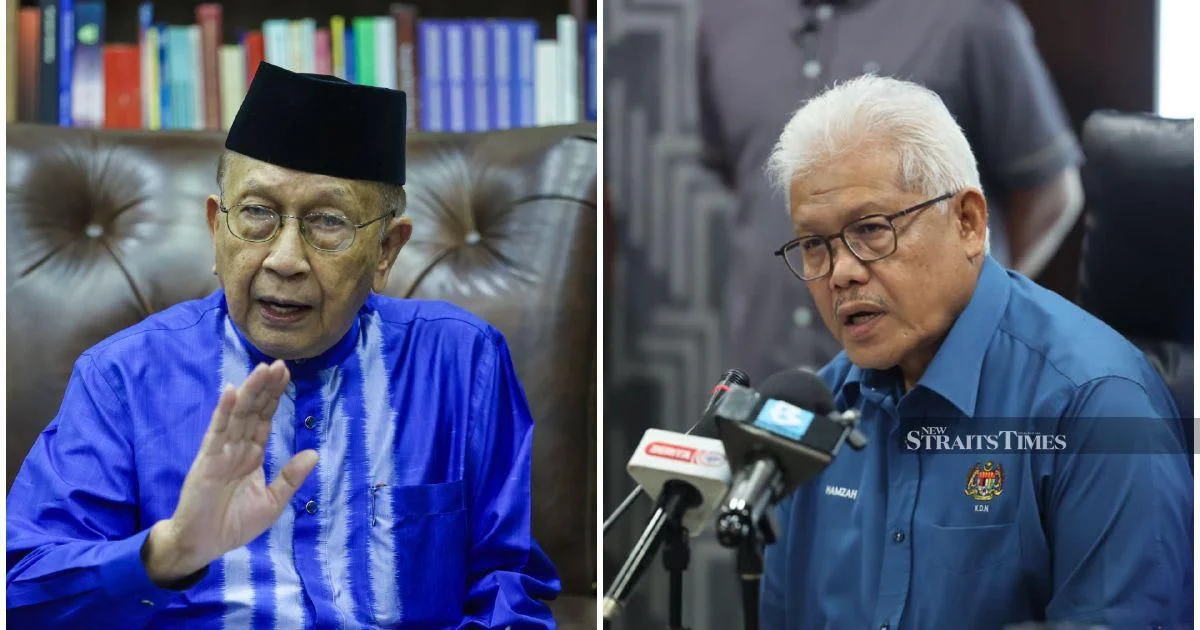
Parti Wawasan Negara (Wawasan) has formally inaugurated its central leadership structure, positioning Hamzah and Rais Yatim at the helm of the emerging political organisation. The party's decision to concentrate decision-making authority with these two figures signals an attempt to leverage their extensive governmental experience and parliamentary networks as it navigates the complexities of Malaysian politics.
The formation of Wawasan represents an attempt to carve out distinct ideological and political space at a moment of considerable flux within the Malaysian political system. By assembling what the party describes as a comprehensive leadership architecture, Wawasan aims to project stability and gravitas to both potential supporters and established political rivals. The inclusion of figures with ministerial backgrounds, parliamentary representation, and professional credentials across various sectors suggests the party is attempting to appeal to a broad coalition of interests rather than pursuing a narrowly defined constituency.
Hamzah's appointment reflects recognition of his institutional knowledge and political networks cultivated over decades in government. His previous roles in high-level positions have positioned him as someone familiar with policy formulation, legislative processes, and the intricate negotiations that characterise Malaysian federal politics. The elevation of Rais Yatim alongside him establishes a dual-leadership model that distributes responsibility while theoretically combining complementary skill sets and political constituencies.
The inclusion of former ministers within Wawasan's central leadership council demonstrates the party's strategy of recruiting individuals with direct executive experience. Those who have previously held ministerial portfolios bring not only technical expertise in specific policy domains but also existing relationships with civil service machinery, business communities, and international counterparts. This approach contrasts sharply with newer political movements that must develop institutional knowledge and governmental credibility from scratch.
The participation of serving and former members of parliament strengthens Wawasan's claim to legislative influence. Parliamentarians bring constituent networks, committee experience, and demonstrated capacity to mobilise political support within their respective electoral bases. Their involvement suggests the party has already begun consolidating regional political foundations that could translate into electoral traction when general elections are called.
Beyond the political operatives, Wawasan has deliberately recruited individuals from professional sectors including business, academia, law, and civil society. This diversification of leadership competencies reflects contemporary expectations that political parties should be capable of addressing complex technical policy challenges rather than relying solely on political operatives. Professional recruitment also signals ambitions to engage middle-class constituencies and knowledge workers who increasingly expect evidence-based policy approaches.
The timing of Wawasan's formal leadership announcement carries significance within Malaysia's broader political context. The party emerges during a period when existing coalitions face internal strains and voters express frustration with political instability and governance performance. By positioning itself as a serious institutional alternative underpinned by experienced hands and professional expertise, Wawasan is attempting to appeal to both politically aligned constituencies and swing voters seeking alternatives to established options.
For regional observers, Wawasan's emergence and leadership structure illustrate ongoing dynamics within Malaysia's party system. The continuous emergence of new political entities, often led by defectors or consolidations of splinter groups, reflects underlying structural instability. The party's reliance on figures with deep establishment connections raises questions about whether it genuinely represents a departure from existing political patterns or merely represents a reconfiguration of established power networks.
The effectiveness of Wawasan's leadership model will likely depend on translating organisational coherence and elite credentials into grassroots mobilisation capacity. While central leadership featuring experienced figures establishes institutional credibility, building functional party machinery at divisional, state, and local levels requires sustained organisational effort. The capacity of Hamzah, Rais Yatim, and their colleagues to coordinate coherent messaging, allocate resources strategically, and develop policy platforms that resonate with diverse voter segments will ultimately determine whether Wawasan achieves meaningful electoral impact.
The party's leadership structure also reflects calculations about coalition-building potential. In Malaysia's parliamentary system, electoral outcomes frequently hinge on post-election negotiations and coalition formation. Wawasan's comprehensive and experienced central leadership enhances its negotiating position should election outcomes produce hung parliaments or fragmented mandates requiring coalition arrangements. The presence of seasoned political operators capable of managing complex negotiations augments the party's strategic flexibility in post-election scenarios.
For Malaysian voters and political observers, Wawasan's formal leadership announcement represents another significant development within the country's perpetually evolving party landscape. Whether this particular formation achieves substantial electoral success or joins the extensive catalogue of political entities that have emerged and subsequently declined will depend substantially on factors extending beyond leadership composition, including grassroots organisation, policy differentiation, and broader political circumstances that unfold during the electoral cycle.