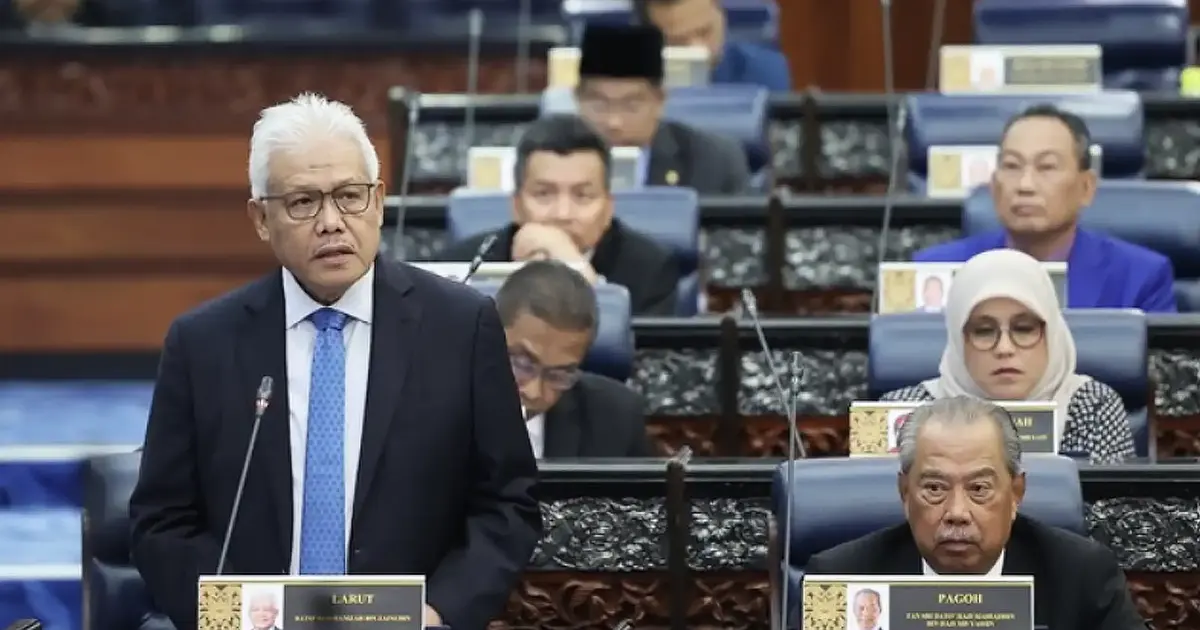
Dewan Rakyat Speaker Johari Abdul has disclosed that former Prime Minister Muhyiddin Yassin sought to relocate his seating position within the lower house of Parliament, marking an administrative development in Malaysia's legislative chambers. The speaker made this revelation while simultaneously confirming that he has received formal documentation establishing Larut Member of Parliament Hamzah Zainudin as the official opposition leader, a designation that carries significant parliamentary privileges and responsibilities.
The seating arrangement request reflects the dynamic nature of parliamentary politics in Malaysia, where physical positioning within the Dewan Rakyat carries both symbolic and practical weight. Seating assignments in Parliament are typically managed by the Speaker's office and can be subject to change depending on party standings, personal circumstances, or legislative developments. Muhyiddin's request suggests potential shifts in either his political positioning or his engagement with parliamentary proceedings, though the specific reasons behind the relocation have not been publicly elaborated.
Muhyiddin's current parliamentary status remains notable given his previous tenure as Prime Minister from March 2020 to August 2021, a period marked by considerable political volatility and shifting coalitions. His request for a seating change comes within the broader context of Malaysia's fragmented political landscape, where coalition alignments frequently adjust and parliamentary mathematics constantly shift. The move may carry implications for how his parliamentary group is positioned relative to the government benches or other opposition groupings.
The formal confirmation of Hamzah Zainudin as opposition leader represents a clearer development in the country's legislative structure. This recognition grants the opposition leader access to specific parliamentary mechanisms designed to hold government accountable, including designated speaking time, the right to table opposition business in Parliament, and the authority to coordinate opposition parliamentary strategy. Hamzah's appointment to this role reflects the current composition of the opposition contingent in the Dewan Rakyat and suggests a consolidation of opposition forces under his leadership.
Hamzah, representing the Larut constituency, has been an increasingly prominent figure in Malaysian politics, particularly within his party structures. His designation as opposition leader formalizes what may have been an evolving reality within opposition parliamentary operations. The receipt of official documentation confirming this status, as noted by Speaker Johari, indicates that the formalities have been properly completed according to parliamentary convention and standing orders.
For Malaysian readers and observers of parliamentary affairs, these developments underscore the continuing reorganization of the legislative landscape following recent electoral cycles and coalition realignments. The Dewan Rakyat has witnessed substantial shifts in its composition and internal dynamics, with various political groupings adjusting their positioning and strategies accordingly. The dual announcement from Speaker Johari provides insight into administrative adjustments being made to reflect these changing circumstances.
The opposition's formal leadership structure is crucial for the functioning of parliamentary democracy in Malaysia. An established opposition leader ensures that alternative policy perspectives receive structured platforms within the chamber and that government proposals face organized scrutiny. This institutional framework strengthens parliamentary accountability and ensures that diverse viewpoints receive hearing within legislative debates.
Speaker Johari's role in overseeing these administrative matters reflects the Speaker's responsibility to maintain parliamentary decorum and ensure that all procedural aspects of legislative operations function properly. The Speaker's office manages not only physical arrangements within the chamber but also ensures compliance with parliamentary protocols and standing orders that govern how the institution operates. Public disclosure of such administrative matters helps maintain transparency regarding parliamentary operations.
The broader political implications of these changes merit consideration within the context of Malaysia's evolving political equilibrium. With opposition leadership now formally established and clarified, the parliamentary dynamics may become more predictable in terms of how opposition business is organized and presented. This could affect the pace and nature of legislative debates, as well as how government proposals navigate parliamentary scrutiny.
These developments also reflect the maturation of Malaysia's democratic institutions, where administrative matters related to parliamentary seating and leadership recognition proceed through established procedures. While parliamentary arrangements might appear procedurally routine to some observers, they frequently signal deeper shifts in political positioning and coalition strategies. The formalization of opposition leadership, in particular, underscores recognition that effective parliamentary governance requires clarity regarding who holds responsibility for coordinating alternative viewpoints.
As Malaysia continues navigating its political trajectory, attention to parliamentary structures and leadership positions becomes increasingly important for stakeholders seeking to understand the country's legislative direction. The confirmation of Hamzah Zainudin's role and the accommodation of Muhyiddin's seating preferences represent the practical adjustments required to maintain functional parliamentary operations amid ongoing political realignments. These administrative details, while sometimes overlooked, form the foundation upon which effective legislative scrutiny and democratic accountability rest.
%22%2F%3E%3C%2Fpattern%3E%3C%2Fdefs%3E%3Crect%20width%3D%22100%25%22%20height%3D%22100%25%22%20fill%3D%22url(%23phkbe7g)%22%2F%3E%3Crect%20width%3D%22100%25%22%20height%3D%22100%25%22%20fill%3D%22url(%23phkbe7p)%22%2F%3E%3Ctext%20x%3D%2250%25%22%20y%3D%2250%25%22%20text-anchor%3D%22middle%22%20dominant-baseline%3D%22central%22%20fill%3D%22rgba(255%2C255%2C255%2C0.95)%22%20font-family%3D%22Georgia%2C%20'Times%20New%20Roman'%2C%20serif%22%20font-weight%3D%22700%22%20font-size%3D%22226%22%20letter-spacing%3D%22-0.02em%22%3EMelaka%3C%2Ftext%3E%3C%2Fsvg%3E)
%22%2F%3E%3C%2Fpattern%3E%3C%2Fdefs%3E%3Crect%20width%3D%22100%25%22%20height%3D%22100%25%22%20fill%3D%22url(%23ph1864ag)%22%2F%3E%3Crect%20width%3D%22100%25%22%20height%3D%22100%25%22%20fill%3D%22url(%23ph1864ap)%22%2F%3E%3Ctext%20x%3D%2250%25%22%20y%3D%2250%25%22%20text-anchor%3D%22middle%22%20dominant-baseline%3D%22central%22%20fill%3D%22rgba(255%2C255%2C255%2C0.95)%22%20font-family%3D%22Georgia%2C%20'Times%20New%20Roman'%2C%20serif%22%20font-weight%3D%22700%22%20font-size%3D%22320%22%20letter-spacing%3D%22-0.02em%22%3EMuda%3C%2Ftext%3E%3C%2Fsvg%3E)