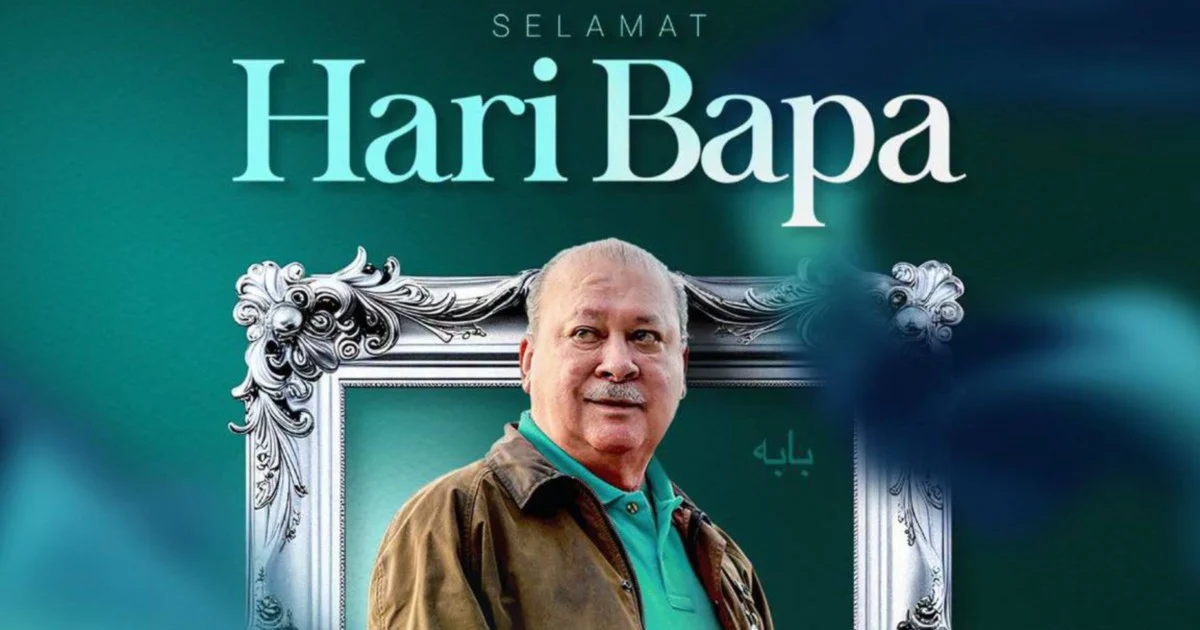
Malaysia's Royal Couple, His Majesty Sultan Ibrahim and Her Majesty Raja Zarith Sofiah, have taken occasion to recognise the contributions of fathers across the nation through Father's Day greetings, reaffirming the constitutional monarchy's ongoing engagement with national celebrations that underscore family values and social cohesion.
The gesture from the Palace reflects the symbolic role the monarchy plays in acknowledging significant observances within the Malaysian calendar. Father's Day, celebrated internationally at varying dates depending on cultural and religious traditions, holds particular resonance in Malaysian society, where family structures and filial piety remain cornerstones of social and cultural identity.
Royal acknowledgements of such occasions serve multiple functions within Malaysia's constitutional framework. They provide institutional validation for family-oriented celebrations whilst simultaneously humanising the monarchy through recognition of everyday lived experiences. In a nation where Islamic values inform much of the cultural fabric, alongside diverse traditions practised by the Christian, Hindu, Buddhist, and indigenous communities, Father's Day greetings from the highest office carry weight in affirming inclusivity and universal parental recognition.
The timing of such public expressions matters within Malaysia's media landscape and social discourse. By extending greetings to all fathers in the country, the Palace acknowledges the diverse family configurations and circumstances that characterise contemporary Malaysian society—single fathers, stepfathers, adoptive fathers, and grandfather figures who assume paternal responsibilities. This broadening of recognition reflects evolving understandings of family structures beyond traditional configurations.
For the monarchy, regular engagement with national observances maintains visible connection with the populace beyond ceremonial state functions and constitutional duties. These smaller but consistent moments of public communication help sustain the institution's relevance and perceived accessibility to ordinary Malaysians. In recent decades, as the role of constitutional monarchies has faced scrutiny globally, strategic engagement with popular occasions serves as a form of soft institutional maintenance.
Father's Day celebrations in Malaysia typically encompass family gatherings, gift exchanges, and dining occasions, though observance patterns vary considerably across demographic lines and geographical regions. Urban and rural celebrations often differ markedly, as do practices between different ethnic and religious communities. The Royal greetings effectively create a national umbrella under which these varied celebrations can be situated and validated.
Such gestures also reflect the Palace's recognition of demographic realities within Malaysia. With approximately 33 million people, the nation hosts millions of fathers across different life stages and family circumstances. Acknowledging their contributions through official channels legitimises the social value placed on paternity and male caregiving roles, at a moment when discussions around gender roles and masculinity are increasingly prevalent across Malaysian society.
The consistency with which the monarchy engages in holiday greetings has become established precedent within the institution's annual calendar. These repetitions, whilst appearing routine, function as anchoring points in the national consciousness, creating predictable moments of royal engagement that citizens have come to expect and reference in their own family celebrations. The act of issuing greetings has become almost ceremonial in its own right.
From a comparative regional perspective, many Southeast Asian monarchies engage similarly with national occasions and family-oriented celebrations. This places Malaysian practice within broader patterns of constitutional monarchy behaviour across the region, where symbolic engagement with social values forms part of the institution's legitimacy infrastructure. The approach differs markedly from absolute monarchies or republics, reflecting Malaysia's particular constitutional arrangements.
The Father's Day observance also intersects with ongoing discussions about social cohesion and national identity in a plural Malaysia. By positioning the monarchy as acknowledging fatherhood across all communities and backgrounds, the Palace implicitly reinforces narratives of national unity that transcend the communal divisions that occasionally surface in Malaysian public discourse. Such symbolism, whilst sometimes invisible to observers, contributes to the backdrop against which Malaysian society understands itself.
Moving forward, the regular reiteration of these acknowledgements may carry additional significance as Malaysian society navigates rapid technological, economic, and social changes. Traditional family structures and gender roles face pressures and opportunities from urbanisation, digital connectivity, and evolving economic participation patterns. Royal affirmation of paternal roles provides cultural anchoring amid such transformations, suggesting institutional stability around fundamental social units.
%22%2F%3E%3C%2Fpattern%3E%3C%2Fdefs%3E%3Crect%20width%3D%22100%25%22%20height%3D%22100%25%22%20fill%3D%22url(%23phkbe7g)%22%2F%3E%3Crect%20width%3D%22100%25%22%20height%3D%22100%25%22%20fill%3D%22url(%23phkbe7p)%22%2F%3E%3Ctext%20x%3D%2250%25%22%20y%3D%2250%25%22%20text-anchor%3D%22middle%22%20dominant-baseline%3D%22central%22%20fill%3D%22rgba(255%2C255%2C255%2C0.95)%22%20font-family%3D%22Georgia%2C%20'Times%20New%20Roman'%2C%20serif%22%20font-weight%3D%22700%22%20font-size%3D%22226%22%20letter-spacing%3D%22-0.02em%22%3EMelaka%3C%2Ftext%3E%3C%2Fsvg%3E)
%22%2F%3E%3C%2Fpattern%3E%3C%2Fdefs%3E%3Crect%20width%3D%22100%25%22%20height%3D%22100%25%22%20fill%3D%22url(%23ph1864ag)%22%2F%3E%3Crect%20width%3D%22100%25%22%20height%3D%22100%25%22%20fill%3D%22url(%23ph1864ap)%22%2F%3E%3Ctext%20x%3D%2250%25%22%20y%3D%2250%25%22%20text-anchor%3D%22middle%22%20dominant-baseline%3D%22central%22%20fill%3D%22rgba(255%2C255%2C255%2C0.95)%22%20font-family%3D%22Georgia%2C%20'Times%20New%20Roman'%2C%20serif%22%20font-weight%3D%22700%22%20font-size%3D%22320%22%20letter-spacing%3D%22-0.02em%22%3EMuda%3C%2Ftext%3E%3C%2Fsvg%3E)