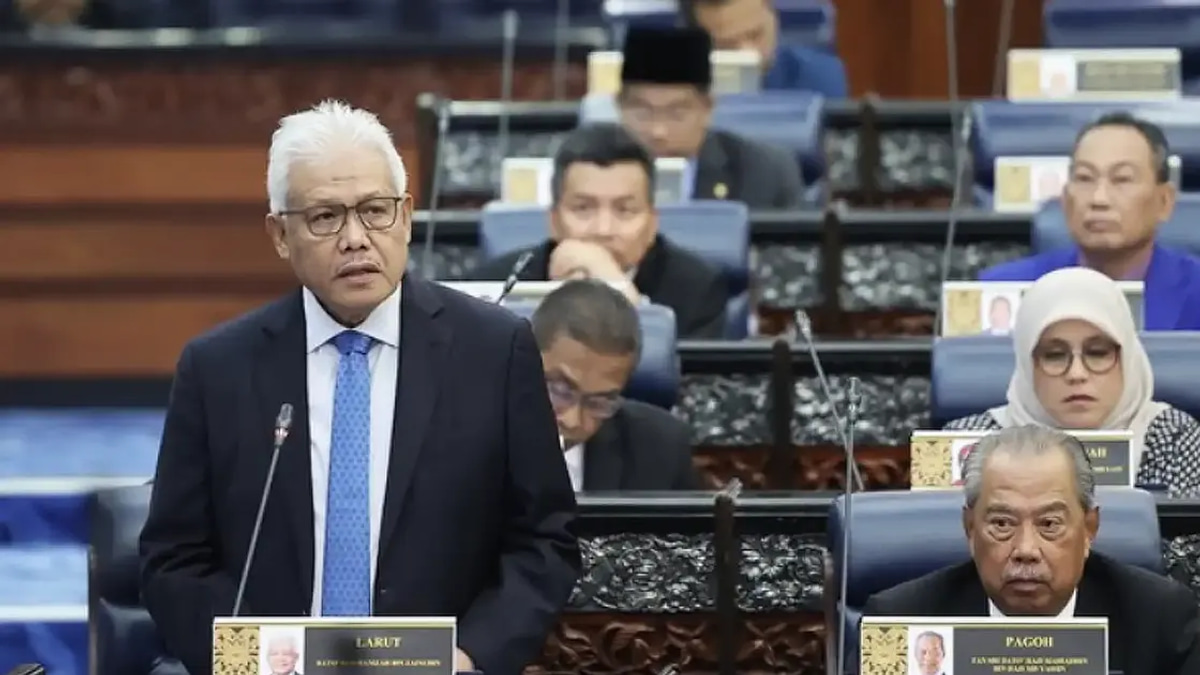
Several high-ranking politicians from Pakatan Harapan and Umno have expressed interest in joining Bersama, an emerging political grouping that appears designed to unite figures across Malaysia's traditionally divided political camps. According to Rafizi Ramli, a senior PKR leader and former deputy finance minister, the appetite for such cross-party collaboration signals a shifting approach to coalition-building in Malaysian politics.
The interest from leaders in both major opposition blocs suggests that Bersama may function as a unifying platform that transcends the conventional Barisan Nasional and Pakatan Harapan divide. This development comes at a time when Malaysian politics has been characterised by shifting alliances and attempts to forge broader consensus on governance issues. The willingness of politicians from historically adversarial camps to explore joint membership indicates potential frustration with existing coalition structures or a desire to influence policy from a different platform.
Bersama represents an attempt to create political space beyond the two dominant coalitions that have dominated Malaysian governance since the 1998 split in the ruling Umno-led alliance. By attracting members from both Pakatan and Umno, the movement could reshape how politicians engage with one another and potentially offer voters alternative voting blocs. This approach mirrors similar coalition experiments elsewhere in Southeast Asia, where political fragmentation has prompted attempts to forge broader, issue-based alliances rather than purely party-based ones.
The movement's appeal appears to lie in its potential to accommodate politicians who may feel sidelined within their current parties or who seek greater autonomy in decision-making. For Umno members, Bersama could offer a counterweight to party leadership decisions, while Pakatan figures might view it as a platform to extend influence beyond their coalition's current boundaries. This flexibility suggests Bersama is positioning itself as ideologically inclusive rather than tied to any particular economic or social philosophy.
Malaysian political observers note that such movements have appeared periodically in recent years, though few have gained significant parliamentary representation or sustained influence. The success of Bersama will depend on whether it can translate initial interest from prominent figures into a functional organisation with clear policy objectives and a compelling narrative for voters. Without such foundations, the movement risks becoming merely another vehicle for ambitious politicians rather than a genuine attempt at political reformation.
The timing of these discussions is particularly significant given Malaysia's political trajectory since 2018. The collapse of the Pakatan government in 2020 and the subsequent period of political instability created openings for new political actors and coalitions. Bersama emerges into this environment of uncertainty, potentially offering a third option for voters fatigued by the perceived rigidity of existing alliances. However, whether such positioning translates into actual electoral advantage remains speculative.
For Umno specifically, the interest of its members in Bersama reflects ongoing internal tensions within the party. With the party's power declining relative to Perikatan Nasional allies like PAS, some Umno figures may see Bersama as a way to rebuild political capital or influence. Similarly, Pakatan members attracted to Bersama might be seeking leverage to push their coalitions toward particular policy directions or seeking greater individual prominence outside party hierarchies.
The regional context matters too. Malaysia's political landscape has increasingly resembled that of other Southeast Asian democracies where multiple coalitions compete rather than two dominant blocs. Indonesia, the Philippines, and Thailand have all experienced proliferation of political coalitions and shifting alliances. Bersama could represent Malaysian politics moving toward such a system, potentially destabilising existing arrangements but also offering greater electoral competition and political dynamism.
However, significant obstacles remain for Bersama's consolidation as a meaningful political force. Party whip systems and loyalty mechanisms within existing organisations create barriers to defection. Additionally, voters have historically rewarded partisan loyalty and coherent party positions over fluid coalition arrangements. Bersama would need to develop a distinct identity and policy platform to overcome these structural challenges. Without such differentiation, it may struggle to attract genuine commitment from either politicians or voters seeking genuine alternatives.
The emergence of Bersama also reflects broader questions about Malaysia's political future. As demographic changes and generational shifts reshape the electorate, new political vehicles may gain traction among voters seeking different approaches to longstanding issues. The movement's eventual success or failure will offer insights into whether Malaysian voters are ready for more fluid, coalition-based politics or whether they continue preferring stable, clearly-defined party structures and alliances. For now, Bersama remains a political experiment whose trajectory will depend on its ability to translate leadership interest into sustained organisational capacity and voter appeal.
%22%2F%3E%3C%2Fpattern%3E%3C%2Fdefs%3E%3Crect%20width%3D%22100%25%22%20height%3D%22100%25%22%20fill%3D%22url(%23ph1864ag)%22%2F%3E%3Crect%20width%3D%22100%25%22%20height%3D%22100%25%22%20fill%3D%22url(%23ph1864ap)%22%2F%3E%3Ctext%20x%3D%2250%25%22%20y%3D%2250%25%22%20text-anchor%3D%22middle%22%20dominant-baseline%3D%22central%22%20fill%3D%22rgba(255%2C255%2C255%2C0.95)%22%20font-family%3D%22Georgia%2C%20'Times%20New%20Roman'%2C%20serif%22%20font-weight%3D%22700%22%20font-size%3D%22320%22%20letter-spacing%3D%22-0.02em%22%3EMuda%3C%2Ftext%3E%3C%2Fsvg%3E)
%22%2F%3E%3C%2Fpattern%3E%3C%2Fdefs%3E%3Crect%20width%3D%22100%25%22%20height%3D%22100%25%22%20fill%3D%22url(%23ph18bgxg)%22%2F%3E%3Crect%20width%3D%22100%25%22%20height%3D%22100%25%22%20fill%3D%22url(%23ph18bgxp)%22%2F%3E%3Ctext%20x%3D%2250%25%22%20y%3D%2250%25%22%20text-anchor%3D%22middle%22%20dominant-baseline%3D%22central%22%20fill%3D%22rgba(255%2C255%2C255%2C0.95)%22%20font-family%3D%22Georgia%2C%20'Times%20New%20Roman'%2C%20serif%22%20font-weight%3D%22700%22%20font-size%3D%22170%22%20letter-spacing%3D%22-0.02em%22%3EMalaysia%3C%2Ftext%3E%3C%2Fsvg%3E)