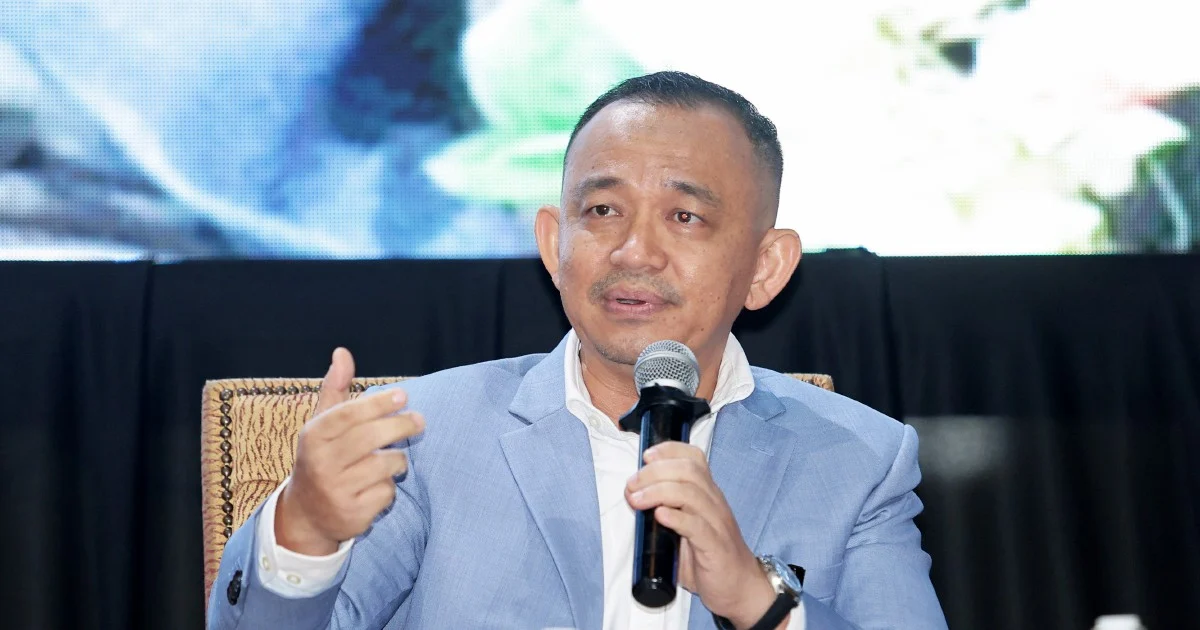
Political circles in Johor Baru are abuzz with mounting speculation that Dr Maszlee Malik, the former education minister, is being positioned as a prominent candidate for PKR in the forthcoming Johor state election. The prospect of his candidacy has generated considerable discussion among party insiders and observers tracking the preparations for the poll, as PKR continues to consolidate its slate of contenders across the southern state.
Maszlee Malik's potential entry into the Johor electoral contest would represent a notable development in the Democratic Action Party's coalition strategy. His previous tenure as education minister, though abbreviated, established him as a recognizable political figure with a portfolio closely watched by parents, educators, and the broader public. The timing of his emergence as a candidate candidate follows the established pattern whereby PKR seeks to deploy experienced figures in strategically important constituencies.
The speculation surrounding Maszlee's candidacy reflects broader dynamics within PKR's Johor operations. The party has been actively assessing potential candidates capable of competing effectively across diverse constituencies, from urban centres with educated middle-class voters to traditional political strongholds. His background in education policy positions him with credibility among voters who prioritize schooling quality and institutional reform, issues that continue to resonate across Malaysian households regardless of political affiliation.
Johor's forthcoming state election carries significant implications for the broader political landscape in Southeast Asia's most economically dynamic region. As Malaysia's industrial and manufacturing heartland, Johor's electoral outcome influences national political momentum and coalition stability. PKR's performance in the state contributes substantially to Pakatan Harapan's overall political strength, making candidate selection decisions both consequential and contentious. The party's leadership has faced pressure to identify contenders who combine electoral appeal with administrative credibility.
Maszlee's profile encompasses both assets and complications for his potential candidacy. His international education credentials and reputation for technocratic competence attract certain voter demographics, particularly those seeking meritocratic governance and institutional modernization. Conversely, his previous ministerial experience invites scrutiny of his policy record and administrative decisions, providing opposition parties with established narratives for campaigning purposes. Voters in Johor frequently weigh candidates' track records in previous positions when evaluating suitability for state-level responsibility.
The party machinery's apparent endorsement of Maszlee suggests confidence in his ability to mobilize support and campaign effectively across the state's diverse communities. PKR's coalition partners within Pakatan Harapan likely have had input into this decision, as pre-election candidate discussions typically involve extensive coordination between Democratic Action Party, Amanah, and other alliance components. Such consultations ensure that major candidacies align with broader coalition objectives and do not duplicate efforts or create internal friction.
Johor's electoral context presents both opportunities and challenges for any PKR candidate. The state encompasses long-standing Barisan Nasional strongholds where opposition parties have traditionally struggled, alongside emerging urban constituencies where reformist candidates gain traction. A candidate like Maszlee, with visibility in federal-level politics and policy expertise, potentially bridges these differing voter bases by offering continuity with national political developments while claiming focus on state-specific concerns.
The upcoming election will occur against a backdrop of evolving Malaysian political alignments. Since the 2022 general election, coalitions have undergone considerable reshuffling, with PKR repositioning itself within larger political structures. Johor's state poll therefore becomes a testing ground for these recalibrated alliances, and successful candidate recruitment directly impacts PKR's ability to consolidate electoral gains. Party leaders have indicated that candidate selections reflect considered strategic judgment rather than purely personal or factional preferences.
Maszlee's emergence as a potential candidate also reflects PKR's broader efforts to attract individuals with governmental experience and technical expertise. Beyond electoral considerations, parties increasingly recognize that voters demand candidates capable of addressing complex policy challenges including education reform, infrastructure development, and economic diversification. Maszlee's background speaks to these competency expectations, positioning him as someone voters might reasonably expect to engage substantively with governance questions rather than merely contest seats.
As these candidacy discussions develop, observers will watch for official party announcements confirming whether Maszlee indeed receives formal nomination. PKR's leadership must balance various considerations including internal party dynamics, coalition partner expectations, and calculated assessments of electoral viability across Johor's constituencies. The actual announcement, when it arrives, will provide clearer signals about PKR's overall campaign strategy for the state election and the party's confidence in specific individuals' ability to compete effectively.

%22%2F%3E%3C%2Fpattern%3E%3C%2Fdefs%3E%3Crect%20width%3D%22100%25%22%20height%3D%22100%25%22%20fill%3D%22url(%23ph40buhg)%22%2F%3E%3Crect%20width%3D%22100%25%22%20height%3D%22100%25%22%20fill%3D%22url(%23ph40buhp)%22%2F%3E%3Ctext%20x%3D%2250%25%22%20y%3D%2250%25%22%20text-anchor%3D%22middle%22%20dominant-baseline%3D%22central%22%20fill%3D%22rgba(255%2C255%2C255%2C0.95)%22%20font-family%3D%22Georgia%2C%20'Times%20New%20Roman'%2C%20serif%22%20font-weight%3D%22700%22%20font-size%3D%22320%22%20letter-spacing%3D%22-0.02em%22%3EGRS%3C%2Ftext%3E%3C%2Fsvg%3E)