The political future of Bersatu within the Perikatan Nasional coalition framework now rests upon the outcome of a decisive vote among the alliance's supreme council members. This development represents a significant turning point for the party, which has been central to PN's formation and governance trajectory since the coalition's inception. The resolution will ultimately depend on whether a simple majority of supreme council delegates supports Bersatu's continued membership within the coalition structure, elevating what had previously been matters of internal negotiation into a formal, binding decision-making process.
The Supreme Council of Perikatan Nasional functions as the highest decision-making body within the alliance, comprising senior representatives from each constituent party. This institutional arrangement reflects the coalition's federalist structure, where major decisions affecting member parties or the alliance's overall direction must obtain endorsement from the collective leadership. By channeling Bersatu's status through this voting mechanism, the council has effectively placed the matter beyond individual party leaders' unilateral control, ensuring that any resolution carries the legitimacy of broad coalition consensus.
Bersatu's potential exit or continued participation carries substantial implications for Perikatan Nasional's political stability and electoral viability. The party, founded in 2016 and led by former Prime Minister Mahathir Mohamad before passing to Muhyiddin Yassin's leadership, commands considerable grassroots support particularly in certain peninsular constituencies. Any departure would alter the coalition's demographic composition and geographic reach, potentially affecting its appeal to specific voter demographics and regions where Bersatu maintains established organizational presence.
The coalition structure of Perikatan Nasional itself—comprising Bersatu, PAS, and other aligned parties—has undergone numerous recalibrations since its initial formation as an opposition alliance in 2020. These internal dynamics reflect the volatile nature of Malaysian political coalitions, where parties frequently reassess their strategic positioning based on electoral prospects, ideological alignment, and perceived benefits of coalition membership. The PN framework has demonstrated both resilience and fragility, with member parties periodically threatening withdrawal or demanding renegotiation of power-sharing arrangements.
For Malaysian readers and political observers, this development underscores the ongoing realignment within the nation's political landscape. The decision mechanism chosen—a majority vote by supreme council members—suggests that concerns about Bersatu's continued compatibility with coalition objectives have reached sufficient severity to warrant formal institutional resolution rather than behind-the-scenes negotiation. This procedural shift from informal mediation to structured voting indicates that disagreements have crystallized around concrete, measurable positions that admit of clear majority determination.
The timing of this vote carries significance within Malaysia's broader electoral cycle and political calendar. Any determination regarding Bersatu's status would ripple through upcoming parliamentary sessions, state assemblies, and local political calculations. Coalition partners must weigh short-term stability against longer-term electoral positioning, particularly given the shifting allegiances that have characterized Malaysian politics in recent years. The outcome could influence not only PN's internal cohesion but also its competitive standing relative to other coalition arrangements competing for voter support.
Regional implications extend to Southeast Asia's broader political development, where coalition governments have become increasingly common across the region. Malaysia's experience with multi-party coalitions informs wider discussions about maintaining alliance stability amid competing party interests. Observers in neighboring countries monitor how Malaysian coalitions navigate internal tensions, as these patterns offer insights into institutional design and party management strategies applicable throughout Southeast Asia.
The procedural framework for the supreme council vote will determine whether a simple majority suffices or whether higher supermajority thresholds apply. Constitutional provisions within the PN charter likely specify voting requirements, though the absence of clear public guidance suggests either that detailed provisions remain internal to coalition documentation or that flexibility characterizes the process. This institutional ambiguity itself reflects the sometimes ad-hoc nature of Malaysian political coalition-building, where formal structures coexist with informal understandings and evolving practices.
Bersatu's leadership faces a delicate positioning as the vote approaches. The party must simultaneously maintain internal unity to support whatever outcome emerges while engaging strategically with other coalition members regarding their probable voting intentions. Grassroots members will watch closely whether party leadership negotiates effectively for favorable terms, whether continuing within PN or reconsidering broader political alliances and opposition partnerships should withdrawal appear likely.
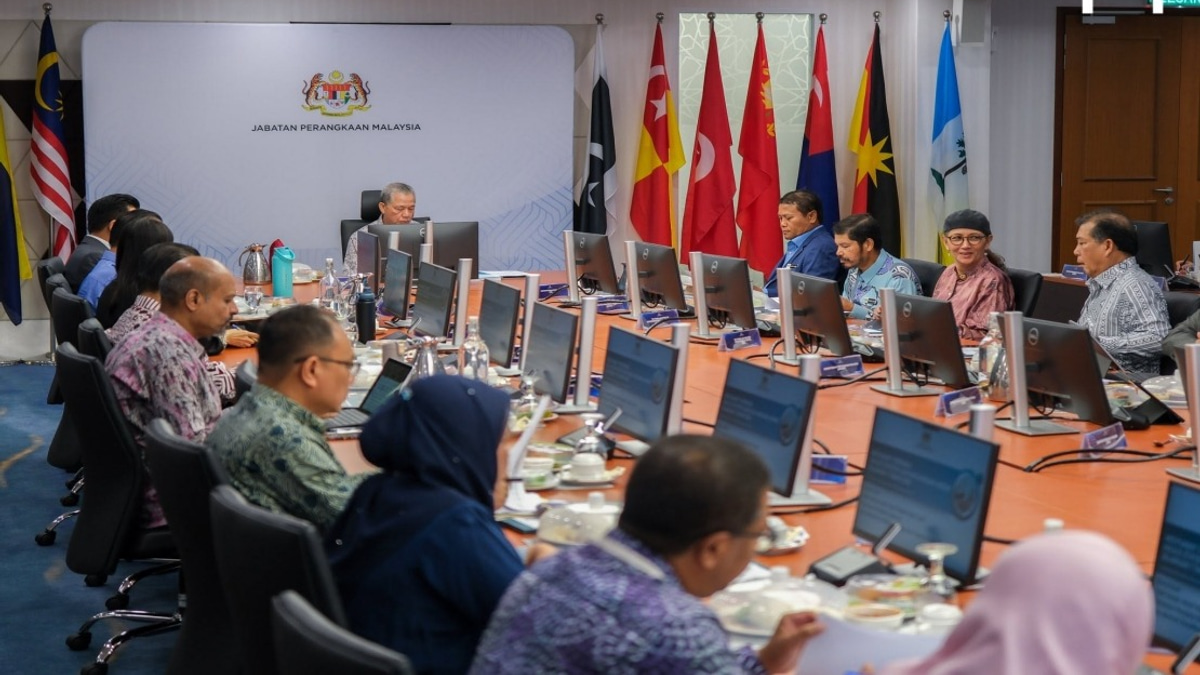
The supreme council meeting itself becomes a focal point for competing interests within Malaysian politics. Other parties within Perikatan Nasional will calculate how Bersatu's status affects their own positioning, resource allocation, and electoral prospects. Some parties may view Bersatu's potential departure as an opportunity to consolidate influence within the remaining coalition; others may fear that fragmentation would weaken PN's overall political competitiveness against rival coalitions.
This vote represents more than a technical procedural matter; it embodies fundamental questions about coalition sustainability in Malaysian politics. Whether Bersatu remains integrated within the PN framework or pursues alternative political arrangements will signal important lessons about managing ideological differences, power-sharing expectations, and the mechanisms through which Malaysian political coalitions negotiate their internal boundaries and membership criteria.