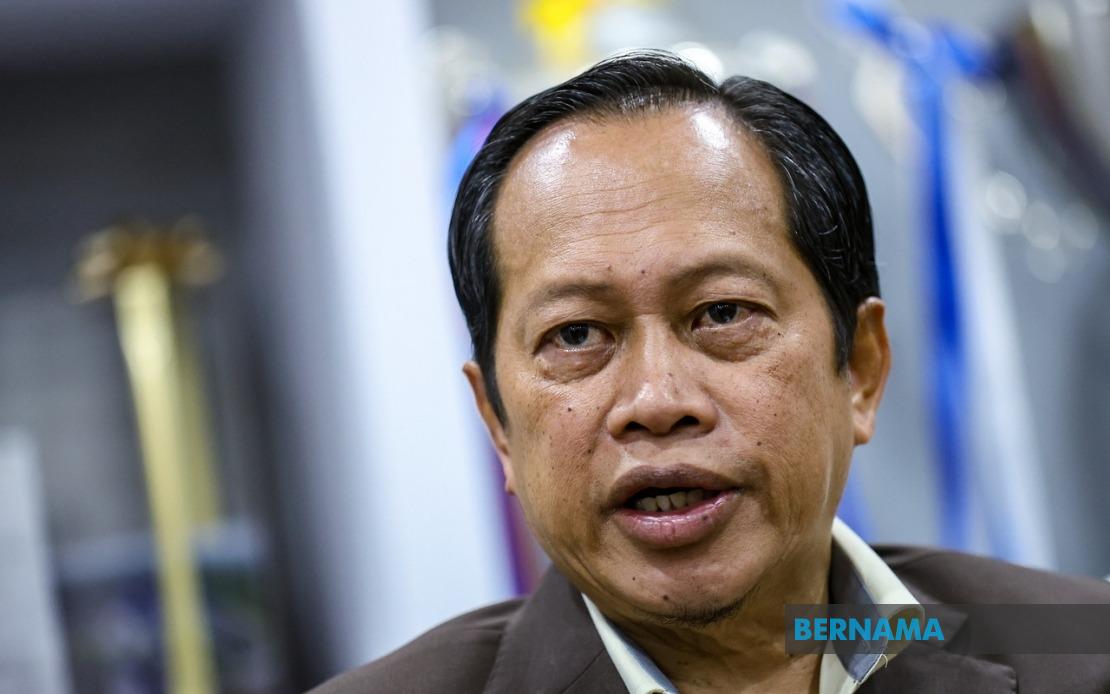
Datuk Seri Dr Ahmad Maslan, the deputy chairman of Johor Barisan Nasional and Deputy Works Minister, has put to rest weeks of speculation about his political plans by confirming he will not seek a state seat in the forthcoming Johor state election. The announcement, made during a visit to the Johor Public Works Department in Iskandar Puteri, represents a strategic decision that appears designed to clear the way for fresh candidates while maintaining his own parliamentary position.
The Pontian MP explicitly dismissed suggestions that he might contest either the Benut or Pulai Sebatang state assemblies, both within his parliamentary constituency. These two seats had been subject to considerable political chatter, with observers speculating that Ahmad's stature within the BN hierarchy might lead him to pursue additional representative roles at the state level. His unambiguous statement effectively closes that chapter of speculation ahead of nomination day.
Ahmad's reasoning reflects a broader perspective within BN about succession and opportunity in Malaysian politics. By stepping back from contesting state seats himself, he has signalled that his focus remains on consolidating his federal parliamentary position while allowing other party members to develop their own political profiles at the state assembly level. This generational approach—creating space for newer or less-experienced candidates to contest—addresses a common tension within established parties between entrenched leadership and the emergence of fresh faces.
The timing of this announcement carries particular significance given the imminent electoral calendar. The Election Commission designated June 27 as nomination day and set July 11 as polling day for the 16th Johor state election. Early voting will occur on July 7. This compressed timeline means that BN must finalise its candidate list quickly, and Ahmad's withdrawal from contention removes uncertainty from two constituencies within Pontian, allowing the party machinery to settle on alternative candidates without further delay.
Nevertheless, Ahmad has made clear that his non-participation in state-level contests does not signify a retreat from party activities. He has pledged to maintain an active supporting role for both BN and UMNO during the state election campaign. This distinction—between not contesting and not contributing—underscores the nuanced nature of Malaysian political involvement, where senior figures can exercise considerable influence without holding every available elected position. His participation in campaign activities, fund-raising, and strategic discussions will likely remain significant.
For BN's election machinery in Johor, Ahmad's decision offers both clarity and opportunity. The party can now focus on identifying candidates for Benut and Pulai Sebatang who might bring different qualities or appeal to their respective voter bases. In competitive constituencies, the selection of candidates can fundamentally shape electoral outcomes, and opening these seats to other contenders may permit BN strategists to deploy their resources more effectively across the state's 56 state assemblies.
The broader context of Johor politics cannot be overlooked. Johor has historically been a BN stronghold, though recent state elections have demonstrated the increasing competitiveness of the political landscape. The 2022 state election saw BN retain control but with a reduced majority compared to previous contests. Securing victory in the 2024 poll therefore represents a crucial test for the coalition's ability to maintain dominance in one of Malaysia's most developed and populous states. Every seat matters, and every candidate selection carries implications for the overall electoral strategy.
Ahmad Maslan's profile within the UMNO-led BN structure remains influential. As Deputy Works Minister responsible for public infrastructure matters that directly affect Johor's development, he maintains portfolio responsibilities that can generate visible political benefits for his constituency. His decision to concentrate on these federal-level duties and parliamentary representation while supporting state-level BN candidates represents a rational allocation of his political capital and time.
The announcement also reflects confidence within BN's Johor leadership that the party possesses sufficient depth of talent to contest the election without relying on any single figure to carry multiple seats. This confidence—whether justified or aspirational—projects an image of party strength and renewal. For voters and political observers, Ahmad's step back might be interpreted as either a demonstration of the party's bench strength or alternatively as a symptom of internal negotiations about resource allocation and position-holding.
Looking ahead to the July 11 polling day, BN will need to mount a comprehensive campaign across Johor's diverse constituencies, from urban areas like Johor Bahru to semi-rural and agricultural districts. The selection of candidates for Benut and Pulai Sebatang, now freed from speculation about Ahmad's involvement, will contribute to shaping that campaign narrative. Whether those constituencies are contested by up-and-coming UMNO members, experienced party hands seeking fresh opportunities, or candidates drawn from the broader BN component parties, the decision will reflect the party's strategic priorities.
Ahmad Maslan's confirmation that he will not contest has effectively settled one element of Johor's pre-election positioning, even as many other candidate announcements remain outstanding. His commitment to supporting BN and UMNO from the sidelines demonstrates that Malaysian political leadership extends beyond holding elected office, and that senior figures can exercise influence and shape outcomes through mentorship, strategic advice, and campaign participation. For the Pontian MP, maintaining his federal seat while channelling his energies into the party's broader state-level victory appears to be the chosen path forward.

%22%2F%3E%3C%2Fpattern%3E%3C%2Fdefs%3E%3Crect%20width%3D%22100%25%22%20height%3D%22100%25%22%20fill%3D%22url(%23ph40buhg)%22%2F%3E%3Crect%20width%3D%22100%25%22%20height%3D%22100%25%22%20fill%3D%22url(%23ph40buhp)%22%2F%3E%3Ctext%20x%3D%2250%25%22%20y%3D%2250%25%22%20text-anchor%3D%22middle%22%20dominant-baseline%3D%22central%22%20fill%3D%22rgba(255%2C255%2C255%2C0.95)%22%20font-family%3D%22Georgia%2C%20'Times%20New%20Roman'%2C%20serif%22%20font-weight%3D%22700%22%20font-size%3D%22320%22%20letter-spacing%3D%22-0.02em%22%3EGRS%3C%2Ftext%3E%3C%2Fsvg%3E)