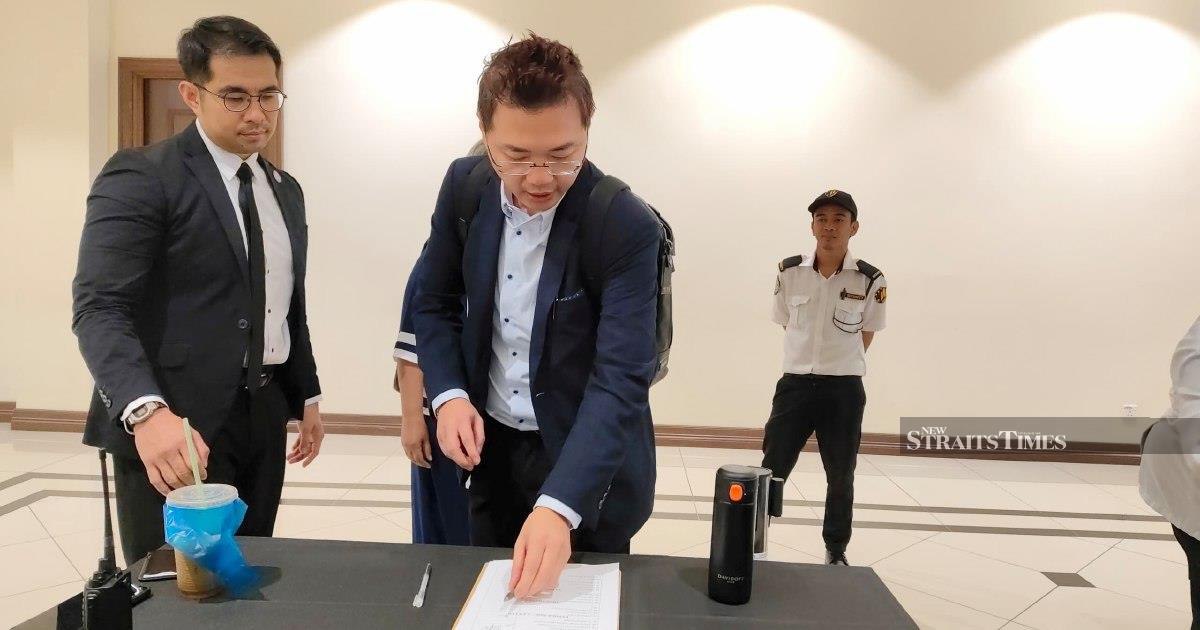
The Kota Kinabalu coroner's court heard testimony today highlighting the significant emotional toll that legal proceedings into a child's death can impose on bereaved parents. A psychiatrist provided evidence indicating that Noraidah Lamat, the mother of deceased Zara Qairina Mahathir, needed comprehensive emotional and psychological support during the inquest process, which has been examining the circumstances surrounding her daughter's passing. This expert observation underscores the profound human dimension often underlying court investigations, particularly those involving young victims.
Psychiatric evidence in such cases serves multiple functions within the Malaysian legal system. While the coroner's inquiry focuses on establishing facts—the who, when, where, and how of a death—the emotional consequences for family members remain central to understanding the full impact of loss. The psychiatrist's testimony illuminated how grief, uncertainty, and the adversarial nature of legal proceedings can compound psychological trauma for close relatives. For Noraidah Lamat, the combination of losing a daughter and undergoing a formal investigation into those circumstances creates a unique form of distress that extends beyond conventional grief.
The inquest process in Malaysia serves as a fact-finding mechanism distinct from criminal proceedings. Coroners examine evidence to determine the cause of death and, when relevant, identify factors that contributed to the fatality. However, this seemingly clinical process unfolds within an emotionally charged environment where family members must confront detailed accounts of their loved one's final moments. The presence of lawyers, witnesses, and the formal courtroom setting can intensify the psychological burden on grieving relatives, transforming what should be a private tragedy into a public examination.
Psychological support during inquest proceedings has become increasingly recognized as essential in jurisdictions across the Commonwealth, including Malaysia. Mental health professionals can help family members process grief while simultaneously engaging with the legal requirements of the inquiry. This dual support mechanism acknowledges that bereaved parents and relatives cannot reasonably be expected to maintain emotional equilibrium while absorbing potentially traumatic testimony and cross-examination. The psychiatrist's testimony in this case reflects contemporary best practices in victim support and family care during extended legal proceedings.
Noraidah Lamat's situation is not unique among Malaysian families navigating the coroner's system. Young deaths—whether sudden, unexplained, or tragic—generate intensive media attention and public interest, particularly when they involve circumstances that raise questions about institutional responsibility or oversight. This additional scrutiny, beyond the formal proceedings themselves, can magnify emotional distress and create secondary trauma as families see details of their loss circulated and discussed publicly. The psychiatrist's evidence acknowledges these compounding factors.
The formal recognition of emotional support needs within the court system also reflects broader societal shifts in how institutions approach vulnerability. Courts increasingly accept that factual investigation and human compassion are not opposing forces but complementary considerations. A coroner seeking complete understanding of circumstances leading to death benefits from engaging with family members who are emotionally stable and supported. Conversely, families require institutional acknowledgment of their suffering as a legitimate concern throughout proceedings.
In the Malaysian context, where cultural values emphasizing family bonds run particularly deep, the loss of a young person reverberates through extended family networks and communities. The inquest into Zara Qairina Mahathir's death thus carries implications beyond the immediate nuclear family, affecting grandparents, siblings, and wider kinship circles. The psychiatrist's testimony implicitly recognizes how Malaysian families understand and experience grief as a collective rather than purely individual phenomenon, with implications for how support should be structured.
The Kota Kinabalu coroner's court proceedings demonstrate how contemporary legal investigations must balance evidentiary requirements with humanitarian considerations. Medical and psychiatric professionals increasingly participate in inquests not merely as fact-witnesses but as commentators on the psychological dimensions of legal processes themselves. This interdisciplinary approach strengthens inquiries by ensuring that evidence gathering proceeds in a manner that preserves the dignity and wellbeing of those most intimately affected by the death under investigation.
Moving forward, the inquest will continue its systematic examination of the facts surrounding Zara Qairina Mahathir's death. However, the evidence presented today establishes that this factual investigation occurs within a human context requiring professional psychological intervention. For Malaysian legal practitioners and coroners, such testimony reinforces the necessity of incorporating mental health resources into investigative frameworks, ensuring that courts serve not only as institutions seeking truth but as spaces where bereaved families can find appropriate support during their most difficult period.

