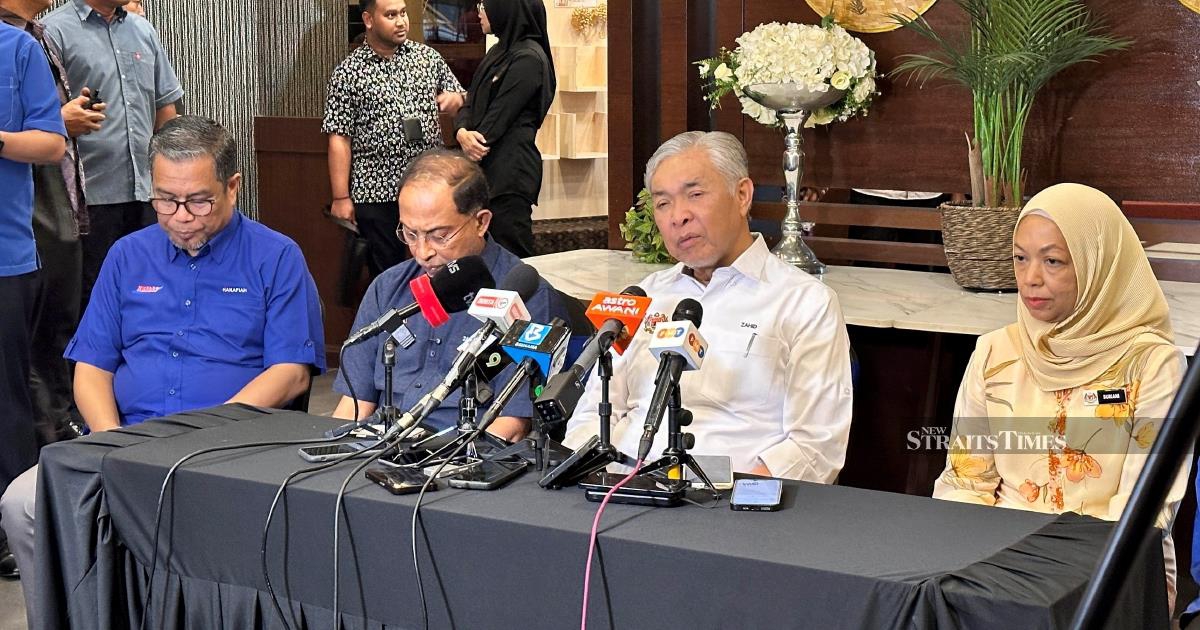
Barisan Nasional chairman Datuk Seri Dr Ahmad Zahid Hamidi has publicly criticised allies within the unity government coalition for incorporating imagery and references to Datin Seri Rosmah Mansor into their Johor election campaign strategy. The rebuke, delivered during campaign activities in Kluang, underscores growing friction among political partners over how to navigate controversial figures and past associations as they attempt to retain control of Malaysia's second-largest state by population.
The tension reflects deeper anxieties within the BN-Pakatan Harapan coalition regarding campaign messaging. The involvement of Rosmah Mansor, the former prime minister's wife who has faced numerous legal challenges and remains a polarising political figure, threatens to distract from the unity government's policy agenda and achievements. By cautioning allies against deploying such materials, Zahid appeared to signal that the coalition's electoral prospects are better served by focusing on future-oriented narratives rather than relitigating contentious episodes from the previous administration.
Johor represents a crucial battleground for the unity government's credibility. The state remains strategically important both economically and symbolically, and maintaining control there demonstrates the coalition's ability to govern effectively and sustain voter confidence. Any internal divisions over campaign tactics risk undermining that image of cohesion, particularly if disagreements spill into public view as they have done here.
The appearance of Rosmah Mansor in campaign materials raises uncomfortable questions for coalition partners. While Datuk Seri Najib Razak, her husband, remains a prominent BN figure and former prime minister, his administration and family have become synonymous with governance controversies that significantly damaged public trust in institutions. Attempting to draw on these associations in contemporary campaigns risks alienating voters who have moved beyond that political chapter or who actively prefer not to revisit it.
Zahid's intervention also reflects careful calibration within Barisan Nasional itself. The coalition requires broad appeal across diverse voter demographics, many of whom harbour reservations about personalities and administrations from the pre-2018 era. By publicly discouraging the use of such imagery, the BN chairman signals to the electorate that the current coalition represents a break from past approaches and is committed to standards of governance distinct from those of previous governments.
Pakatan Harapan components within the unity government face particular political constraints. These parties originally built electoral support through criticism of the previous administration and pledges to reform governance standards. Should unity government partners extensively promote figures associated with that administration, it creates cognitive dissonance for Harapan voters and undermines the coalition's reform narrative. This dynamic likely contributed to Zahid's warning, as maintaining Harapan support remains essential to the coalition's electoral viability.
The Johor campaign carries implications extending beyond the state itself. Malaysia's political system remains volatile, with coalitions fragile and subject to shifting voter sentiments. How effectively the unity government manages internal disagreements and presents a unified front in Johor will reverberate across the country and influence calculations about coalition stability elsewhere. Visible tensions, particularly over campaign strategy, can prompt opposition parties and potential coalition defectors to question whether the current arrangement can deliver sustained governance.
Historically, Malaysian voters have demonstrated willingness to punish coalitions perceived as internally divided or lacking coherent direction. The Johor electorate specifically has shown itself responsive to appeals centered on competent administration and clean governance rather than personality-driven politics. This creates an objective case for the unity government to emphasise policy achievements, infrastructure development, and administrative performance rather than relying on controversial personalities or historical references.
Zahid's rebuke also positions him as a disciplinarian within the coalition, attempting to enforce campaign discipline and protect the BN brand from what he evidently views as counterproductive tactics. This stance enhances his credibility as chairman and demonstrates willingness to enforce standards across the coalition. However, if such rebukes continue or intensify, they may indicate deeper structural problems within the unity government that extend beyond campaign messaging into fundamental questions about coalition compatibility and shared political vision.
The timing of these comments reflects Johor's approaching elections and the coalition's determination to demonstrate control and cohesion precisely when voter attention focuses most intently on state-level contests. Any appearance of internal discord risks being weaponised by opposition parties seeking to portray the unity government as unstable or lacking genuine commitment to reform and clean governance principles.
Looking forward, how Zahid's message is received by coalition partners will prove telling. Compliance suggests acceptance of BN-led coordination and shared commitment to unified campaign strategy. Resistance or circumvention of such guidance would signal deeper fractures and raise questions about the coalition's capacity to function effectively as a governing entity. For Malaysian voters monitoring coalition stability and governance prospects, the resolution of this tension warrants close observation as it speaks to whether the unity government can translate electoral coordination into substantive collaborative governance.

