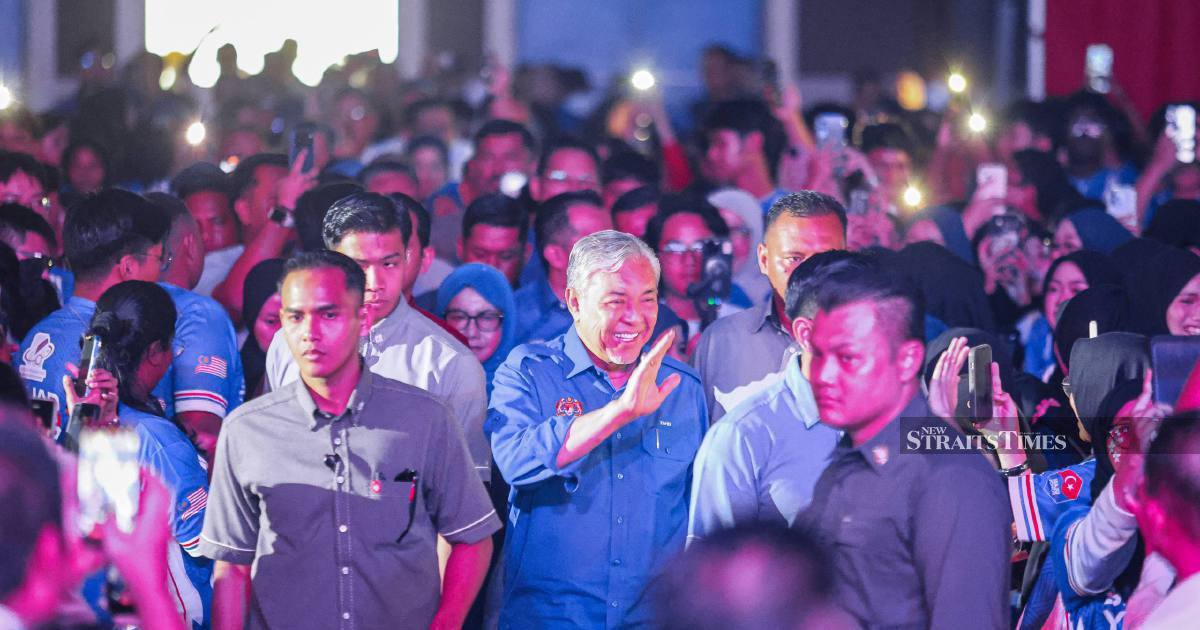
Johor's political landscape is taking shape ahead of the July 11 state election, with Barisan Nasional positioning caretaker menteri besar Datuk Onn Hafiz Ghazi as the coalition's central figure and calling on the state's younger voters to provide continued backing for his administration. The messaging reflects BN's strategy to consolidate support among a demographic group that will significantly influence the outcome in what is expected to be a competitive electoral contest.
The coalition's approach centres on framing the upcoming poll as a referendum on development and stability in Johor. By positioning Onn Hafiz as the face of BN's agenda in the state, party strategists are attempting to create continuity between his tenure as caretaker menteri besar and a potential full mandate. This narrative holds particular resonance in Johor, where economic activity and infrastructure projects have been key issues shaping voter sentiment in recent years.
Youth engagement represents a critical battleground in Johor politics. Younger voters tend to prioritize employment prospects, housing affordability, and educational opportunities—issues that intersect directly with state-level policymaking. By explicitly targeting this demographic, BN is signalling that its development platform speaks to the concerns of Johor's next generation of residents and workers. The coalition's messaging suggests that Onn Hafiz's continuity in office would provide the stability necessary for long-term economic planning and the creation of opportunities for young professionals.
Onn Hafiz has served as caretaker menteri besar following the dissolution of the state assembly, a period during which his administration has continued pursuing infrastructure and economic initiatives. His leadership during this interim phase has become a focal point for BN's campaign narrative. The coalition appears confident that his tenure has generated sufficient goodwill to warrant renewed public confidence, though this assumption will be tested at the ballot box.
The July 11 election arrives at a time when Malaysian voters have shown increasing willingness to make dramatic electoral shifts. Johor, historically a BN stronghold, has nonetheless experienced competitive contests in recent election cycles. Youth voters, in particular, have demonstrated openness to alternative political offerings, making their support neither guaranteed nor easily taken for granted. BN's explicit appeal to this constituency suggests party analysts view the youth vote as genuinely contestable territory.
Regional economic conditions add another layer of complexity to the electoral environment. As Malaysia's southernmost peninsula state, Johor's economic performance carries implications for regional growth and employment. Young voters are acutely aware that state-level governance affects their economic futures, whether through industrial policy, port and logistics development, or investor attraction. BN's messaging implicitly argues that its track record of managing Johor's economy and infrastructure justifies continued voter confidence.
The caretaker menteri besar's profile has evolved significantly since assuming office during the interim period. Onn Hafiz has maintained a visible public presence and attempted to project an image of capable, forward-looking governance. Whether this positioning translates into sufficient electoral support, particularly among youth voters accustomed to greater political competition and choice, remains an open question that will shape the July 11 outcome.
BN's reliance on youth messaging also reflects broader Malaysian political trends. Younger demographics have become more discerning in their electoral choices and more likely to base decisions on performance metrics and policy platforms rather than traditional party loyalty. This shift has compelled the coalition to articulate specific arguments for continued support rather than simply assuming inherited voter allegiances. The emphasis on development continuity represents BN's calculated response to this changing political landscape.
The state election carries implications extending beyond Johor's borders. As one of Malaysia's most significant states economically and demographically, Johor's electoral outcome will send signals about voter sentiment regarding national coalition politics and alternative political arrangements. A strong BN performance would reinforce the coalition's narrative of renewed relevance, while an unexpected result could accelerate realignment within Malaysia's competitive political system. For investors and businesses monitoring the regional environment, the election outcome will provide insight into the stability and policy direction of a crucial economic hub.
Looking toward July 11, both BN and opposition parties are intensifying their appeals to Johor voters across different demographics. The coalition's explicit focus on retaining youth support through Onn Hafiz's leadership represents a strategic bet that continuity, development performance, and generational messaging can overcome any structural disadvantages or voter dissatisfaction that might otherwise benefit rival political formations in this critical southern state.

