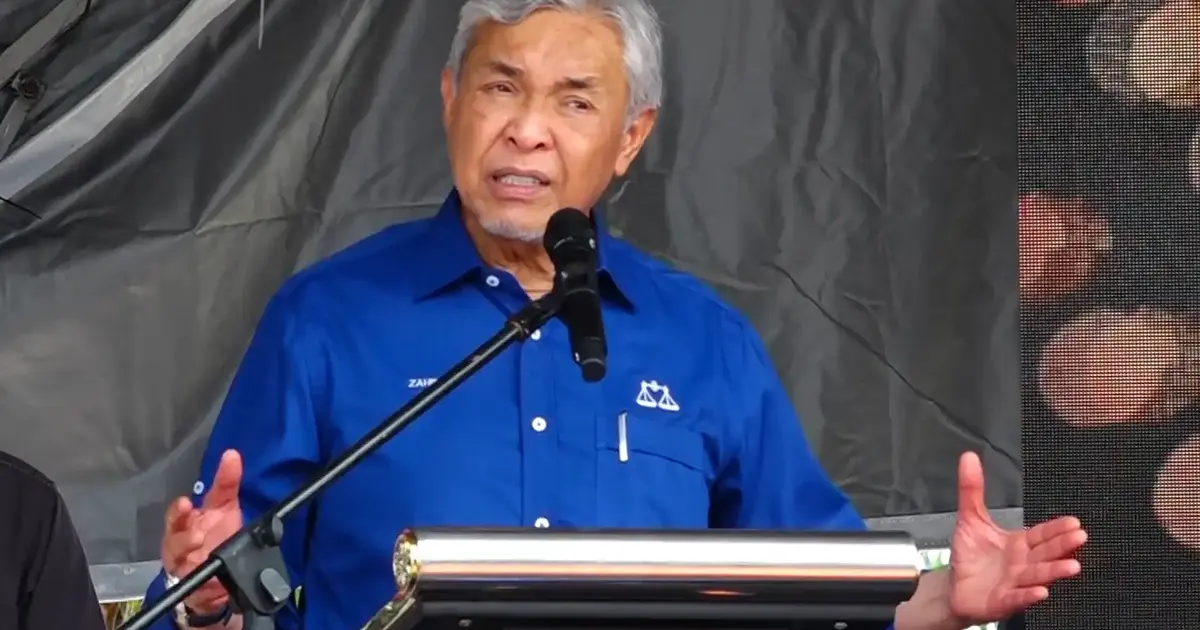
Ahmad Zahid Hamidi, the president of Umno, has called for the ruling coalition's campaign apparatus to set aside any observations or objections that former party leader Puad Zarkashi may raise regarding Barisan Nasional's candidates in the forthcoming Johor state elections. The directive reflects an effort by the senior leadership to maintain focus and momentum during what is expected to be a closely contested electoral contest in one of Malaysia's most significant electoral battlegrounds.
Zahid's instruction represents an internal management approach to what appears to be ongoing tension within Umno's upper echelon. Puad, who previously held the position of party leader before Zahid assumed the role, has evidently expressed reservations or commentary about the selection and suitability of some candidates put forward by the coalition for the Johor contest. Rather than engage with these criticisms through formal party channels or public debate, the current leadership has chosen to adopt a strategy of strategic disengagement.
This stance underscores the continuing complexities within Umno's internal politics, where generational and ideological differences between senior figures occasionally surface during campaign periods. The tension between Zahid and Puad reflects broader factional dynamics that have characterised Malaysia's largest Malay-Muslim party for several decades. However, Zahid's latest intervention suggests the party hierarchy is determined to prevent such internal discord from undermining the coalition's electoral prospects in Johor.
The Johor state election holds particular significance for Barisan Nasional, as the southern state remains one of the coalition's traditional strongholds. Victory or strong performance in Johor would provide crucial momentum heading into any future national electoral contests. The coalition's leadership cannot afford to allow internal dissent or competing narratives about candidate selections to distract from the primary objective of securing voter support and maintaining legislative control.
Puad's position as a former party leader gives his commentary potential weight within Umno's grassroots membership and wider public discourse. His willingness to articulate concerns about candidates suggests he may harbour reservations about strategic decisions made by the current leadership. Such public criticism from a senior figure, however tactfully expressed, risks creating confusion among party cadres about the legitimacy of the official slate and could provide ammunition to political opponents seeking to exploit internal divisions.
By instructing party machinery to essentially ignore Puad's commentary rather than respond to specific concerns, Zahid is signalling that the leadership considers these critiques unworthy of engagement rather than substantive critiques deserving discussion. This approach carries risks, as suppressing internal debate through dismissal can sometimes lead to deeper resentment among those who feel their concerns are being invalidated. However, it may also reflect calculation that addressing Puad's points directly would grant them greater legitimacy and media attention.
The Johor electoral contest takes on heightened importance given Malaysia's broader political trajectory over the past several years. The state has witnessed significant shifts in voter sentiment, with younger and more urban constituencies showing greater volatility in electoral preferences. Barisan Nasional's ability to retain control in its traditionally strong areas remains essential to the coalition's long-term viability as a political force.
Zahid's intervention also reflects the practical demands of modern campaign management. During intense electoral contests, party leadership requires clear message discipline and unified candidate support across all levels of the organisation. When senior figures with high public profiles begin articulating doubts about official candidates, it creates complications for the campaign machinery responsible for mobilising grassroots support and coordinating messaging across constituencies.
The incident illustrates how Malaysian political parties continue to balance the need for internal democratic processes and discussion against the pressure to present a monolithic public face during electoral campaigns. While Umno has experienced periods of robust internal debate and factional competition, these typically occur within party structures rather than through public statements that external audiences can interpret as signals of leadership weakness or strategic disarray.
Puad's background and experience within Umno suggests his commentary likely stems from genuine concerns about electoral viability or candidate quality rather than personal grievance. Nevertheless, Zahid's determination to sideline such concerns indicates the priority accorded to maintaining unity and forward momentum as polling day approaches. This reflects a broader understanding that coalition cohesion during campaign periods directly impacts electoral performance.
For Johor voters and the broader Malaysian electorate observing these developments, the exchange reveals ongoing dynamics within Barisan Nasional that shaped the coalition's performance in previous contests. The state election will provide important indicators about whether such internal tensions influence voting behaviour or whether party loyalties remain sufficiently strong to overcome leadership disagreements. The outcome in Johor could establish patterns that reverberate through Malaysian politics well beyond the immediate state contest.

