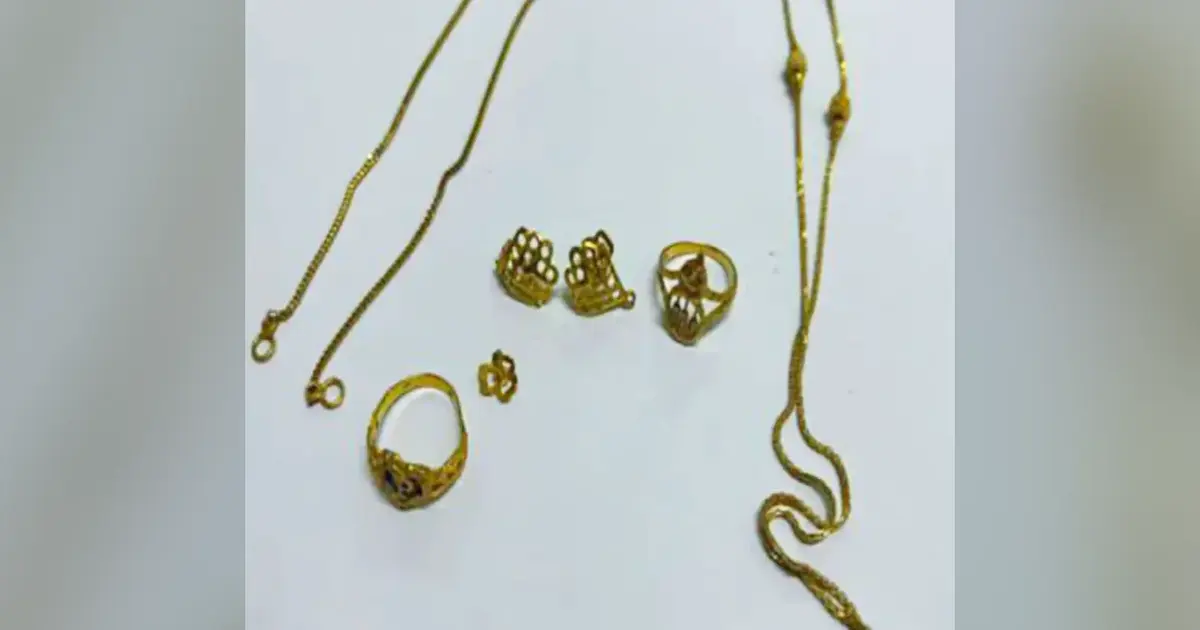
Law enforcement authorities have made arrests in connection with a welfare assistance fraud case that victimised an elderly woman of RM8,000 in jewellery, with investigators successfully tracking down the stolen items to a local pawnshop where they had been disposed of by the suspects.
The case highlights a troubling trend in Malaysia where vulnerable elderly citizens have become targets for cunning criminals who exploit their trust and desperation during times of financial hardship. Welfare aid scams of this nature typically involve perpetrators posing as government officials or representatives of legitimate assistance programmes, gaining the confidence of unsuspecting victims before manipulating them into handing over valuables or cash under false pretences.
The arrested woman and her two adult children are believed to have orchestrated the scheme, leveraging the victim's expectation of receiving financial support to convince her to surrender items of personal value. This particular approach—using the promise of welfare payments as bait—has proven effective across multiple communities in the country, as elderly individuals often prioritise immediate assistance for basic needs over protective scepticism.
Investigations revealed that once the perpetrators obtained the jewellery, they moved swiftly to convert it into cash by selling the items to a pawnshop, effectively severing the connection between the crime and its proceeds. This method of money laundering through second-hand dealers and pawnbrokers remains a significant challenge for law enforcement agencies seeking to recover victims' assets and trace criminal networks.
The successful recovery of the jewellery demonstrates the importance of coordination between police and local businesses in combating organised fraud. Pawnshops and similar establishments now face increased scrutiny from authorities and are being encouraged to maintain rigorous documentation of high-value transactions, though implementation remains inconsistent across the country.
For Malaysian elderly citizens and their families, such incidents underscore the critical need for greater awareness about common scam tactics targeting seniors. Many victims feel embarrassed about falling prey to these schemes and delay reporting to authorities, allowing perpetrators to move on to fresh targets. Community education programmes and family discussions about verification procedures before surrendering valuables could significantly reduce the number of successful fraud cases.
The implications for regional welfare distribution systems are substantial, as public confidence in government assistance programmes can be undermined when criminals misuse their symbols and promises. This creates additional barriers for genuinely vulnerable populations who become more sceptical of legitimate aid offers, potentially widening existing gaps in social safety nets across Southeast Asia.
Police investigations into this case are continuing to determine whether the suspects had targeted other victims or were part of a larger criminal network operating across multiple states. The arrested individuals are expected to face charges related to fraud, cheating, and potentially theft, with sentencing guidelines for such offences carrying imprisonment terms and substantial fines.
The arrest serves as a reminder that elderly Malaysians should always verify the legitimacy of welfare assistance offers through official government channels, never surrender valuables or cash to unverified callers or visitors, and immediately report suspicious contact to authorities. Family members are encouraged to maintain regular check-ins with elderly relatives and educate them about current scam methodologies circulating in their communities.
Moving forward, the police have called for increased public vigilance and urged individuals who encounter similar suspicious welfare-related solicitations to file reports immediately with the nearest police station or the Cyber Security and Online Safety Agency, ensuring that investigations can begin while evidence trails remain fresh and other potential victims can be identified and protected.

