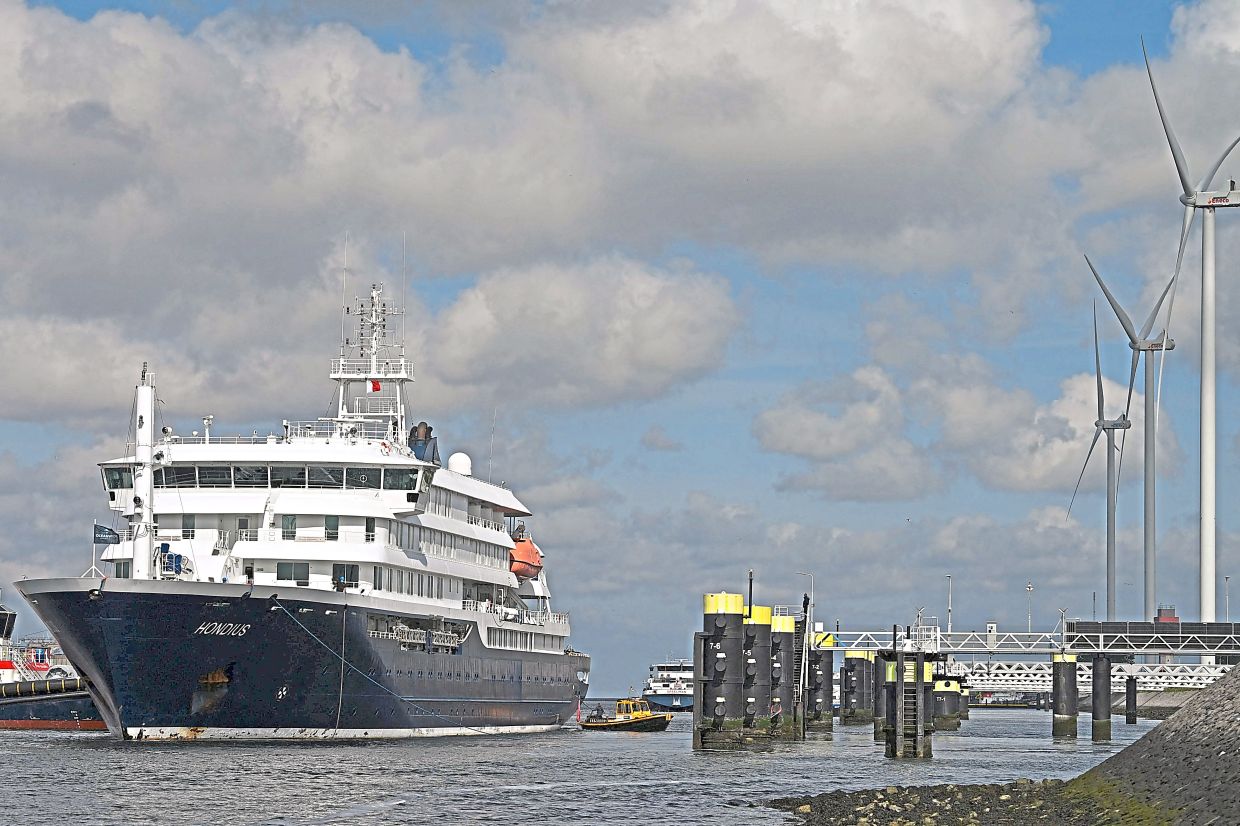
The World Health Organization has officially declared an end to a hantavirus outbreak that struck the polar expedition vessel MV Hondius, marking the conclusion of a public health crisis that triggered international alarm and coordination across more than 30 nations. WHO Director-General Tedros Adhanom Ghebreyesus announced the termination of the outbreak on July 2, 2026, when the final person exposed to the virus completed quarantine, tested negative, and was cleared to return home, bringing to a close one of the most closely monitored infectious disease incidents in recent years.
The outbreak associated with the Dutch-flagged cruise ship resulted in 12 confirmed cases and one probable case, with three deaths among passengers and crew members who had travelled aboard the vessel. The MV Hondius had embarked on an Antarctic and sub-Antarctic expedition departing from Ushuaia, Argentina on April 1, 2026, taking passengers to some of the world's most remote locations including the isolated Tristan da Cunha archipelago in the South Atlantic Ocean before proceeding northward toward the Canary Islands. The vessel was eventually diverted to Tenerife in Spain, where the remaining passengers were evacuated in a coordinated international response, and subsequently sailed to Rotterdam in the Netherlands on May 18, 2026, for comprehensive sanitisation procedures.
The epidemiological response to the crisis demonstrated the global nature of modern disease containment, with health authorities in 33 countries and territories identifying and monitoring more than 650 individuals who had potential exposure to the virus. No new cases emerged after May 25, 2026, a critical threshold that ultimately provided the foundation for WHO's declaration that the outbreak had been brought under control. The international coordination required to track contacts across such a vast geographic span underscores the challenges facing public health systems when infectious diseases spread through highly mobile populations such as cruise ship passengers and crew members.
Hantavirus represents a particularly challenging pathogen from a public health standpoint, as it is a rare infectious agent transmitted by rodents for which no approved vaccines or specific antiviral treatments currently exist. The Andes variety of hantavirus that caused the MV Hondius outbreak holds a distinction among known strains in its capacity to spread directly from person to person, unlike most other hantavirus species which require contact with infected rodent reservoirs. This human-to-human transmission capability significantly amplifies the outbreak risk and explains the rapid escalation of international concern when cases began emerging among cruise ship passengers and crew.
Despite the formal conclusion of the outbreak, scientists and public health experts view the episode as the beginning of substantial investigative work rather than its conclusion. The unusual nature of the outbreak, the international spread of cases, and questions about the original source of infection all warrant detailed examination. WHO has established a coordinated international research initiative encompassing 21 countries specifically designed to investigate how hantavirus disease develops in infected individuals, with the explicit aim of generating knowledge that can inform the creation of diagnostic tools, therapeutic interventions, and vaccine candidates for potential future outbreaks of this and related pathogens.
For Malaysia and other Southeast Asian nations, the incident carries important implications regarding pandemic preparedness and the vulnerabilities inherent in modern global tourism and transportation networks. Although hantavirus is not endemic to Southeast Asia, the rapid international dissemination of cases originating from a single cruise ship demonstrates how infectious diseases can transcend geographic and climatic boundaries within days or weeks. Malaysian health authorities and those throughout the region would need to ensure adequate surveillance capacity to detect and respond to unusual respiratory and haemorrhagic illness patterns that could signal the arrival of novel or re-emerging pathogens from distant regions.
The MV Hondius outbreak also highlights the specific risks associated with polar and remote expedition tourism, sectors that have expanded significantly across the Asia-Pacific region as prosperity increases and interest in adventure travel grows. Ships operating in Antarctic and sub-Antarctic waters often carry passengers and crew from numerous nations, creating conditions for rapid disease amplification and international spread before cases are even recognised as part of a coordinated outbreak. Enhanced screening protocols, isolation capabilities, and pre-departure health assessments have become standard expectations for vessels undertaking such voyages, yet the Hondius incident suggests that existing measures may require further refinement.
The three-month duration from initial outbreak detection to final case resolution illustrates both the extended timeline required for full epidemiological containment of person-to-person transmissible diseases and the resources demanded to maintain quarantine and monitoring protocols across multiple jurisdictions. The complexity increased substantially because many passengers and crew members had already dispersed to their home countries before the outbreak was formally recognised and declared, necessitating international cooperation for case identification, contact tracing, and clinical management. This scenario mirrors potential future outbreaks and underscores the importance of protocols enabling rapid information sharing and coordinated response among distant health systems.
Looking forward, the WHO's commitment to understanding hantavirus transmission dynamics and supporting vaccine development represents a prudent investment in pandemic preparedness. The Andes strain's documented capacity for human-to-human transmission, combined with the high mortality rate demonstrated during the Hondius outbreak, positions it as a potential pandemic threat requiring preventive countermeasures. The multi-country research collaboration also establishes frameworks and relationships that can be mobilised rapidly if similar outbreaks occur in future, reducing response time and improving clinical management protocols across participating nations.
The formal declaration of outbreak termination provides a moment to assess and improve existing systems while acknowledging that the underlying risks remain. Hantavirus continues to circulate in rodent populations globally, and human exposure remains possible wherever populations overlap with infected animal reservoirs. The emergence of cases aboard an international cruise ship, far from traditional hantavirus endemic areas, suggests either an unusual exposure event during the vessel's Antarctic expedition or unrecognised transmission chains in source regions. Resolving these questions through the WHO-coordinated research initiative will provide valuable insights applicable to other zoonotic pathogens with pandemic potential.

