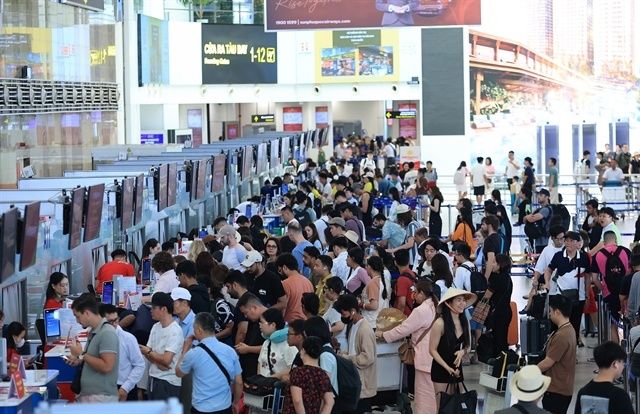
Vietnam has formally enacted sweeping passenger protection rules that will require domestic and international carriers operating in the country to compensate travellers for flight disruptions starting next month. Decree No. 208, unveiled this week by the government, represents a significant strengthening of consumer rights in Southeast Asia's aviation sector and establishes detailed procedures for how airlines must handle delays, cancellations, and schedule modifications.
The regulation classifies flight delays into two categories based on duration, with particular consequences attached to each tier. Airlines must now treat any departure occurring more than 15 minutes after the scheduled time as a delay subject to passenger protection measures. The decree further distinguishes what it terms a "long delay"—any postponement of four hours or longer—which triggers more substantial carrier obligations including mandatory compensation and accommodation provisions. This two-tiered approach reflects international standards while tailoring requirements to Vietnamese aviation conditions.
When carriers foresee delays, the decree imposes strict communication obligations that extend beyond simple notification to passengers. Airlines must not only inform travellers of the problem and provide an explanation but also ensure that airport authorities and terminal service operators receive updated departure information for public display. The regulation mandates that flight information boards be refreshed at minimum every 30 minutes, ensuring that passengers have consistent access to reliable scheduling data. This emphasis on transparency aims to reduce confusion and passenger frustration during disruptive events.
For delays exceeding two hours, carriers must provide tangible support to stranded passengers. Airlines can fulfil this requirement either by offering complimentary drinking water or issuing redeemable vouchers of equivalent monetary value. When delays extend beyond two hours during daytime hours—between 7am and 10pm—carriers must arrange appropriate rest facilities suited to each airport's available infrastructure. For overnight disruptions occurring between 10pm and 7am, the obligation escalates to providing sleeping or resting accommodation appropriate to local conditions, or securing passenger consent for alternative arrangements. These provisions directly address passenger comfort during extended waits.
The rebooking and rerouting framework represents another critical component of the decree, particularly when carrier negligence causes delays. Airlines must waive standard change fees and itinerary restrictions if the disruption stems from carrier fault, fundamentally shifting the financial burden from passengers to airlines. Passengers gain the explicit right to request rebooking on alternative services or rerouting through different carriers to reach their final destinations. This flexibility requirement means passengers need not accept whatever rebooking option airlines initially propose; they can negotiate alternatives to minimise travel disruption.
Schedule changes—where carriers alter the marketed departure time of a flight—receive specific treatment under the new rules. When changes advance or delay a flight by five hours or more, passengers gain robust options including ticket refunds, rebooking on alternative itineraries with adjusted departure times, or placement on alternative flights within 72 hours. However, carriers retain discretion when schedule adjustments fall within narrower windows: flights advanced by no more than four hours or delayed by no more than 15 minutes follow the airline's standard regulations rather than the decree's mandated protections. This graduated approach balances passenger rights with operational flexibility for minor timing adjustments.
Flight cancellations trigger the most stringent carrier obligations under Decree No. 208. The regulation specifically defines a cancelled flight as one not operated under a flight number for which at least one passenger held a confirmed seat and ticket, establishing clear criteria to distinguish genuine cancellations from other disruptions. Upon cancellation, carriers must immediately notify affected passengers, formally apologise, and explain the circumstances. When cancellation results from carrier fault—rather than extraordinary circumstances beyond airline control—passengers gain rights to full ticket refunds, rebooking on suitable alternative itineraries, or placement on other flights to reach final destinations, with all standard surcharges waived.
The Minister of Construction will issue supplementary guidance specifying technical details that the decree leaves open. These include determining non-refundable advance compensation amounts passengers may receive, establishing payment methods and deadlines for compensation disbursement, and defining carrier obligations regarding information publication and mandatory reporting when delays, cancellations, or boarding denials occur. This delegation to ministerial authority allows for iterative refinement based on industry consultation and emerging operational realities without requiring new legislation.
For Malaysian and Southeast Asian air travellers, Vietnam's new framework carries significant implications. The regulations establish precedent-setting protections that may influence policy discussions across the region, where passenger compensation frameworks remain inconsistent. Vietnamese carriers operating regional routes will face harmonised domestic and international obligations, potentially raising service standards across their networks. Passengers using Vietnamese carriers for connections through Southeast Asia gain clarity about their rights during disruptions, reducing uncertainty and dispute resolution complications. Furthermore, the decree's emphasis on transparent communication and prompt notification establishes benchmarks that regional competitors may eventually be pressured to match.
The implementation timeline beginning next month allows carriers approximately four weeks to adjust operational procedures, train staff on new communication protocols, and establish compensation processing systems. This relatively compressed implementation period reflects government determination to move swiftly from regulation to enforcement. Airlines operating in Vietnam will need to integrate compensation tracking into booking systems, establish dedicated passenger relations teams, and potentially increase operational budgets for delay-related expenses. The financial implications may prove substantial, particularly for carriers with histories of frequent delays or operational inefficiencies.
Industry observers anticipate that Decree No. 208 will likely influence competitive dynamics within Vietnamese aviation. Carriers with superior operational reliability and punctuality records gain marketing advantages, as their lower delay frequencies translate to reduced compensation exposure. Conversely, airlines with chronic delay problems face escalating financial pressures. This mechanism creates market incentives for reliability improvements beyond regulatory minimums. Over time, such competitive pressures should drive systemic improvements in schedule adherence, turnaround times, and operational planning across Vietnam's aviation sector.

%22%2F%3E%3C%2Fpattern%3E%3C%2Fdefs%3E%3Crect%20width%3D%22100%25%22%20height%3D%22100%25%22%20fill%3D%22url(%23ph40buhg)%22%2F%3E%3Crect%20width%3D%22100%25%22%20height%3D%22100%25%22%20fill%3D%22url(%23ph40buhp)%22%2F%3E%3Ctext%20x%3D%2250%25%22%20y%3D%2250%25%22%20text-anchor%3D%22middle%22%20dominant-baseline%3D%22central%22%20fill%3D%22rgba(255%2C255%2C255%2C0.95)%22%20font-family%3D%22Georgia%2C%20'Times%20New%20Roman'%2C%20serif%22%20font-weight%3D%22700%22%20font-size%3D%22320%22%20letter-spacing%3D%22-0.02em%22%3EGRS%3C%2Ftext%3E%3C%2Fsvg%3E)