Universiti Malaysia Terengganu (UMT) has moved to defend the credibility of Malaysia's public university admissions framework, responding directly to controversial allegations that have potentially damaged public trust in one of the country's most important institutional systems. The university's stance underscores a growing concern among Malaysian higher education institutions about the corrosive effects of unsubstantiated claims regarding student recruitment and institutional transparency.
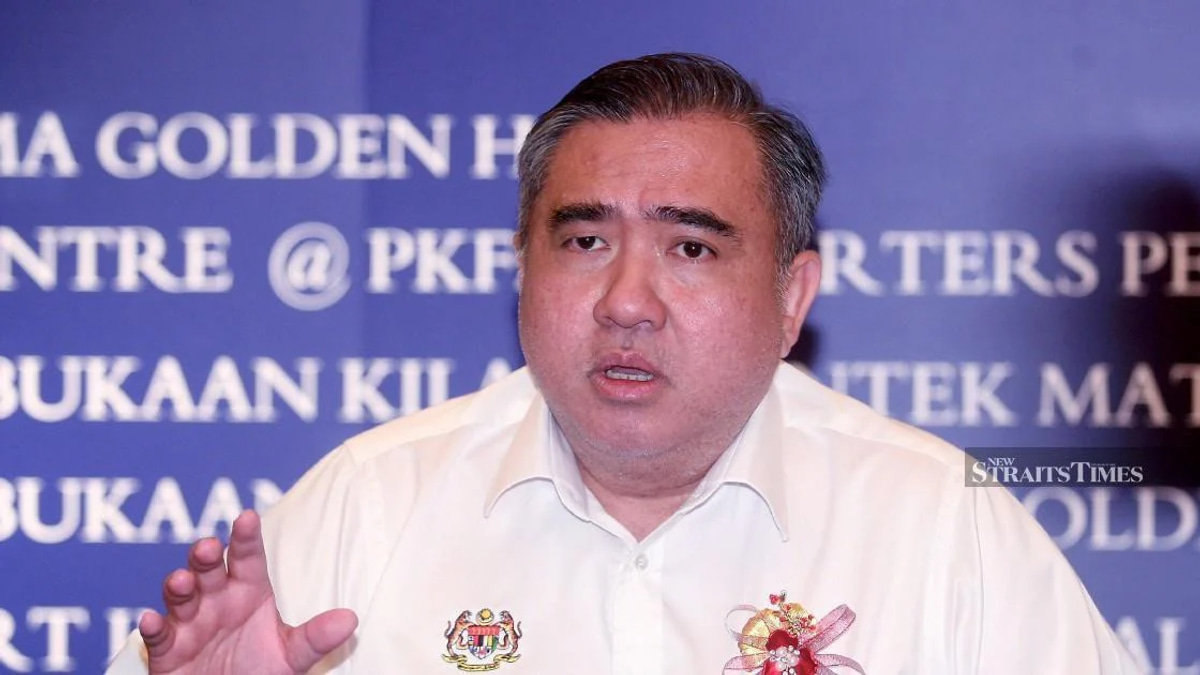
The controversy erupted following statements by Jitra assemblyman Dr Haim Hilman Abdullah, who claimed that university places at public institutions were available for purchase and that students lacking adequate academic credentials could gain admission through informal channels. These allegations, if left unchallenged, carry serious implications for how the public perceives the fairness and meritocratic integrity of Malaysia's tertiary education system—a system that has traditionally positioned itself as merit-based and transparently administered. For prospective students, parents, and employers alike, such claims undermine confidence in the credentials and legitimacy of degrees awarded by public universities.
Zukiferee Ibrahim, director of UMT's Corporate Communications Office, articulated the university's position in measured but firm language, emphasizing that the admissions architecture governing public universities operates within a defined regulatory framework established by relevant governmental authorities. This framework, he explained, incorporates multiple checks and transparent mechanisms designed to ensure that student selection reflects established academic criteria and institutional policies. The deliberate invocation of regulatory oversight signals UMT's confidence that existing systems, when examined closely, would vindicate current practices rather than expose systemic corruption.
Beyond the immediate institutional stakes, the allegations raised by Dr Haim Hilman Abdullah carry broader implications for Malaysia's higher education sector and its international standing. Research institutions around the world increasingly evaluate universities partly on the perceived integrity of their admissions processes. Accusations of backdoor entry or commercialized access to university places can damage institutional reputation far beyond Malaysia, potentially affecting global rankings, international student recruitment, and partnerships with foreign universities. For Malaysian students seeking opportunities abroad, questions about the integrity of their domestic qualifications could have unanticipated consequences.
The decision by UMT's management to file a police report represents an escalation that reflects the gravity with which the institution regards these allegations. Rather than dismissing the claims through media statements alone, the university has pursued formal legal channels, enabling what officials described as a professional, independent, and comprehensive investigation. This approach suggests that UMT is confident that factual scrutiny will reveal the allegations to be baseless, while simultaneously signaling that institutional reputation is sufficiently at stake to warrant police involvement and the prospect of defamation proceedings.
The timing of these allegations also warrants consideration. Public discourse around university admissions periodically surfaces concerns about fairness and access, particularly in Malaysia where regional, ethnic, and socioeconomic disparities can influence educational outcomes. However, such concerns are most productively addressed through transparent data disclosure, independent audits, and public forums rather than blanket accusations without specified evidence. The distinction matters because unfounded allegations can harden public skepticism regardless of whether subsequent investigations prove them wrong.
For prospective students and their families navigating the Malaysian higher education landscape, the episode underscores the importance of consulting official admissions guidelines and seeking clarification directly from institutions rather than relying on third-hand rumors or unsubstantiated political commentary. The University Malaya Appointment Committee (UMAC) and the centralized admissions portal represent the official mechanisms through which public universities fill their student cohorts, and their operations have been subject to public scrutiny and periodic review.
The broader educational ecosystem also faces challenges in responding to such allegations. Unlike some professional sectors where misconduct, when discovered, generates immediate systemic reforms, universities must balance the presumption of integrity with openness to legitimate criticism. The risk is that either excessive defensiveness or insufficient transparency can erode public confidence. UMT's emphasis on the transparency and orderliness of existing mechanisms seeks to thread this needle—acknowledging legitimate public interest while asserting that current systems already embody the safeguards people expect.
Southeast Asian universities increasingly compete in regional and global markets, and institutional reputation has become a competitive asset. Countries like Singapore and Thailand have invested heavily in positioning their universities as transparent, meritocratic institutions within the region. For Malaysia to maintain its position as a regional higher education hub, sustaining public confidence in the integrity of its public universities remains essential. Allegations of corruption, even if ultimately unproven, carry cumulative reputational costs that extend beyond individual institutions.
The resolution of this controversy—through whatever investigative process now unfolds—will likely establish precedents for how Malaysian public universities respond to future allegations of admissions impropriety. If the police investigation conclusively demonstrates that the claims lack substantiation, it may also establish grounds for defamation findings that would deter similar unfounded accusations. Conversely, should the investigation uncover any genuine irregularities, it would provide opportunities for systemic remediation and increased procedural safeguards. Either outcome has value, though clearly different implications.
Looking forward, Malaysian public universities might consider whether additional transparency measures—such as periodic public reporting on admissions statistics disaggregated by academic qualifications, ethnicity, and state of origin—could preempt such allegations by making the system's actual operations more visible to public scrutiny. Such transparency would also serve legitimate public interest in understanding whether admissions policies are achieving stated objectives regarding equity and meritocracy. For now, UMT's reaffirmation of its commitment to institutional integrity, coupled with formal investigation of the allegations, represents a measured institutional response designed to protect both current and future students from the corrosive effects of unsubstantiated claims.

%22%2F%3E%3C%2Fpattern%3E%3C%2Fdefs%3E%3Crect%20width%3D%22100%25%22%20height%3D%22100%25%22%20fill%3D%22url(%23ph40buhg)%22%2F%3E%3Crect%20width%3D%22100%25%22%20height%3D%22100%25%22%20fill%3D%22url(%23ph40buhp)%22%2F%3E%3Ctext%20x%3D%2250%25%22%20y%3D%2250%25%22%20text-anchor%3D%22middle%22%20dominant-baseline%3D%22central%22%20fill%3D%22rgba(255%2C255%2C255%2C0.95)%22%20font-family%3D%22Georgia%2C%20'Times%20New%20Roman'%2C%20serif%22%20font-weight%3D%22700%22%20font-size%3D%22320%22%20letter-spacing%3D%22-0.02em%22%3EGRS%3C%2Ftext%3E%3C%2Fsvg%3E)