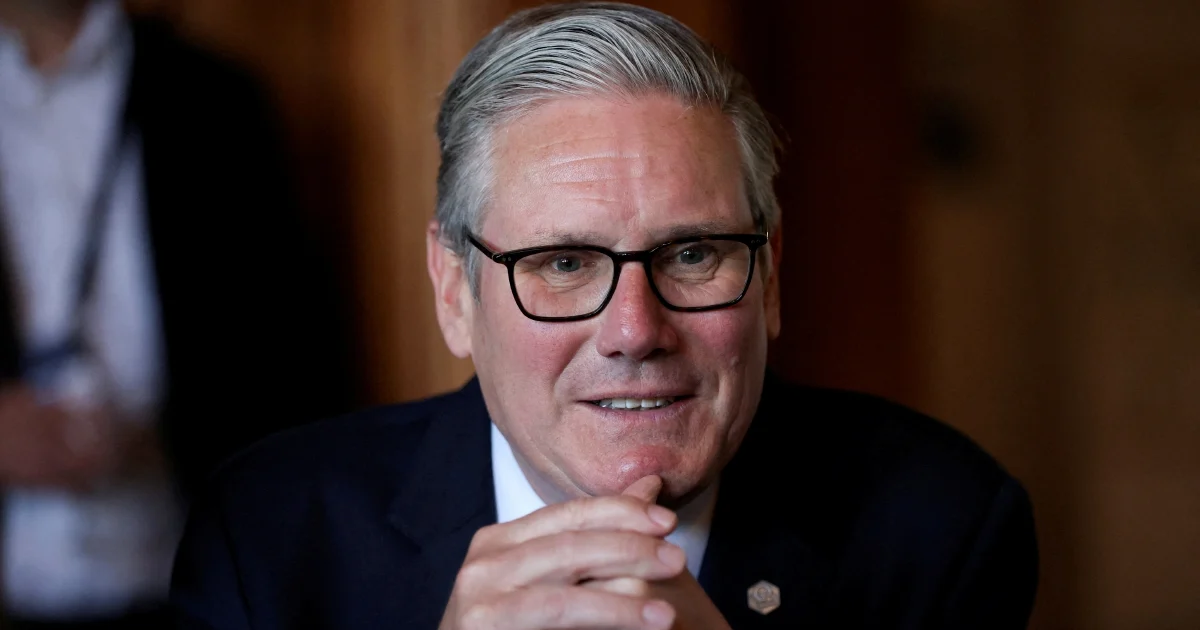
British Prime Minister Keir Starmer has found himself at the centre of conflicting narratives about his political future, after a prominent national newspaper suggested he was preparing to step down from his position. The Observer, one of the United Kingdom's most influential weekend publications, reported that Starmer was anticipated to announce his resignation on Monday, complete with a predetermined schedule outlining when he would formally leave office. The report struck at a sensitive moment in British politics, where the government has faced mounting pressure over various policy decisions and public sentiment has grown increasingly critical.
However, contradicting the newspaper's account, a spokesperson from the Prime Minister's office moved swiftly to quash the resignation narrative. According to officials close to Starmer, the Prime Minister remains wholly committed to his responsibilities and continues to direct his energies toward the substantive work of governing the nation. This categorical denial from the government's inner circle stands in marked contrast to the Observer's assertion, creating a puzzling divergence between what the newspaper claimed to have learned and what the Prime Minister's team is stating for the record.
The emergence of such resignation speculation reflects the intense scrutiny that contemporary British politics places on senior figures, particularly when governance challenges accumulate or public approval ratings decline. For Starmer specifically, the rumours surface against a backdrop of various domestic and international complications that have tested his administration's resolve. The fact that a reputable publication felt confident enough to report such a significant political development suggests there may be underlying anxieties within certain circles about the sustainability of his leadership, even if the specific claim about imminent resignation lacks verification.
The dynamic between media reporting and government denial in this instance illuminates a broader tension in modern political communication. Newspapers sometimes operate on unconfirmed intelligence from sources who may have their own agendas, whilst governments are incentivised to downplay signs of instability or fracture within their leadership. Starmer's team has evidently decided that the most effective response is to present a united front emphasising continuity and forward focus, rather than engaging in prolonged disputation about the sourcing or accuracy of the Observer's reporting.
For Malaysian and regional observers watching British politics, such episodes offer insights into how Westminster operates during periods of governmental stress. British political culture permits and even encourages vigorous scrutiny of leaders, and resignation speculation, whether grounded or speculative, forms part of the regular cadence of political commentary. The speed with which such stories circulate and the intensity of media coverage reflect the deep institutional mechanisms through which power is contested and defended in the British system.
Starmer's situation demonstrates that even prime ministers commanding parliamentary majorities can face sudden and potent challenges to their authority, often emanating from unexpected quarters. The Observer's decision to publish suggests that someone within or proximate to government circles believed the information sufficiently reliable to warrant publication, yet the government's forceful rebuttal indicates that either the reporting was inaccurate, or that Starmer himself has opted to remain in post despite whatever private considerations may have prompted the original speculation. This dissonance between what may have been privately discussed and what is being publicly maintained underscores the gap between internal deliberations and public positioning in contemporary governance.
The political implications of such a story, whether true or false, merit careful consideration. If resignation plans were genuinely under consideration and then abandoned, it might suggest that Starmer encountered persuasive reasons—whether from within his cabinet, his party, or international allies—to change course. Alternatively, if the report was simply inaccurate or based on misunderstandings, it nonetheless serves to amplify existing questions about his political durability and the confidence of his government. Either way, the episode provides a reminder of how fragile political positions can be, particularly for leaders governing through turbulent periods.
Observer reporters and editors presumably believed they had sufficient grounds to publish such a significant claim, which raises questions about what triggered the story and why it emerged at this particular juncture. In British journalism, weekend newspapers often publish stories that have been developed throughout the week, and the timing of this revelation may itself be strategically significant, though without knowing the precise sourcing it is difficult to draw firm conclusions about who might benefit from such reporting or denial.
Moving forward, Starmer's explicit reaffirmation of his commitment to governing suggests he intends to weather whatever political storms prompted the resignation speculation. Whether the underlying pressures that allegedly generated such consideration have been resolved, ameliorated, or merely set aside remains unclear. What is certain is that the Prime Minister has now placed himself on record as focused and determined to continue his leadership, and any future developments regarding his political status will necessarily be interpreted through the lens of this public declaration.