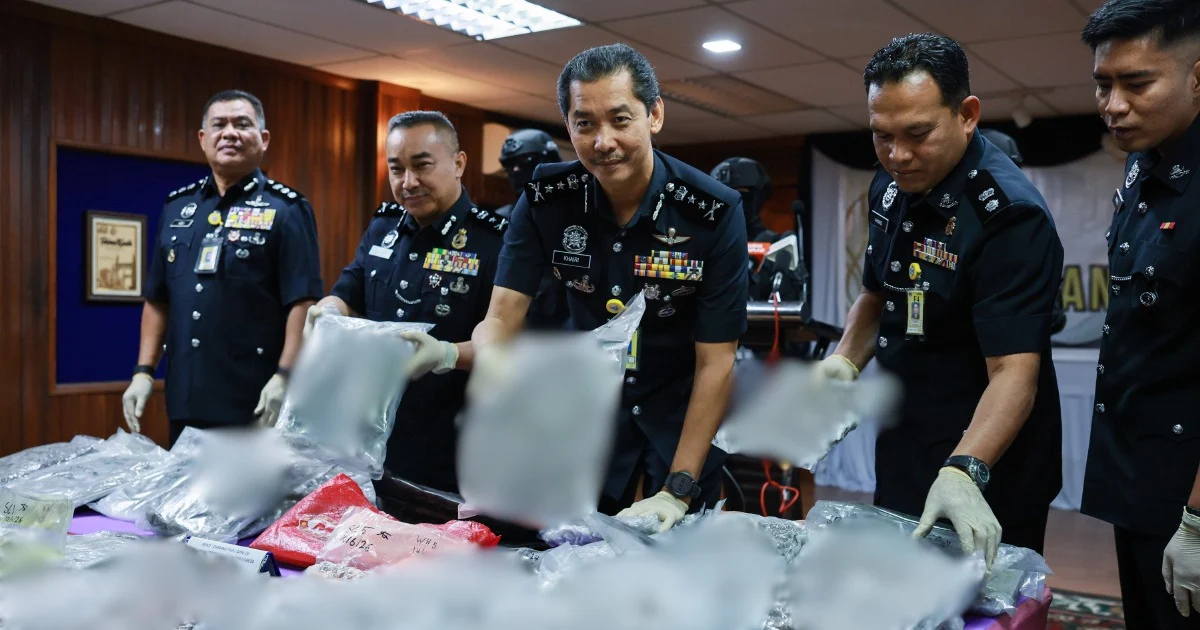
Authorities in Kuala Terengganu have made a significant narcotics seizure following the arrest of two brothers who allegedly operated a drug storage operation from their family home in Kampung Duyong Besar. The drugs confiscated during the operation carry an estimated street value of RM1.76 million, underscoring the scale of trafficking activity that unfolded in this coastal Terengganu town.
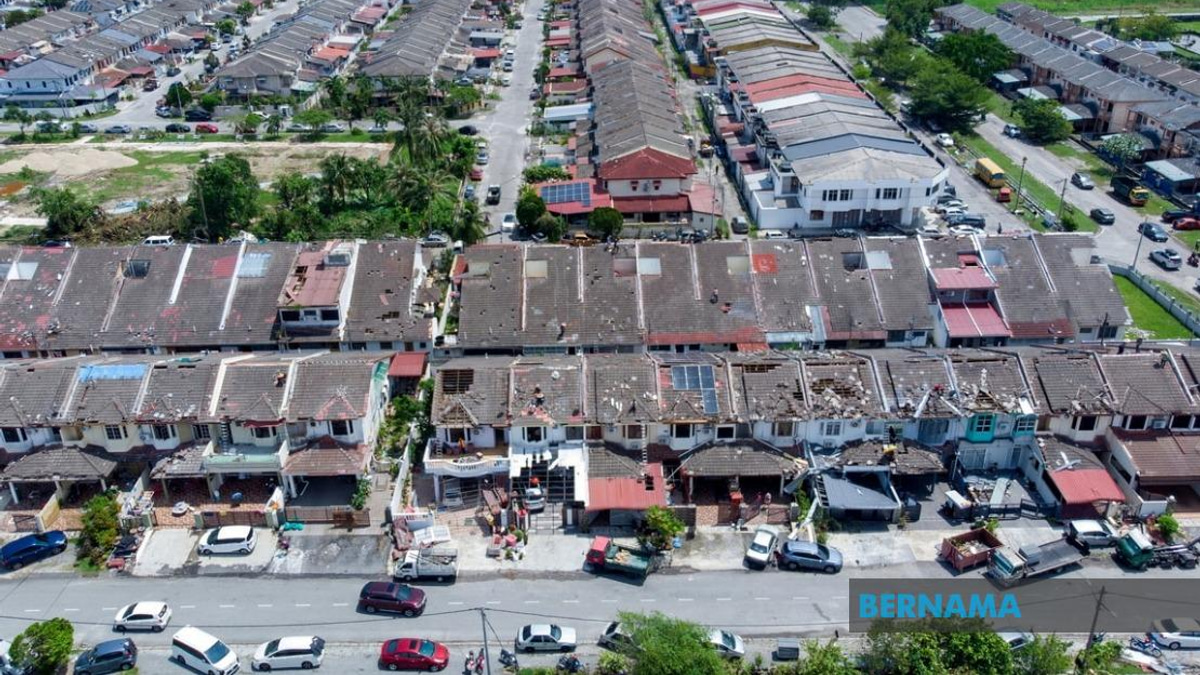
The residential property, situated in a residential area of Kampung Duyong Besar, was converted into what police suspect was a major distribution hub for narcotics intended for onward sale across the region. The systematic nature of the operation—establishing a storage facility within a residential setting rather than an obvious commercial location—demonstrates the evolving sophistication of drug trafficking networks operating throughout Malaysia. Such domestic bases allow traffickers to maintain lower profiles while managing inventory and coordinating supply chains.
This arrest underscores the persistent challenge of drug trafficking along Malaysia's east coast, where proximity to maritime routes and relatively porous borders with Thailand have historically made states like Terengganu vulnerable to narcotics smuggling. The establishment of storage facilities in civilian homes, rather than commercial warehouses, reflects how traffickers adapt operational methods to evade detection by law enforcement. The casual appearance of such premises makes them particularly difficult to identify through routine patrols or intelligence gathering.
The involvement of family members in such operations, while not uncommon in Southeast Asian drug networks, often indicates deeper integration within trafficking hierarchies. Brothers working together suggest long-standing family involvement in illegal narcotics commerce, potentially spanning years of undetected activity before authorities closed in on this operation. Understanding these family-based networks has become crucial for police forces seeking to dismantle trafficking organisations at their roots rather than merely arresting street-level operatives.
For Malaysian law enforcement agencies, this seizure demonstrates continued efforts to interdict major drug shipments before they flood the domestic market. The RM1.76 million valuation, calculated at retail street prices, represents substantial quantities of controlled substances that would have generated considerable social harm had distribution proceeded unimpeded. The volume and value suggest this was not a small-scale operation but rather a significant node within a larger trafficking network.
The case reflects broader regional dynamics where Malaysia serves as both a transit point and end-market for narcotics originating from the Golden Triangle and other production zones. The affluence of Malaysian cities, combined with relatively high purchasing power compared to neighbouring countries, makes Malaysia an attractive destination for traffickers seeking to establish distribution networks. Residential-based storage facilities offer operational advantages, including reduced overhead, less conspicuous activity patterns, and plausible deniability regarding the purpose of the premises.
Beyond the immediate criminal charges the brothers face, this operation highlights how neighbourhood-level surveillance and community information represent underutilised intelligence resources. Many drug storage facilities operate in plain sight for extended periods because neither neighbours nor local authorities possess sufficient awareness to recognise suspicious patterns of activity. Enhanced community engagement and neighbourhood watch initiatives could complement traditional enforcement approaches.
The investigation and arrest process itself offers insights into how police develop cases against trafficking organisations. Identifying residential drug storage facilities typically requires sustained surveillance, informant intelligence, or a combination of both. Once authorities locate such operations, the evidence gathering becomes methodical—documenting quantities, analysing substance composition, and tracing connections to supply and distribution networks. The specific valuation of RM1.76 million suggests detailed chemical analysis and market pricing assessments were conducted.
This Terengganu bust arrives amid broader intensification of anti-narcotics operations across Malaysia, with federal and state agencies increasingly targeting mid-tier traffickers who control significant inventory. The sustained focus on such operations reflects recognition that disrupting supply chains at the storage and distribution level produces greater impact than focusing exclusively on retail-level dealers. The two brothers' arrest and the consequent seizure represent measurable progress in this strategic approach, even as transnational trafficking networks continue adapting to enforcement pressure throughout the region.