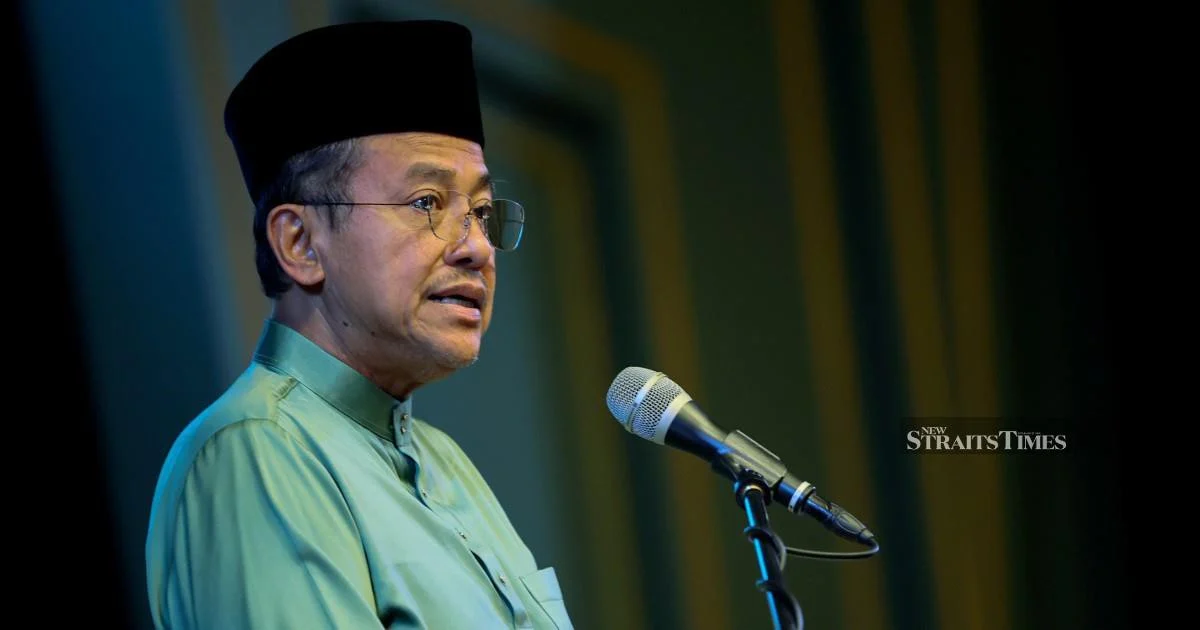
The Perikatan Nasional leadership council is set to examine Bersatu's standing within the coalition framework during a high-level meeting scheduled for tomorrow, according to senior PAS figure Datuk Seri Dr Ahmad Samsuri Mokhtar. The session in Temerloh comes as the influential opposition alliance faces ongoing questions about internal coherence and the role of Bersatu, which joined the coalition after a period of political realignment in recent years.
The timing of the gathering suggests the PN leadership recognises a need to clarify positions on core issues that may affect the coalition's strategic direction. Such comprehensive review sessions typically indicate that coalition partners are navigating significant questions about resource allocation, campaign priorities, or alignment on key political positions. The decision to convene the council demonstrates that PN's senior figures believe formal discussion is necessary to maintain the coalition's unity and forward momentum.
Bersatu's position within PN has been subject to periodic scrutiny throughout the coalition's evolution. The party's trajectory and influence within the broader alliance have influenced how PN presents itself to voters and coordinates across different state and federal levels. Understanding where Bersatu stands in relation to other coalition members—particularly PAS, which holds considerable organisational strength—remains essential for PN's operational effectiveness and public positioning.
For Malaysian political observers, the significance of such meetings extends beyond internal coalition management. PN functions as the primary opposition force in federal parliament and holds considerable influence in several state governments. The stability and clarity of its internal structures therefore carry implications for parliamentary dynamics and the broader political landscape. A coalition that operates with transparent understandings about each member's role tends to present a more credible alternative government to Malaysian voters.
The involvement of PAS, through Dr Ahmad Samsuri's confirmation of the meeting, underscores the Islamist party's central role in PN's architecture. PAS commands substantial grassroots networks, particularly in rural and semi-urban areas, and its alignment with Bersatu affects how effectively PN can mobilise support across different demographic segments. The willingness of PAS leadership to discuss Bersatu's position publicly suggests confidence in addressing coalition questions openly.
Bersatu itself emerged as a significant political force following the 2018 general election and subsequent shifts in Malaysian politics. The party's evolution has been marked by internal transitions and strategic repositioning. Its inclusion in PN represented an attempt to create a cohesive opposition force capable of challenging the federal government across multiple fronts. How Bersatu contributes to that vision—whether through parliamentary performance, state-level governance, or grassroots mobilisation—inevitably shapes the coalition's overall effectiveness.
The leadership council's agenda suggests that PN is thinking strategically about its positioning as the country approaches the next major electoral cycles. Malaysian electoral calendars increasingly feature state elections interspersed with federal contests, requiring coalitions to maintain consistent messaging and coordination. Clarifying internal roles helps prevent the kinds of public disagreements that can undermine opposition credibility in voters' eyes.
Regional dynamics also matter in this context. Southeast Asia's opposition movements often struggle with coherence and internal management. PN's ability to maintain functional unity despite inevitable disagreements between partners with different ideological orientations and organisational cultures constitutes a significant political achievement. Tomorrow's meeting represents part of the ongoing work required to sustain that unity.
For political observers in Malaysia and the broader region, the substance of discussions around Bersatu's position likely touches on several dimensions. These may include the party's parliamentary contribution, its performance in state governments where PN holds power, resource and nomination allocation for future elections, and ideological alignment on key policy matters. Such questions are typical in any multi-party coalition but take particular importance in PN's case given the ideological diversity of its membership.
The fact that Dr Ahmad Samsuri felt prompted to announce the meeting publicly suggests the PN leadership believes demonstrating active engagement with internal cohesion strengthens rather than weakens the coalition's public standing. This represents a deliberate communication choice, signalling to party members and supporters that coalition leadership takes partnership issues seriously and addresses them through established structures rather than allowing tensions to simmer unresolved.
Looking forward, the outcomes of tomorrow's council session will likely reverberate through PN's operations at federal and state levels. Clear decisions about Bersatu's role help individual party members understand their responsibilities and reduce the scope for miscommunication that could embarrass the broader coalition. The meeting also provides an opportunity for leadership to align messaging on major political questions that may dominate public discourse in coming weeks.