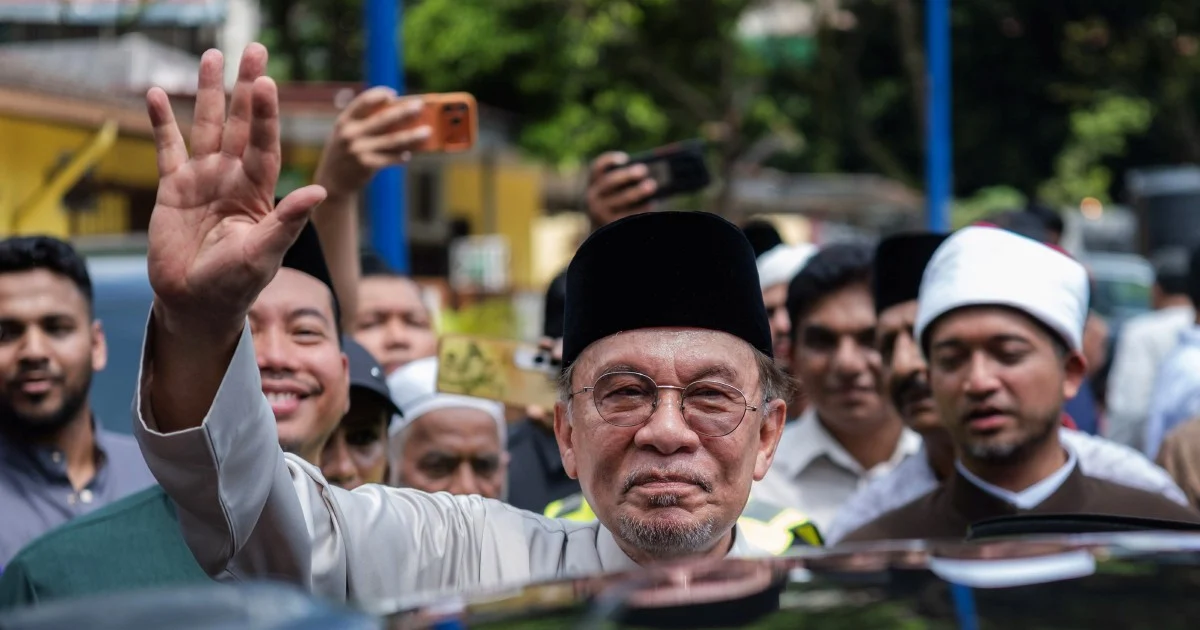
The Johor state election is entering its most intensive phase as Prime Minister Anwar Ibrahim, Deputy Prime Minister Zahid Hamidi and other senior figures from across the political spectrum prepare to blanket the state during a busy weekend of rallies and community forums. This concentrated show of force from the nation's top leadership underscores the strategic importance of Johor, a state that has historically played a pivotal role in determining overall electoral outcomes at both state and federal levels.
The arrival of multiple major political figures within a short timeframe reflects the tightened campaign schedule as polling day draws closer. Both the ruling coalition and opposition parties are deploying their most recognisable personalities to maximise voter engagement and media coverage in key battleground constituencies. For Johor residents, this weekend represents an opportunity to hear directly from national-level politicians about their vision for addressing local concerns, from infrastructure development to cost-of-living pressures that resonate across Malaysia.
Johor's electoral significance extends beyond its 26 state seats. As one of Malaysia's largest and most economically developed states, the outcome carries implications for the broader political landscape and could shift calculations within federal coalition arrangements. The state's demographic diversity—encompassing urban centres like Johor Baru, significant Chinese and Indian communities, and traditional Malay-majority areas—means that campaign strategies must address multiple constituency interests simultaneously.
The intensification of campaign activity this weekend signals that both major political blocs view Johor as genuinely competitive territory. While Barisan Nasional has traditionally held strong ground in the state, the political realignments of recent years have created conditions where opposition parties believe they can make meaningful inroads, particularly in urban and semi-urban constituencies where voter sentiment has shifted. The presence of top national leaders suggests that party strategists have identified specific swing constituencies where these high-profile appearances could influence voter decisions.
For Prime Minister Anwar Ibrahim, the Johor campaign provides a platform to consolidate support for the Pakatan Harapan-led coalition and articulate his administration's achievements since returning to office. His participation in weekend events demonstrates personal commitment to a state where his government's policies directly affect millions of voters. The campaign forums, commonly known as ceramahs in Malaysian political parlance, allow for direct dialogue with constituents about economic management, education, healthcare and infrastructure projects that fall within federal jurisdiction.
Deputy Prime Minister Zahid Hamidi's concurrent campaign activity reflects United Malays National Organisation's stakes in Johor, where the party has maintained traditional strongholds but faces mounting pressure from newer political movements and opposition coalitions. His presence alongside other Barisan Nasional figures demonstrates party unity and messaging coordination across coalition partners, essential for presenting a cohesive alternative to opposition narratives.
The weekend campaign push also highlights the role of grassroots organising in Malaysian elections. Beyond headline-grabbing rallies featuring national leaders, both coalitions have deployed machinery at village level to mobilise party workers, distribute campaign materials and conduct door-to-door outreach. These local-level activities, often invisible to media coverage, frequently determine election outcomes by driving voter turnout in targeted constituencies.
For Malaysian voters, particularly those in Johor, this election cycle offers a chance to engage with substantive policy discussions about state development priorities. Issues such as water security, transportation networks, industrial development and provision of adequate affordable housing remain central to voter concerns. The ceramic events this weekend will test whether politicians can move beyond populist messaging to address technical governance challenges that shape quality of life.
The concentration of senior leadership in Johor this weekend also reflects the resource-intensive nature of contemporary Malaysian campaigning. Major rallies require significant organisational coordination, security arrangements and media management. The choice to deploy multiple national figures simultaneously suggests that campaign strategists have assessed this investment as necessary to achieve electoral objectives in a state where the outcome remains uncertain.
As voting approaches, the Johor campaign will likely intensify further, with additional visits from national leaders, escalating social media activity and increasingly direct confrontations between rival coalitions over policy records and future promises. For observers of Malaysian politics, these weekend events will provide valuable indicators regarding voter sentiment, campaign momentum and the likely trajectory of the broader electoral contest. The presence of the nation's most senior politicians on Johor streets this weekend marks a definitive shift from campaigning's opening phases toward the high-stakes final push before polling.

