A junior secondary school student in the Thai province of Nonthaburi killed both his grandparents at their home before launching a shooting attack at his school on Friday morning, August 7, according to police investigations. The rampage at Debsirin Nonthaburi School claimed seven lives including the suspected attacker and left 15 other people wounded, marking another tragedy in a troubling pattern of mass violence that has affected Southeast Asian communities.
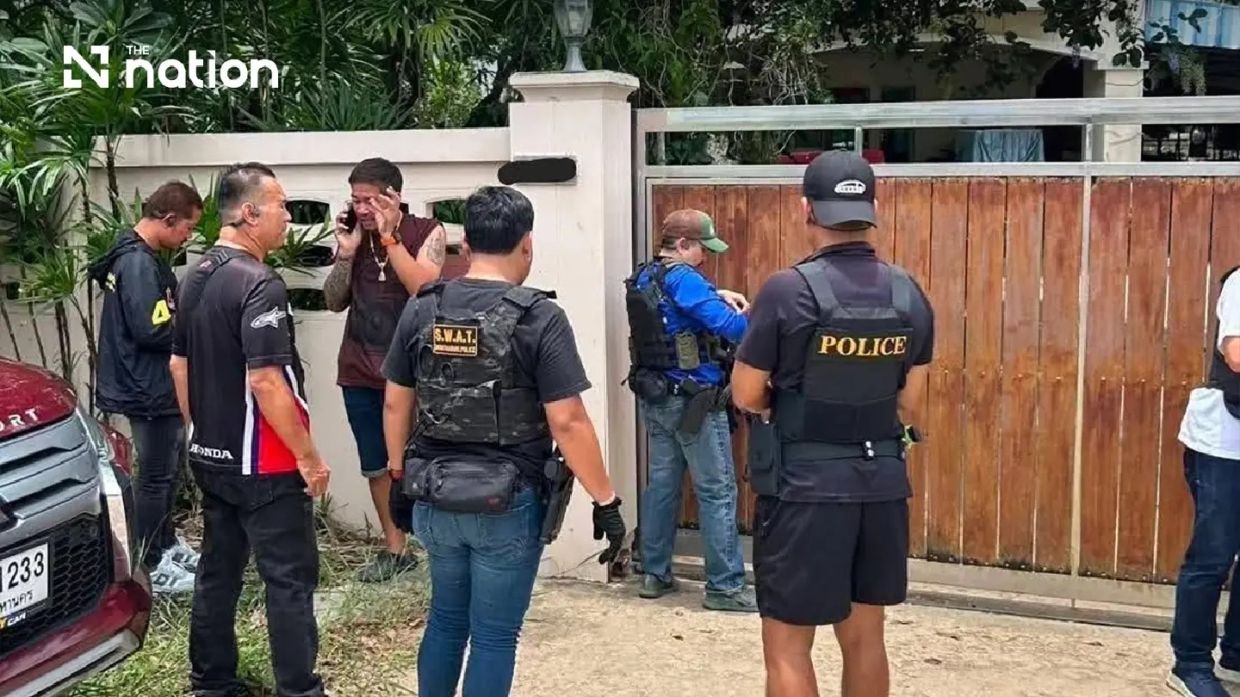
The identified suspect, a Mathayom 2 student, had been residing with his paternal grandparents in a residential neighbourhood of Bang Bua Thong district. When police officers searched the residence in Soi Wat Lat Pla Duk following the school incident, they discovered that both elderly relatives had died earlier that morning. Investigators concluded that the same firearm subsequently employed in the school attack had been used to kill the grandparents, suggesting premeditated violence that extended beyond the educational institution.
The weapon in question was a CZ 9mm handgun officially registered to the grandfather's name, raising critical questions about firearm security and juvenile access to weapons within family homes. Police have identified the retrieved weapon, yet significant gaps remain in understanding how the young suspect obtained it from secure storage, removed it from the residence, and accessed ammunition. These investigative threads represent a central focus for authorities attempting to reconstruct the sequence of events and establish safeguards to prevent similar incidents.
Pol Lt Gen Trairong Phiwphan, speaking for the Royal Thai Police, confirmed that officers had successfully contained the school shooting and brought the violence to an end. He indicated that comprehensive investigations were underway to gather evidence, support injured survivors, and understand the circumstances that preceded the attack. The spokesman acknowledged that determining the student's motive required deeper examination of his behavioural patterns, social environment, and personal circumstances, work that would take considerable time to complete.
Police have initiated contact with the suspect's guardians and established that he had been living with older relatives rather than parents, a detail that may prove significant in understanding his psychological state and any grievances he harboured. However, authorities have cautioned against drawing premature conclusions about motivation, emphasizing that thorough investigation into the suspect's background, relationships, and any warning signs would be necessary. Initial findings suggest the student had access to a registered firearm kept within the family household, but the precise mechanisms by which he circumvented any security measures remain under active investigation.
The tragedy underscores broader concerns about firearm storage and access in households with young residents, particularly in contexts where family tensions or mental health issues may exist but go unaddressed. Security protocols for registered weapons vary across Thailand, and this incident has prompted scrutiny of whether existing regulations adequately protect vulnerable family members, especially when emotional or psychological disturbances may affect a young person's judgment. The question of how ammunition was obtained adds another layer to the investigative process, suggesting either that multiple safeguarding failures occurred or that the student had knowledge of storage locations.
Pol Gen Kitrat Phanphet, Thailand's national police chief, directed comprehensive scene management including evidence collection and detailed photographic documentation of the area. His orders reflected the seriousness with which senior police command regarded both the immediate incident and the longer-term implications for public safety and institutional security at educational facilities. The directive to prepare detailed scene planning indicates that investigators are treating this as a complex case requiring meticulous reconstruction and analysis.
Recognizing the profound psychological impact on survivors, authorities deployed specialized mental health teams from Police General Hospital to provide immediate and ongoing support to teachers, students, and other affected individuals. Psychologists and mental health specialists were dispatched to offer counselling and therapeutic intervention aimed at mitigating both acute trauma responses and potential long-term psychological consequences. This intervention strategy reflects growing understanding in law enforcement and public health circles that immediate psychological first aid following mass casualty incidents can significantly influence recovery outcomes.
The removal of all injured persons and deceased individuals from school grounds proceeded under police supervision, ensuring that evidence preservation did not compromise victim care or dignified handling of the deceased. This operational approach balanced investigative requirements with compassionate treatment of those affected, a critical consideration in mass casualty incidents where public confidence in institutional response affects community recovery.
For Malaysian and Southeast Asian readers, this tragedy reinforces concerns about firearm access, juvenile mental health support systems, and the protective frameworks surrounding educational institutions. While Thailand maintains distinct legal structures governing weapon ownership and registration, the incident highlights universal vulnerabilities in identifying and assisting young people experiencing crisis. The case also illustrates how family conflicts and unresolved psychological distress among adolescents can escalate to catastrophic consequences when combined with access to lethal weapons, a pattern that transcends national boundaries.
The investigation's focus on how a secondary school student obtained a registered handgun, removed it from storage, and acquired ammunition points to systemic gaps in supervision and safeguarding that could inform policy discussions across the region. Educational institutions across Southeast Asia may review security protocols and staff training in recognizing warning signs of potential violence among students, while governments consider whether current regulations adequately restrict juvenile access to family firearms. The case serves as a sobering reminder that preventing such tragedies requires multifaceted approaches encompassing mental health services, family support systems, and responsible firearm management practices.

