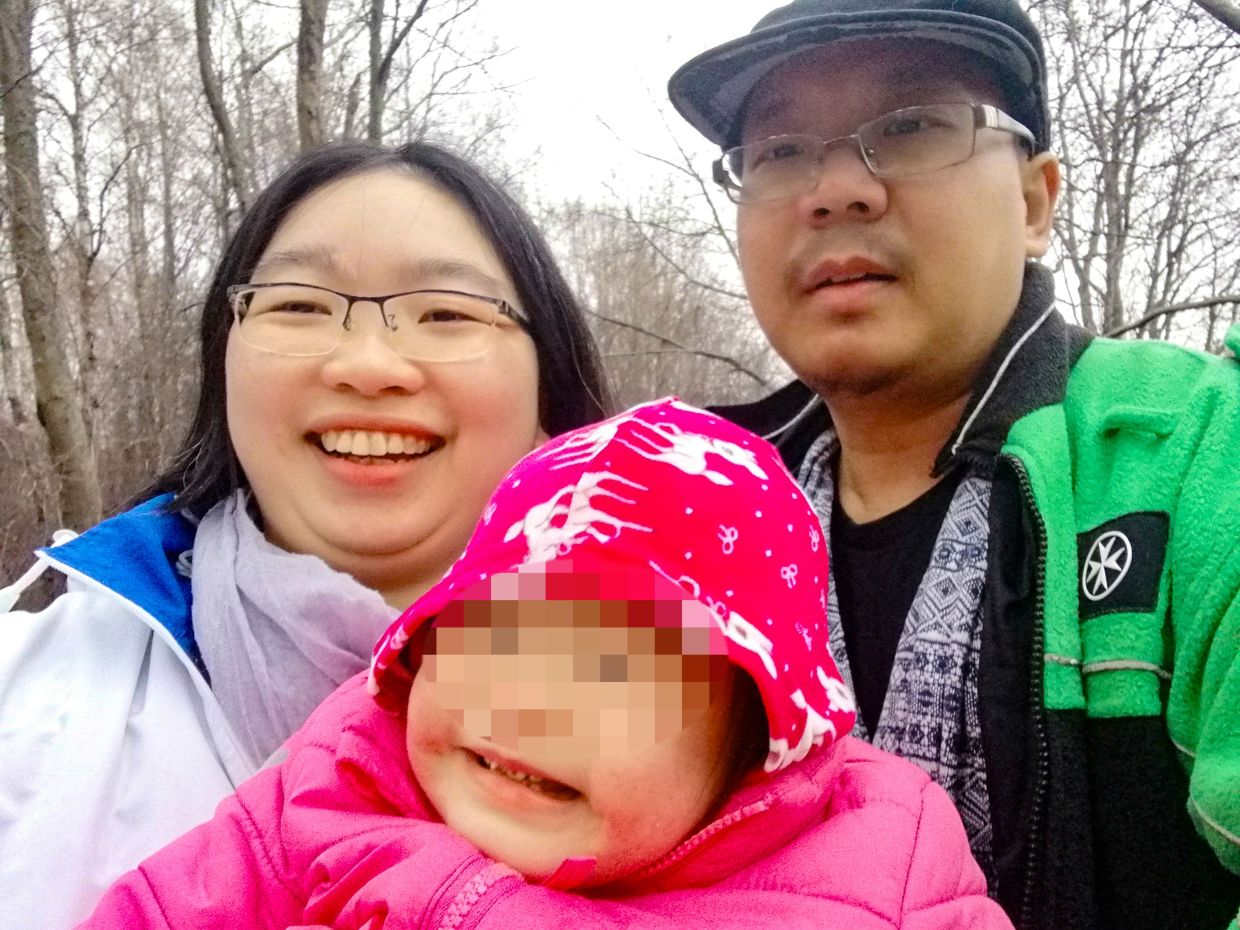
The custody battle of a young child separated from her Hong Kong parents has taken another turn against the family, with a Swedish court rejecting their legal challenge to the social welfare administration's decision to formally transfer guardianship to the child's foster family. The court's June 10 ruling effectively prevents the parents from mounting further legal challenges until after authorities issue a final determination on the guardianship matter, marking a significant setback in their protracted struggle to reclaim their daughter.
The Swedish Social Welfare Committee had previously issued a report on June 3 outlining concerns about the child, identified as Lily, requiring protection from what officials described as a "rootless and insecure existence" under her parents' care. The committee simultaneously moved to have Lily's foster parents, with whom she has resided since May 2024, formally designated as her legal guardians with special authority over her welfare decisions. In its formal statement, the committee emphasised that every child deserves to grow up in an environment characterised by emotional warmth, structured routines, predictability, and a sense of security—qualities which officials determined were absent in the current family situation.
The parents' inability to demonstrate what the committee termed "receptivity" and "insight" regarding their daughter's best interests formed a central justification for continued intervention. Rather than viewing this as a temporary measure pending family reconciliation, the welfare authorities indicated their assessment would remain in place, effectively maintaining the status quo that keeps Lily separated from her biological parents. The court's decision to dismiss the parents' challenge on procedural grounds—that Swedish law does not permit judicial review of social welfare determinations—has further constrained their legal options moving forward.
Tsang, the father, expressed his frustration to media outlets, lamenting that the Swedish legal system had not afforded the family even a basic opportunity to challenge what he characterised as the irrationality of the authorities' position. This sense of powerlessness has driven the couple to seek alternative channels, including creating a social media campaign titled "Save Lily" where they have shared family photographs and supporting documents to publicise their case and appeal to public opinion. The campaign reflects broader questions about whether international family separation cases receive adequate scrutiny and whether parents' rights are adequately balanced against child welfare considerations in Nordic legal systems.
The origins of this dispute trace back several years, beginning with Lily's birth at home in Finland in October 2021. The child was their second offspring; their first daughter, also born at home, had died at just one month old in 2019. When Finnish authorities refused to register Lily's birth because the parents maintained their primary residence in Hong Kong, the situation already hinted at the complications that would follow. The couple also faced investigation in Finland over alleged negligence in connection with their eldest daughter's death, a cloud that would subsequently influence how Nordic authorities approached subsequent child welfare concerns.
The family eventually relocated to Sweden, where circumstances deteriorated markedly. In December 2023, Lily was placed into social welfare custody following her parents' arrest on money laundering allegations. Although those criminal charges were ultimately dropped, the separation of the child from her parents persisted regardless. This chronology highlights a pattern common in international child welfare cases: criminal suspicions, even when unproven, can trigger child protective responses that continue long after the original allegations are resolved or dismissed.
Returning to Hong Kong, Tsang and Kwan faced additional challenges that complicate their legal standing in their home jurisdiction. The couple welcomed a baby boy, Danny, through home birth earlier this year. However, they declined to submit DNA testing as proof of biological parenthood, which is required for birth registration in Hong Kong. This refusal prevented Danny's registration, and authorities subsequently placed the newborn—now approximately three months old—under the care of the Social Welfare Department. The decision reflects heightened scrutiny that the couple now faces in their own city following the overseas custody dispute.
The circumstances surrounding Danny's placement have introduced a parallel legal battle in Hong Kong's family courts. Whether the parents can eventually regain custody of their infant son depends on social workers' ongoing assessments of their parenting capacity and the court's ultimate judgment. The family's prospects hinge substantially on demonstrating meaningful change in their approach to child-rearing and medical oversight. Recently, under supervision by government social workers, Tsang brought Danny to a maternal and child health centre operated by the Department of Health, where medical examination revealed no health irregularities—a positive development that may support their case.
The parallel situations of Lily and Danny illuminate broader tensions in child welfare systems across different jurisdictions. Nordic countries, including Sweden, maintain some of the world's most interventionist child protection frameworks, reflecting historical commitments to comprehensive state support for families. However, these systems can sometimes struggle with cases involving immigrant families or those with unconventional approaches to birth registration and medical care. Meanwhile, Hong Kong's Social Welfare Department operates within a different legal and cultural context, yet has similarly determined that state intervention was warranted in Danny's case.
For Malaysian and broader Southeast Asian observers, this case presents important questions about how our region's authorities might handle similar situations. The principles at stake—the balance between parental rights and child welfare, the treatment of home births and alternative medical practices, and the standards of evidence required for state intervention—resonate across borders. The case also underscores how parents who interact with multiple jurisdictions' legal and welfare systems can find themselves subject to compounding scrutiny and restrictions.
Looking ahead, Tsang has indicated that the Hong Kong court is scheduled to hear the family's case regarding Danny's custody late in the month. The hearing will likely focus on whether the parents' recent compliance with medical oversight and apparent cooperation with social workers demonstrates sufficient change to justify returning the infant to their care. Meanwhile, the situation with Lily in Sweden appears unlikely to shift without a dramatic reversal in the social welfare committee's assessment or a change in Swedish legal precedent regarding judicial review of child protection decisions.
The outcome of both cases will have significant implications for how transnational family law disputes are resolved and whether parents facing child welfare interventions in multiple countries can effectively advocate for family reunification. The public campaign mounted by the parents through social media represents an increasingly common strategy for families contesting child protective measures, reflecting both their desperation and the power of digital platforms to amplify marginalised voices in legal disputes.

%22%2F%3E%3C%2Fpattern%3E%3C%2Fdefs%3E%3Crect%20width%3D%22100%25%22%20height%3D%22100%25%22%20fill%3D%22url(%23ph40buhg)%22%2F%3E%3Crect%20width%3D%22100%25%22%20height%3D%22100%25%22%20fill%3D%22url(%23ph40buhp)%22%2F%3E%3Ctext%20x%3D%2250%25%22%20y%3D%2250%25%22%20text-anchor%3D%22middle%22%20dominant-baseline%3D%22central%22%20fill%3D%22rgba(255%2C255%2C255%2C0.95)%22%20font-family%3D%22Georgia%2C%20'Times%20New%20Roman'%2C%20serif%22%20font-weight%3D%22700%22%20font-size%3D%22320%22%20letter-spacing%3D%22-0.02em%22%3EGRS%3C%2Ftext%3E%3C%2Fsvg%3E)