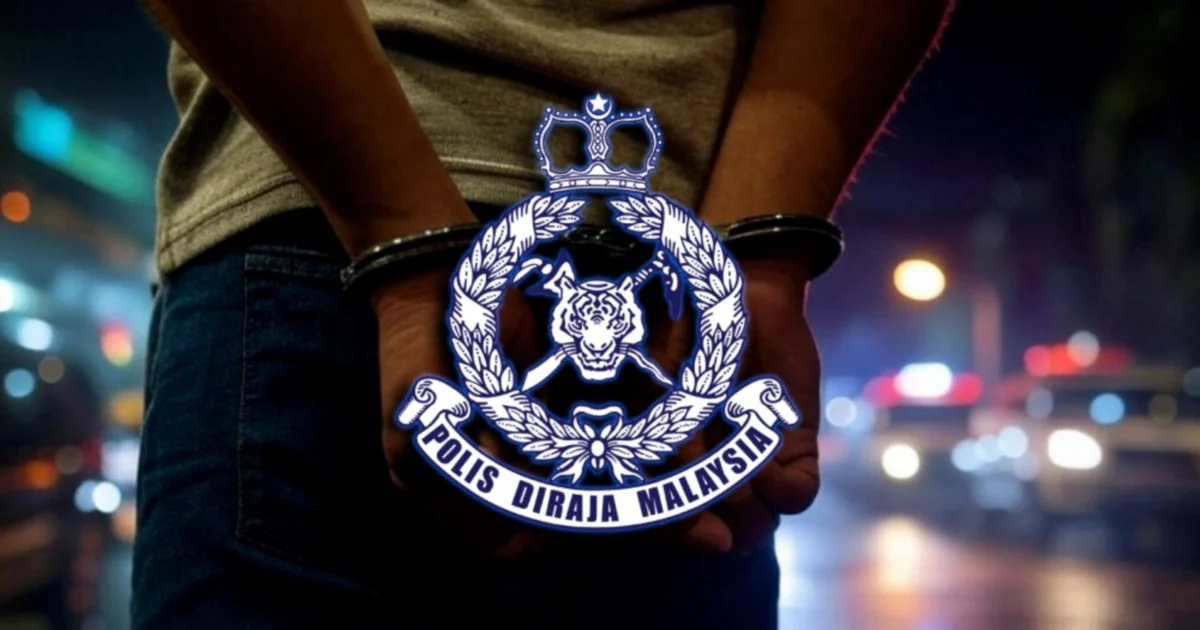
Police in Taiping have arrested a man in connection with the theft of 43 metres of cable belonging to Keretapi Tanah Melayu Berhad (KTMB), the national rail operator. The suspect was taken into custody following the discovery of the missing cables at kilometre marker 95.75 along the Padang Rengas-Kamunting railway corridor in the early hours of today.
The incident marks another case in a persistent pattern of cable and infrastructure theft that has plagued Malaysia's railway network and wider transportation systems. These thefts have created significant operational disruptions and maintenance headaches for KTMB, which operates vital passenger and freight services across the peninsula. Such crimes not only damage critical infrastructure but also impose substantial financial burdens on the national carrier as replacement costs mount.
The Padang Rengas-Kamunting corridor in Perak is a strategically important section of the national railway network, connecting communities across the state and beyond. Thieves targeting this stretch of track have historically focused on high-value materials such as copper and aluminium cables, which command ready resale value in scrap metal markets. The accessibility of railway corridors in rural areas like those around Taiping makes them particularly vulnerable to opportunistic theft.
Railway infrastructure theft has emerged as a significant law enforcement concern across Malaysia, with police forces nationwide intensifying patrols and surveillance efforts along vulnerable sections. The nature of railway networks—stretching across vast distances and often passing through sparsely populated areas—presents inherent security challenges. Coordinating prevention efforts requires sustained cooperation between KTMB security personnel, local police, and railway management.
The economic impact of such thefts extends beyond immediate replacement costs. When critical cables are removed, railway sections may require temporary closure for repairs and safety inspections, disrupting passenger schedules and freight operations. The ripple effects can influence commerce, commuter reliability, and public confidence in rail transport during a period when authorities are attempting to promote modal shift away from road-based travel.
Investigations into cable theft typically reveal organised networks rather than isolated incidents. Perpetrators often work in coordination with scrap dealers and informal recycling operations willing to purchase stolen materials without scrutiny. Breaking these supply chains requires intelligence-led policing that targets not just those committing the theft, but also the downstream buyers facilitating the criminal ecosystem.
Local authorities in Perak have faced mounting pressure to enhance security protocols at key railway access points. Enhanced fencing, improved lighting, and increased foot patrols represent conventional measures, though resource constraints often limit their implementation. Some jurisdictions have explored technological solutions such as motion-activated alarms and CCTV surveillance systems integrated with rapid response protocols.
For Keretapi Tanah Melayu Berhad, these repeated incidents underscore the urgency of modernising security infrastructure across their operations. The national rail operator has previously called for additional government support to combat infrastructure crime, arguing that prevention requires investment alongside enforcement. The financial strain of constant theft-related repairs diverts resources from service improvements and expansion projects that could otherwise enhance passenger experience and freight competitiveness.
The arrest represents a successful outcome for local law enforcement responding to the specific incident. However, sustainability of these efforts depends on maintaining consistent operational visibility across kilometres of railway corridor. Community engagement initiatives, whereby residents along railway routes report suspicious activity, have proven effective in some regions and may offer templates for replication.
This case also highlights the vulnerability of Malaysia's transportation infrastructure to organised crime. As the country pursues development and urbanisation goals, protecting critical assets from theft and sabotage remains an ongoing challenge requiring coordinated effort across agencies. The suspect's arrest will likely face prosecution under relevant railway protection laws, though legal processes themselves can be protracted.


%22%2F%3E%3C%2Fpattern%3E%3C%2Fdefs%3E%3Crect%20width%3D%22100%25%22%20height%3D%22100%25%22%20fill%3D%22url(%23ph40buhg)%22%2F%3E%3Crect%20width%3D%22100%25%22%20height%3D%22100%25%22%20fill%3D%22url(%23ph40buhp)%22%2F%3E%3Ctext%20x%3D%2250%25%22%20y%3D%2250%25%22%20text-anchor%3D%22middle%22%20dominant-baseline%3D%22central%22%20fill%3D%22rgba(255%2C255%2C255%2C0.95)%22%20font-family%3D%22Georgia%2C%20'Times%20New%20Roman'%2C%20serif%22%20font-weight%3D%22700%22%20font-size%3D%22320%22%20letter-spacing%3D%22-0.02em%22%3EGRS%3C%2Ftext%3E%3C%2Fsvg%3E)