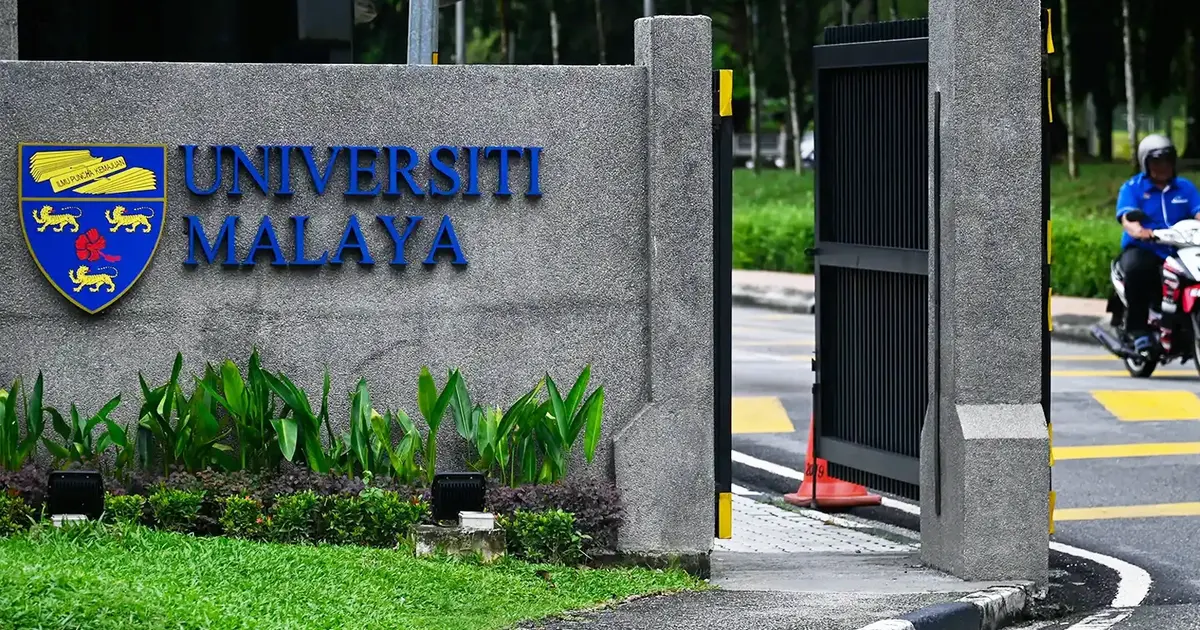
The University of Malaya faces mounting pressure from student activists to disclose the findings of a sexual harassment investigation into one of its academics, with NewGen UM accusing the institution of failing to honour its commitment to transparency. The student-led advocacy organisation has escalated calls for accountability after the university announced in September of the previous year that the probe had reached its concluding phase, yet has since maintained silence on the matter.
NewGen UM's intervention reflects broader concerns about institutional accountability within Malaysia's higher education system. The group argues that the prolonged absence of public disclosure undermines the credibility of the university's stated commitment to addressing sexual misconduct on campus. By announcing that an investigation was in its final stages but then failing to release outcomes, the university has created an information vacuum that fuels questions about the robustness of its processes and the seriousness with which it treats such allegations.
The delay carries particular weight given the symbolic importance of the University of Malaya as Malaysia's oldest and most prestigious public university. As an institution that sets institutional standards across the country's higher education landscape, how it handles sensitive investigations signals the priorities of Malaysian academia more broadly. When findings remain sequestered, even as the investigation concludes, it suggests that institutional reputation management may be outweighing the need for survivor support and campus-wide learning.
Student-led movements pressing for transparency in harassment cases have gained momentum regionally and globally. Universities across Southeast Asia, from Thailand to the Philippines, have faced similar demands for accountability when investigations into staff conduct conclude without public disclosure. In Malaysia's context, where hierarchical institutional cultures have historically insulated senior faculty from external scrutiny, renewed pressure from organised student groups represents a shift in how campus misconduct is approached.
The absence of timely disclosure also complicates efforts by other Malaysian universities to benchmark their own investigation protocols. When the University of Malaya withholds findings, peer institutions lack the reference points necessary to strengthen their own complaints mechanisms. This opacity becomes particularly problematic in an ecosystem where students routinely move between universities for postgraduate studies or research collaboration, potentially exposing them to repeated institutional failures.
NewGen UM's demand for an update signals that institutional silence on concluded investigations is no longer acceptable to a generation of Malaysian students who have been shaped by global movements emphasising survivor-centred accountability. The group's willingness to maintain public pressure suggests that internal appeals for transparency have already been exhausted, leaving activism as the primary mechanism through which students can compel institutional responsiveness.
The psychological and professional toll on those who lodge harassment complaints during extended silence deserves consideration. When investigations remain open without timeline clarity, complainants exist in a state of unresolved limbo, unable to fully move forward while remaining emotionally invested in outcomes that remain inaccessible. This liminal state can deter future reporting, as potential complainants observe that transparency and closure are not guaranteed outcomes of formal processes.
From an institutional risk perspective, delaying disclosure of concluded investigations generates additional complications. The longer findings remain unreleased, the greater the likelihood of rumour and speculation circulating through campus communities, potentially distorting perceptions of what the investigation concluded and what remedial measures have been implemented. Transparent communication, even when detailing difficult findings, typically serves institutional interests better than prolonged secrecy.
The matter also intersects with Malaysia's evolving landscape of workplace and campus safety legislation. As policymakers increasingly scrutinise institutional responses to sexual misconduct, universities that lack clear timelines for disclosure of investigation outcomes may face regulatory pressure. The University of Malaya's current posture risks positioning it as a laggard in an area where forward momentum is increasingly expected.
NewGen UM's persistence in this matter suggests that student activism around institutional accountability is moving beyond one-off campaigns toward sustained pressure on specific outcomes. This represents a maturation of Malaysian student advocacy, where demands for transparency are backed by willingness to maintain focus over extended periods. Universities that fail to respond meaningfully to such pressure may find themselves navigating not just one-time reputational damage but sustained credibility deficits among their student populations.
The path forward requires the University of Malaya to break its silence with a comprehensive update on the investigation's status, timeline for release of findings, and the institutional measures being undertaken to support all parties involved. Without such clarity, the university risks deepening the fracture between its institutional rhetoric about safety and the lived experience of its community members seeking accountability. For other Malaysian universities watching this situation, the calculus is becoming increasingly clear: transparency on concluded investigations is no longer an optional institutional virtue but an expected baseline.

%22%2F%3E%3C%2Fpattern%3E%3C%2Fdefs%3E%3Crect%20width%3D%22100%25%22%20height%3D%22100%25%22%20fill%3D%22url(%23ph40buhg)%22%2F%3E%3Crect%20width%3D%22100%25%22%20height%3D%22100%25%22%20fill%3D%22url(%23ph40buhp)%22%2F%3E%3Ctext%20x%3D%2250%25%22%20y%3D%2250%25%22%20text-anchor%3D%22middle%22%20dominant-baseline%3D%22central%22%20fill%3D%22rgba(255%2C255%2C255%2C0.95)%22%20font-family%3D%22Georgia%2C%20'Times%20New%20Roman'%2C%20serif%22%20font-weight%3D%22700%22%20font-size%3D%22320%22%20letter-spacing%3D%22-0.02em%22%3EGRS%3C%2Ftext%3E%3C%2Fsvg%3E)