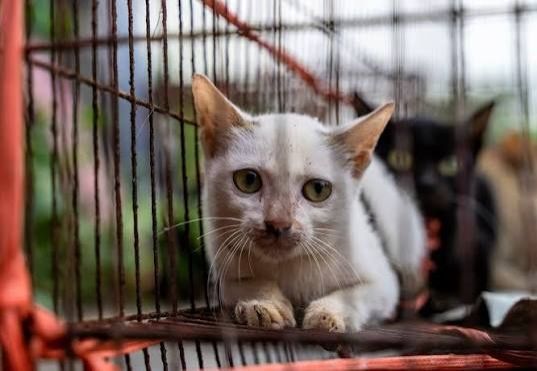
Vietnamese law enforcement has successfully dismantled a sophisticated feline theft network operating across southern Vietnam, resulting in the recovery of hundreds of cats and the restoration of beloved pets to their families. Following the arrest of nine suspects last week, more than 40 stolen cats have already been reunited with their owners after police raided facilities associated with the criminal enterprise, according to Hanoi-based animal welfare organisation Humane World for Animals. The operation represents a significant breakthrough against a lucrative black market that has plagued Ho Chi Minh City residents with escalating pet disappearances.
The scope of the trafficking ring became apparent once authorities completed their raids and took inventory of confiscated animals. Police recovered more than 400 live cats held across multiple facilities, alongside 80 preserved feline carcasses stored on ice for commercial distribution. An additional 21 cats were seized from a separate location linked to the operation. The Ho Chi Minh City police's official newspaper detailed how the criminal network had operated with disturbing efficiency, systematising the capture and collection of stolen pets across the southern region over a three-year period. Investigators discovered that the suspects employed deliberate trapping and luring techniques to capture cats from residential areas, suggesting a well-organised approach to sourcing animals for the meat trade.
The investigation gained momentum following public complaints about rampant pet thefts throughout Ho Chi Minh City, prompting authorities to intensify their focus on organised animal trafficking. Police methodically tracked the criminal group's activities before launching coordinated raids that led to the arrests. During interrogation, the nine detained suspects confessed to their involvement in the systematic theft and aggregation of cats, providing investigators with crucial intelligence about the network's operational structure and scale.
Vietnam's legal framework has created a permissive environment for the cat and dog meat trade, which continues openly in many restaurants across the country. These establishments frequently advertise feline and canine meat products, catering to consumers who view them as traditional delicacies. However, current regulations technically require vendors to provide certificates documenting the lawful origin of the animals they process and sell. The existence of such documentation requirements suggests that authorities have attempted to differentiate between legally sourced animals and those obtained through theft, though enforcement of these standards has historically been inconsistent. The trafficking ring's emergence indicates that despite nominal legal safeguards, criminals have exploited weak enforcement mechanisms to supply the meat trade with stolen companion animals.
The psychological and physical toll on the rescued animals has been considerable. According to Humane World for Animals, approximately 100 of the recovered cats subsequently died from the trauma and hardship they endured during their captivity and transportation. The organisation's representative, Karanvir Kukreja, emphasised in a statement that the deaths represented not merely statistical losses but significant suffering across the animal population. The deaths underscore the brutal conditions under which trafficked cats are held and transported, reflecting the fundamental indifference of criminal networks to animal welfare throughout the supply chain.
Reunification efforts have proceeded steadily as police verified the identities of numerous stolen pets through microchip scanning and owner identification. The process of returning 40 or more cats to their families has already brought relief to affected households throughout the city. However, Humane World for Animals has flagged an ongoing concern regarding the status of the remaining rescued cats still held by police authorities. Many of these animals must remain in custody as evidence during the judicial proceedings against the arrested suspects, creating an uncertain situation for their welfare during what could be a prolonged prosecution.
The animal welfare organisation has mobilised resources to address the immediate needs of cats remaining in police custody. Having donated food supplies suitable for the large population of stressed animals, the group is simultaneously coordinating the delivery of fans and cooling equipment to prevent heat-related illness and death. These interventions reflect the challenging conditions that companion animals face when held in crowded police facilities lacking appropriate climate control and enrichment. The organisation's hands-on approach demonstrates the need for external oversight and support to maintain basic standards of care for animals serving as legal evidence.
This case highlights the intersection of animal cruelty, organised crime, and weak regulatory enforcement in Southeast Asia. The systematic theft of pets represents a violation of both criminal law and the trust that pet owners place in their communities. The sophistication of the network, operating undetected for three years while capturing hundreds of animals, suggests that similar operations likely persist in other Vietnamese cities and neighbouring countries where regulations remain inadequately enforced.
For Malaysian readers, the developments in Vietnam carry important cautionary lessons. Pet theft remains a concern in major Malaysian cities, though the market for cat and dog meat is negligible in this country due to cultural and religious considerations. However, the case underscores the importance of maintaining vigilant community awareness about suspicious animal trafficking activity, microchipping and registering pets for identification purposes, and supporting law enforcement efforts to combat organised criminal networks that target vulnerable animals. The collaboration between Vietnamese authorities and international animal welfare organisations that enabled this operation's dismantling offers a model for regional cooperation in addressing transnational animal trafficking concerns.


%22%2F%3E%3C%2Fpattern%3E%3C%2Fdefs%3E%3Crect%20width%3D%22100%25%22%20height%3D%22100%25%22%20fill%3D%22url(%23ph40buhg)%22%2F%3E%3Crect%20width%3D%22100%25%22%20height%3D%22100%25%22%20fill%3D%22url(%23ph40buhp)%22%2F%3E%3Ctext%20x%3D%2250%25%22%20y%3D%2250%25%22%20text-anchor%3D%22middle%22%20dominant-baseline%3D%22central%22%20fill%3D%22rgba(255%2C255%2C255%2C0.95)%22%20font-family%3D%22Georgia%2C%20'Times%20New%20Roman'%2C%20serif%22%20font-weight%3D%22700%22%20font-size%3D%22320%22%20letter-spacing%3D%22-0.02em%22%3EGRS%3C%2Ftext%3E%3C%2Fsvg%3E)