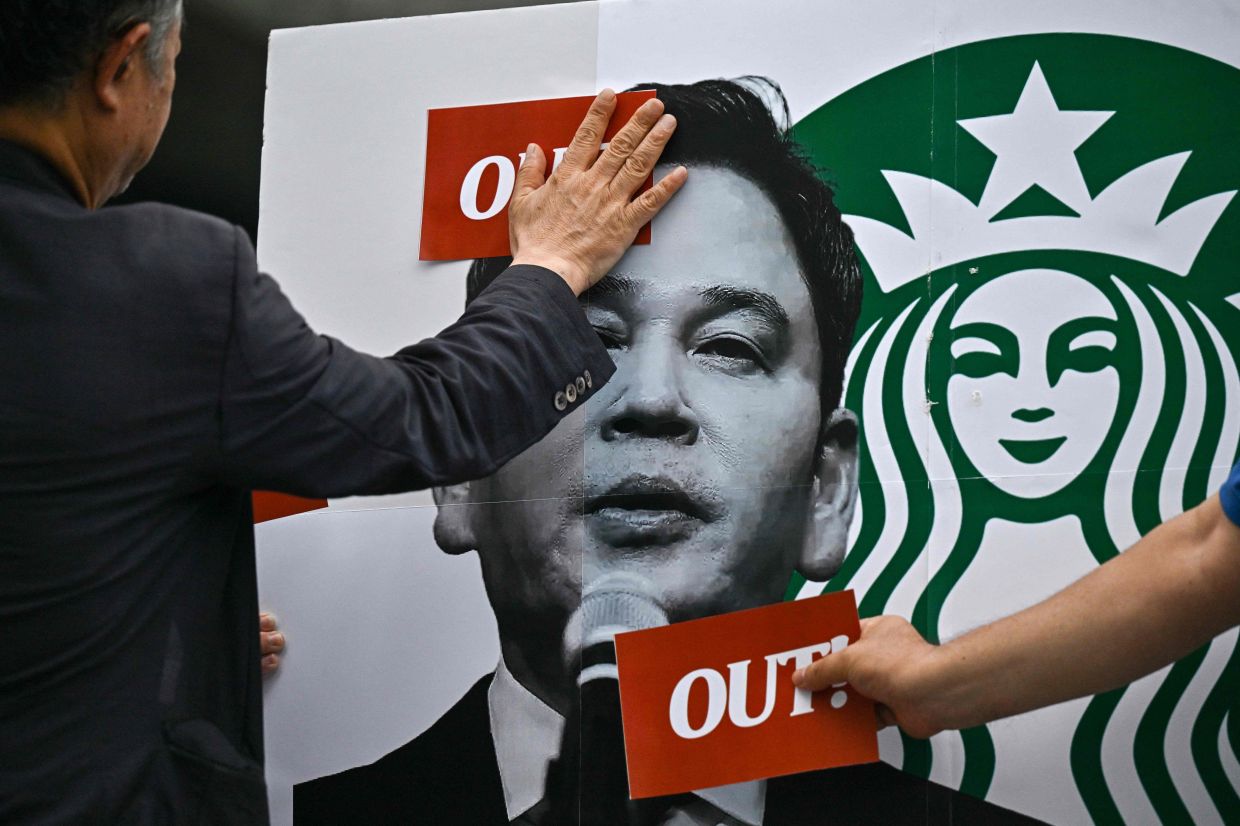
South Korean authorities are investigating a catastrophic marketing mishap at Starbucks Korea, which has exposed deep sensitivities around the country's troubled democratic history. Police questioned Yang Jong-hwan, head of Shinsegae Group's audit team, regarding the coffee chain operator's doomed reusable cup promotion launched in May. The controversy centres on the timing of the campaign, which fell on May 18—the anniversary of the 1980 Gwangju uprising, a watershed moment in South Korea's struggle for democracy when military forces killed at least 165 civilians, with many analysts believing the actual death toll substantially higher.
The gaffe has proven extraordinarily damaging for Starbucks Korea and its parent company Shinsegae, one of the nation's largest conglomerates. Operating more than 2,000 outlets nationwide under a licensing agreement with Shinsegae Group, the coffee chain's decision to market reusable cups on such a fraught historical date triggered immediate backlash. The nature of the promotion—ostensibly titled "Tank Day" in reference to promotional tanks distributing samples—proved especially tone-deaf given the association with military tanks used during the 1980 crackdown. This convergence of factors transformed what should have been a routine sustainability initiative into a symbol of corporate negligence and historical insensitivity.
The corporate response was swift but insufficient to contain the fallout. Shinsegae dismissed its Korea chief executive on the day the scandal erupted, signalling the gravity of the breach. Subsequently, chairman Chung Yong-jin made a formal public apology, a significant gesture in South Korean business culture where executive contrition is carefully calibrated. However, these remedial measures proved inadequate to satisfy public opinion or legal scrutiny. A civic group lodged a formal complaint against Chung and other senior officials, alleging violations of a 2016 law designed to protect historical narratives surrounding the democracy movement. The legislation specifically prohibits disseminating false or misleading information about the 1980 pro-democracy crackdown—a legal framework that underscores how seriously South Korea treats commemorations of this pivotal moment.
Beyond the criminal complaint, the civic group also pursued civil remedies, filing additional charges encompassing defamation and insult. This multi-layered legal strategy reflects deep public sentiment about how corporate entities should handle historical memory. The complaint mechanism itself serves as a pressure valve for civil society, allowing citizens to hold major corporations accountable when they commit what many view as historical sacrilege. For international companies operating in South Korea, this incident illustrates the complex intersection of commercial messaging with national trauma and collective memory.
The immediate commercial consequences have been severe. Sharbucks Korea experienced a sharp decline in sales during the scandal's opening phase, though precise figures remain undisclosed. More significantly, the reputational damage extends beyond quarterly earnings. The incident sparked protests across South Korea's major cities, including demonstrations in Seoul and Gwangju—the latter city being the epicentre of the 1980 uprising where the wound remains particularly raw. Such public expressions of anger carry symbolic weight in South Korea's political culture, serving as a barometer of corporate legitimacy and social acceptance.
Shinsegae's subsequent investigation into how the promotional disaster occurred revealed a breakdown in organisational safeguards. The company identified multiple negligent practices during the campaign's conception and approval phases, including officials endorsing design files without conducting adequate due diligence checks. This pattern of oversight—where senior managers failed to pause and contextualise a date-sensitive promotion—speaks to potentially systemic failures in corporate governance and cultural awareness. For a company of Shinsegae's stature, such lapses appear extraordinary, suggesting either insufficient training or inadequate protocols for vetting major marketing initiatives.
Recognising the depth of public displeasure, both Starbucks Korea and Shinsegae have undertaken remedial education measures. All Starbucks locations across South Korea will close for a half-day on a designated Monday to allow staff to participate in history lessons about the 1980 crackdown and its significance in Korean democracy. Two days subsequently, Shinsegae's chairman and other senior executives will undergo similar educational sessions—a public acknowledgment that even high-ranking decision-makers require deeper historical contextualisation. These measures signal an attempt to transform the crisis into a learning opportunity, though critics may view such gestures as belated damage control.
The investigation itself remains ongoing, with Seoul Metropolitan Police Agency conducting witness interviews as part of a broader inquiry into whether criminal liability attaches to the conduct. Police have declined to elaborate on the scope or direction of their investigation, maintaining standard procedural discretion. However, the questioning of a senior audit official suggests investigators are examining not merely the promotion's conception but the broader question of corporate accountability and decision-making processes. This institutional focus could have implications for how major South Korean companies structure their oversight mechanisms.
For regional observers, the Starbucks Korea incident illuminates how historical memory shapes corporate behaviour in East Asia more broadly. South Korea maintains particular sensitivities about the 1980 democracy struggle, with May 18 functioning as a national day of reflection and remembrance. Unlike some nations where corporate promotions can proceed without regard to historical dates, South Korean companies operate within a social contract that demands awareness of and respect for pivotal historical moments. The severity of public reaction and legal consequences reflects this expectation.
South Korea represents Starbucks' third-largest global market after the United States and China, making the country strategically significant for the American coffee chain's Asia-Pacific operations. The reputational damage from this campaign could influence consumer perception and purchasing decisions in a market where brand trust carries particular weight. Moreover, the incident may prompt other multinational corporations to enhance their cultural and historical due diligence procedures when launching campaigns in markets where historical sensitivities run deep. President Lee Jae-myung's public expression of outrage underscores how the controversy transcended corporate mishap into territory of political and national significance, drawing commentary from the nation's highest office and cementing the incident's place in South Korean public discourse.
%22%2F%3E%3C%2Fpattern%3E%3C%2Fdefs%3E%3Crect%20width%3D%22100%25%22%20height%3D%22100%25%22%20fill%3D%22url(%23ph40buhg)%22%2F%3E%3Crect%20width%3D%22100%25%22%20height%3D%22100%25%22%20fill%3D%22url(%23ph40buhp)%22%2F%3E%3Ctext%20x%3D%2250%25%22%20y%3D%2250%25%22%20text-anchor%3D%22middle%22%20dominant-baseline%3D%22central%22%20fill%3D%22rgba(255%2C255%2C255%2C0.95)%22%20font-family%3D%22Georgia%2C%20'Times%20New%20Roman'%2C%20serif%22%20font-weight%3D%22700%22%20font-size%3D%22320%22%20letter-spacing%3D%22-0.02em%22%3EGRS%3C%2Ftext%3E%3C%2Fsvg%3E)