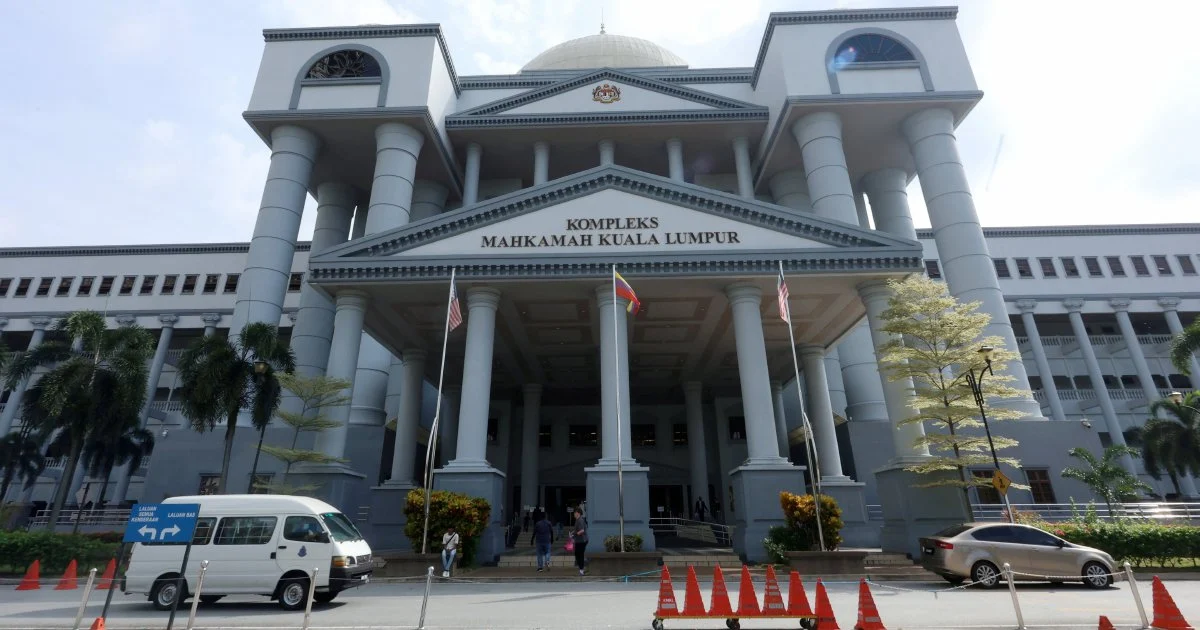
Malaysia's anti-corruption apparatus has targeted another senior public official in the ongoing push to combat graft within government institutions. A chief executive officer from a statutory body is scheduled to appear at the Sessions Court to answer seven corruption charges centring on alleged bribery offences connected to sports facility projects. The accusations allege that the executive solicited and accepted bribes surpassing RM1 million, marking yet another high-profile integrity violation within Malaysia's public administration.
The charges represent a continuation of enforcement efforts by the Malaysian Anti-Corruption Commission (MACC), which has intensified scrutiny of procurement practices and project management within statutory bodies and government-linked entities. Sports facility development has emerged as a particular area of concern, with allegations suggesting that officials may have leveraged their control over infrastructure contracts to extract personal gain. The scale of the alleged misconduct—exceeding RM1 million—indicates significant resources diverted from intended public benefit into private hands.
Statutory bodies occupy a critical position within Malaysia's governance structure, managing substantial budgets and controlling access to essential infrastructure projects. These organisations often operate with relative autonomy from direct legislative oversight, creating potential vulnerabilities when internal controls prove inadequate. The appointment of a chief executive represents one of the highest administrative positions within such entities, granting the individual considerable influence over procurement decisions, vendor selection, and project approval processes. This concentration of authority, when combined with weak accountability mechanisms, creates circumstances conducive to corruption.
Sports facility projects present particularly attractive targets for corrupt officials because they frequently involve significant capital expenditure, multiple stages of decision-making, and numerous contractors and suppliers. The nature of sports infrastructure—often involving specialised equipment, construction contracts, and operational agreements—creates multiple touchpoints where officials can demand payments or kickbacks. Beyond the immediate financial losses, corruption in sports infrastructure undermines the facilities' quality and the sporting community's ability to develop talent, affecting Malaysia's competitive standing in regional and international competition.
The Sessions Court appearance marks the formal commencement of legal proceedings that will test the strength of the evidence gathered during investigation. Seven separate charges indicate that prosecutors believe they have sufficient grounds to pursue multiple distinct offences, suggesting a pattern of misconduct rather than isolated incidents. This approach allows courts to assess whether the alleged behaviour was systemic within the individual's tenure, potentially influencing sentencing recommendations should conviction occur.
For Malaysian readers and civil society observers, this prosecution carries broader implications regarding the integrity of public administration. Statutory bodies manage essential services and infrastructure affecting millions of citizens. When officials abuse their positions for personal enrichment, the consequences extend far beyond financial loss—they undermine public confidence in government institutions and create perceptions that merit-based advancement and fair dealing have been supplanted by patronage and corruption. This erosion of institutional trust complicates future governance and reform efforts.
The case also highlights vulnerabilities within Malaysia's sports sector governance. Unlike corporations subject to shareholder scrutiny and market discipline, government bodies managing sports facilities often lack equivalent transparency and accountability mechanisms. Procurement practices, contractor selection criteria, and project cost justifications may not be subject to rigorous external review. These structural weaknesses create opportunities for officials to conceal misconduct and discourage potential whistleblowers who fear retaliation or lack confidence in investigation mechanisms.
Regionally, Malaysia's prosecution efforts reflect a broader Southeast Asian trend toward heightened anti-corruption enforcement. Neighbouring countries including Indonesia and Thailand have pursued similar cases against high-ranking officials, suggesting that international pressure and donor expectations increasingly demand visible action against corruption. However, sustainability of these enforcement efforts remains uncertain, with critics questioning whether prosecutions reflect genuine institutional reform or represent selective enforcement targeting political rivals.
The statutory body involved, while unnamed in initial reports, presumably holds significant responsibility for sports development and facility management. Its credibility during this period may suffer as the corruption allegations circulate and media coverage intensifies. This reputational damage can impede organisational effectiveness even before any court verdict, as stakeholders question the institution's future direction and governance standards. Government may face pressure to implement structural reforms, including enhanced oversight mechanisms and revised procurement procedures.
The investigation and subsequent charging process demonstrate that anti-corruption bodies possess capacity to pursue cases involving senior officials, reversing historical patterns where high-ranking figures enjoyed substantial immunity. However, Malaysia's conviction rate in corruption cases—while improving—remains lower than in comparable jurisdictions, suggesting that legal proceedings represent only one stage within lengthy prosecution processes. Observers will monitor whether the Sessions Court proceedings advance efficiently or encounter delays that plague many Malaysian corruption cases.
For sports sector participants and enthusiasts, this prosecution serves as reminder that infrastructure projects are only as credible as the officials overseeing them. Clean procurement processes, transparent decision-making, and accountable stewardship directly benefit facility users and the broader sporting community. The charges against this statutory body executive underscore that consequences increasingly attach to corrupt behaviour, potentially deterring similar misconduct among other officials managing comparable portfolios across Malaysia's government agencies and statutory bodies.

%22%2F%3E%3C%2Fpattern%3E%3C%2Fdefs%3E%3Crect%20width%3D%22100%25%22%20height%3D%22100%25%22%20fill%3D%22url(%23ph40buhg)%22%2F%3E%3Crect%20width%3D%22100%25%22%20height%3D%22100%25%22%20fill%3D%22url(%23ph40buhp)%22%2F%3E%3Ctext%20x%3D%2250%25%22%20y%3D%2250%25%22%20text-anchor%3D%22middle%22%20dominant-baseline%3D%22central%22%20fill%3D%22rgba(255%2C255%2C255%2C0.95)%22%20font-family%3D%22Georgia%2C%20'Times%20New%20Roman'%2C%20serif%22%20font-weight%3D%22700%22%20font-size%3D%22320%22%20letter-spacing%3D%22-0.02em%22%3EGRS%3C%2Ftext%3E%3C%2Fsvg%3E)