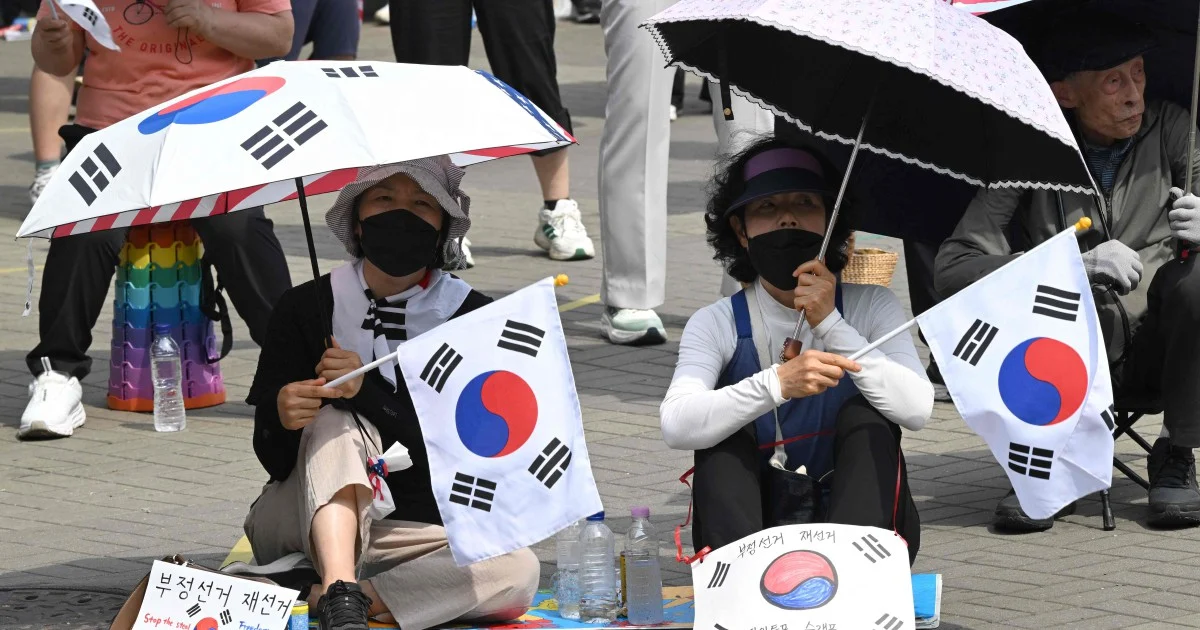
South Korea's legislative body moved to scrutinise the National Election Commission this week, launching a 45-day parliamentary inquiry that was formally approved at a plenary session. The investigation stems directly from significant ballot-paper shortages that compromised voting procedures during the June 3 local elections held across the nation.
The ballot shortage during South Korea's local elections represents a substantial administrative failure in what is widely considered one of Asia's most developed electoral systems. When voters encountered inadequate supplies of ballots at polling stations, it created immediate logistical challenges and raised uncomfortable questions about the competence of election administrators responsible for managing one of the region's most closely watched democratic processes.
For Malaysian readers and observers across Southeast Asia, the South Korean situation offers instructive parallels regarding election management at scale. South Korea regularly conducts nationwide simultaneous elections involving millions of participants, and the commission's failure to adequately prepare ballot supplies despite predictable demand underscores how even sophisticated democracies can face operational missteps. This becomes particularly relevant for developing Southeast Asian nations managing their own electoral processes and seeking to learn from international best practices.
The 45-day timeframe for the parliamentary investigation suggests lawmakers intend to conduct a thorough examination rather than a superficial review. During this period, parliament will likely scrutinise the National Election Commission's planning procedures, inventory management systems, and distribution logistics. Investigators will probably examine whether the shortage resulted from underestimation of voter participation, miscalculation of ballot quantities needed, or failures in the supply chain delivering ballots to polling stations nationwide.
The approval of this investigation at a formal plenary session indicates substantial legislative consensus regarding the need for accountability. When parliament collectively authorises such inquiries, it typically signals that election administration failures have sufficiently troubled elected representatives across party lines, transcending partisan divisions. This broad agreement to investigate suggests the ballot shortage was neither a minor mishap nor a controversial matter but rather an acknowledged systemic problem requiring transparent remediation.
For the National Election Commission, the parliamentary scrutiny represents an institutional stress test. The commission will need to provide detailed explanations and documentation regarding its pre-election preparations, demand forecasting methodologies, and contingency planning. Public agencies responsible for elections carry particular weight in democracies, as their failures directly undermine voter confidence and can sow doubt about electoral legitimacy itself, regardless of whether vote counting was ultimately accurate.
The implications extend beyond administrative embarrassment. Ballot shortages, even if ultimately resolved before voting concluded, create cascading practical problems. Voters experience delays and frustration. Election workers face pressure managing queues and angry constituents. The optics of insufficient ballots at polling stations fuel speculation about election mismanagement, even when no actual fraud occurs. These perception problems can prove as damaging as operational failures themselves in democratic contexts where public trust remains foundational.
Southeast Asian election management authorities will likely monitor this South Korean investigation closely. Regional democracies including Malaysia, Indonesia, and Thailand periodically confront similar logistical challenges during nationwide elections. Understanding how Seoul's parliament addresses the National Election Commission's failures may inform how other regional governments strengthen their own electoral administration systems and accountability mechanisms.
The investigation may also prompt the National Election Commission to review its entire operational framework. Post-inquiry reforms could include revised ballot production schedules that incorporate larger safety margins, improved demand forecasting incorporating historical voter turnout data, enhanced monitoring systems during early voting periods to identify supply problems before election day, and clearer protocols for emergency ballot production if shortages nevertheless emerge.
Parliamentary investigations of election bodies carry political significance beyond their administrative dimensions. They demonstrate that even institutions managing foundational democratic processes remain subject to legislative oversight and public accountability. In consolidating democracies, such investigations help establish norms that no institution, however essential to electoral operations, operates beyond scrutiny when failures occur.
The June 3 elections themselves proceeded despite the ballot shortage disruptions, suggesting that while administrative failures occurred, underlying democratic processes remained functional. Yet South Korea's parliament apparently concluded that functionality alongside significant disruption warranted formal investigation, reflecting high standards for electoral administration in a mature democracy. This approach contrasts with contexts where election administration failures of similar magnitude might generate less systematic institutional response.
As the 45-day investigation unfolds, South Korean media and civil society organisations will scrutinise the National Election Commission's responses. Public hearings, if conducted, could provide voters with direct insight into how election administrators account for their preparations and what corrective measures they propose implementing. Such transparency serves democratic interests by helping voters assess institutional competence and trustworthiness in managing future elections.

%22%2F%3E%3C%2Fpattern%3E%3C%2Fdefs%3E%3Crect%20width%3D%22100%25%22%20height%3D%22100%25%22%20fill%3D%22url(%23ph40buhg)%22%2F%3E%3Crect%20width%3D%22100%25%22%20height%3D%22100%25%22%20fill%3D%22url(%23ph40buhp)%22%2F%3E%3Ctext%20x%3D%2250%25%22%20y%3D%2250%25%22%20text-anchor%3D%22middle%22%20dominant-baseline%3D%22central%22%20fill%3D%22rgba(255%2C255%2C255%2C0.95)%22%20font-family%3D%22Georgia%2C%20'Times%20New%20Roman'%2C%20serif%22%20font-weight%3D%22700%22%20font-size%3D%22320%22%20letter-spacing%3D%22-0.02em%22%3EGRS%3C%2Ftext%3E%3C%2Fsvg%3E)