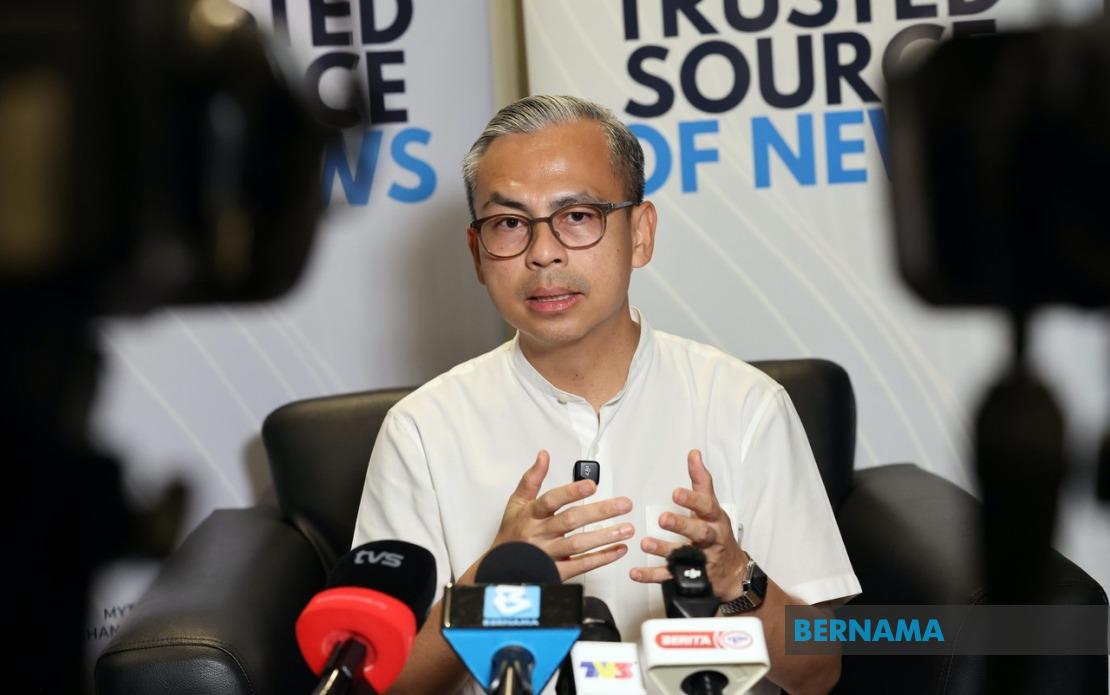
Malaysia's Communications Minister Datuk Fahmi Fadzil has pressed social media platform operators to intensify their vigilance against the spread of false information related to the 16th Johor state election, stressing the critical need for heightened monitoring and swift enforcement measures, particularly as voters head to the polls this Saturday. Speaking to reporters after touring the Malaysian National News Agency (Bernama) operations centre in Johor Bahru, Fahmi articulated concern that unverified claims about election results or constituency winners could circulate rapidly online and undermine public confidence in the electoral process.
While existing platform policies formally prohibit the dissemination of false content, Fahmi acknowledged that the enforcement mechanisms remain insufficient and require substantial enhancement, especially during the sensitive hours when results begin emerging. His remarks underscore a mounting anxiety within the government about the potential for social media to amplify confusion and distrust during elections—a concern that resonates across Southeast Asia as digital platforms increasingly shape electoral narratives and voter behaviour across the region.
The minister emphasised that platform operators bear a responsibility to cooperate actively with the Malaysian Communications and Multimedia Commission (MCMC) to address this multifaceted challenge. He noted that previous coordination between MCMC and the Malaysian Media Council has yielded some progress in combating the fraudulent use of media logos and the distribution of doctored graphics designed to mislead the public. However, Fahmi stressed that tackling fabricated logos represents only part of the solution, and that the broader problem lies in user-generated content circulating on social media—whether in graphic or textual form—that contains misleading election-related information.
The distinction Fahmi drew between platform-controlled measures and crowd-sourced misinformation highlights a fundamental challenge facing digital regulators globally. While platforms can implement systems to verify official sources and flag manipulated content, the sheer volume of material generated by millions of users makes comprehensive filtering extraordinarily difficult. In the Malaysian context, where voters rely heavily on WhatsApp, Facebook, and TikTok for news and commentary, the absence of effective real-time fact-checking mechanisms creates an environment where false claims can reach vulnerable audiences before corrections emerge.
Fahmi reported that the MCMC has received no formal complaints so far regarding misconduct in social media campaigning during this election cycle, a statement that may reflect either genuine compliance by political actors or potential gaps in the complaint mechanism itself. Regardless, the minister's proactive warning suggests government awareness that the final week of campaigning presents heightened risks for coordinated disinformation campaigns aimed at swaying undecided voters or dampening turnout among specific demographics.
Beyond the misinformation challenge, Fahmi highlighted the ruling coalition's confidence in its campaign strategy for the closing phase of the Johor election, emphasising efforts to mobilise voters residing outside the state to return home and cast their ballots. The government has observed positive responses to public transport initiatives facilitating voter movement, and several bus operators have introduced special packages to reduce logistical barriers for outstation voters. This approach reflects recognition that voter convenience and accessibility directly influence turnout levels, particularly among younger voters whose mobility and employment situations may complicate their voting participation.
In a bid to broaden the participating electorate, Fahmi revealed that students enrolled at the Youth and Sports Skills Training Institute (ILKBS) have been granted leave to vote, a measure designed to prevent work and study commitments from preventing civic participation. The minister has also appealed to employers, particularly those in retail and food and beverage sectors where weekend staffing is typically critical, to grant flexibility on polling day. These practical measures reflect an understanding that structural barriers—shift work, transportation costs, and competing responsibilities—often depress turnout more significantly than political disengagement.
Regarding overall voter participation targets, Fahmi expressed hope that turnout would exceed 60 per cent, framing electoral engagement as essential not merely for democratic legitimacy but as an expression of Johorean identity and agency over the state's trajectory for the next four to five years. His appeal to parents to encourage non-resident children to return underscores demographic realities in Malaysian politics, where internal migration for education and employment has created dispersed voter populations requiring deliberate mobilisation strategies. This intergenerational appeal also carries implicit messaging that voting represents both civic duty and familial responsibility, a framing common across traditional Asian societies.
The minister's multifaceted approach—simultaneously addressing misinformation regulation, practical voting accessibility, and voter mobilisation—reflects the contemporary complexity of managing elections in digital environments where technical, behavioural, and institutional factors intersect. For Malaysian stakeholders and regional observers, Fahmi's emphasis on social media accountability establishes a benchmark for platform responsibility that may influence regulatory discussions across Southeast Asia, where governments increasingly grapple with balancing free expression against the containment of electoral interference. The outcome of this Johor election and the effectiveness of anti-misinformation measures during polling day may signal the trajectory of digital governance in Malaysian politics moving forward.

