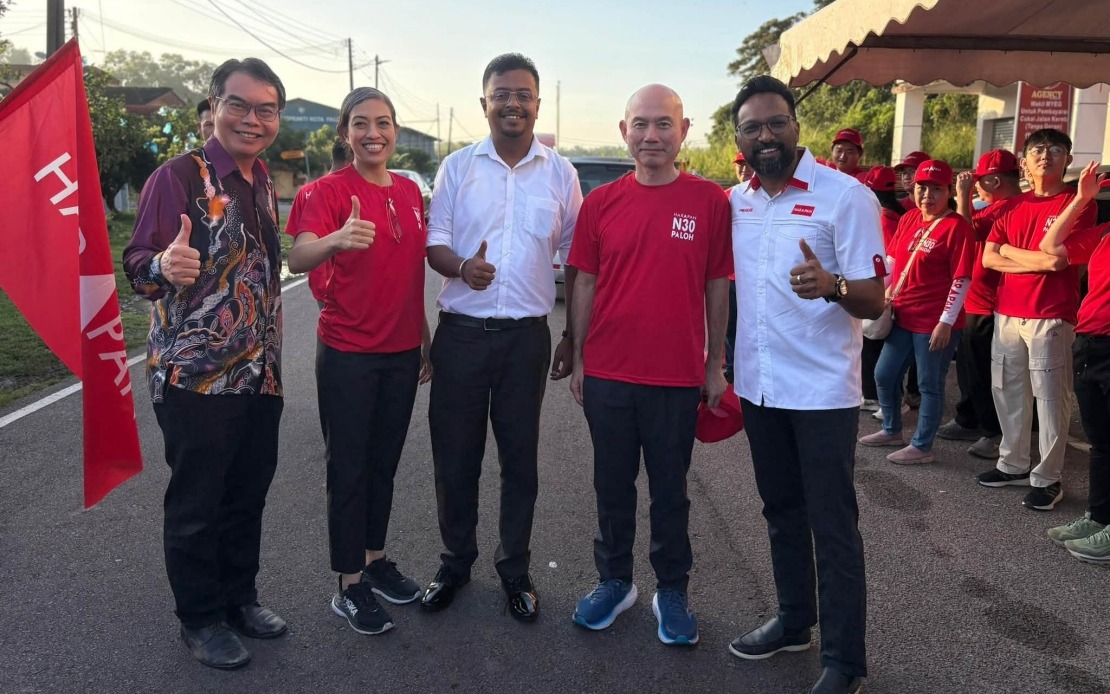
Political candidates contesting in the 16th Johor state election are racing against the clock to secure voter support through an intensive digital campaign as polling day approaches on Saturday. With just three days remaining, social media platforms have emerged as the primary battleground where representatives from Pakatan Harapan, Barisan Nasional, Perikatan Nasional, and independent hopefuls are making their final pitches to an electorate of 2.7 million registered voters spread across 56 state assembly seats.
The shift towards digital engagement reflects broader changes in how Malaysian political campaigns operate. Candidates are no longer confining their activities to ground-level canvassing and ceramah sessions; instead, they are simultaneously maintaining active online presences across Facebook, TikTok, Instagram, and X. This dual-pronged approach allows them to reach geographically dispersed voters and, crucially, engage younger demographics who increasingly consume political information through digital channels rather than traditional media.
Pakatan Harapan's candidate for the Paloh constituency, Dr. A Ruban, exemplifies how candidates are adapting campaign strategies to the digital age despite personal challenges. Although currently hospitalised for treatment of a spinal condition, his campaign machinery continues unabated through social media channels, demonstrating that digital infrastructure now allows campaigns to sustain momentum even when traditional ground presence becomes difficult. His messaging emphasises rural development and youth empowerment, themes carefully crafted for online dissemination.
The nature of content being shared reveals deliberate strategic choices. Rather than simply broadcasting manifestos, candidates are employing creative storytelling techniques to humanise their campaigns. Posts capturing candid moments, such as Dr. Maszlee Malik's documentation of his involvement in education infrastructure projects or Ir Nazri Abdul Rahman's breakfast visit to a local warung, create an impression of authentic engagement with constituents. These carefully curated glimpses into candidate activities serve to build personal connection and relatability.
Barisan Nasional's campaign approach reflects its position as the incumbent coalition. Johor Menteri Besar Datuk Onn Hafiz Ghazi is using social media to reinforce messaging around candidate experience and integrity, emphasising that BN representatives possess proven track records and community understanding. This narrative targets voters seeking stability and established governance, positioning the coalition as the safer choice. Meanwhile, candidates like Datuk Mohd Jafni Md Shukor leverage their incumbent status to highlight previous development achievements.
The sophistication of campaign tactics has evolved considerably. Infographics designed for quick consumption on mobile devices, short-form TikTok videos optimised for the platform's algorithm, and live-streaming question-and-answer sessions represent an adaptation to how digital audiences actually engage with content. Traditional long-form campaign speeches have been compressed into digestible formats that facilitate rapid sharing and widespread reach among younger voters.
Particular attention is being paid to addressing the concerns of specific demographic groups. Dr. Maszlee Malik's frequent posts about school shoe provision might appear trivial, yet they reflect understanding that parents comprise a substantial voting bloc, and messaging that addresses tangible household expenses resonates effectively. Similarly, emphasising women's empowerment and youth opportunities acknowledges that these groups represent significant voting populations whose priorities differ from older generations.
Minor coalitions and independent candidates are not sitting passively on the sidelines. Perikatan Nasional, Parti Bersama Malaysia, and independent hopefuls have similarly embraced live-streaming and short-video formats to promote their platforms. This democratisation of digital tools means that even candidates with smaller campaign budgets can reach voters through organic social media engagement and viral potential rather than expensive traditional advertising.
The timing of the online campaign surge is particularly significant. Campaign rules prohibit campaigning after 11:59 pm on July 10, meaning candidates have intensified their digital efforts to maximise reach in the final 48 hours before the blackout period. This concentrated push reflects recognition that late-stage messaging significantly influences undecided voters who comprise a crucial portion of the electorate. Social media's capacity to reach voters irrespective of geographic location makes it especially valuable for reaching those outside traditional campaign strongholds.
For Malaysian observers, the Johor election campaign demonstrates how digital platforms have fundamentally altered electoral dynamics. Candidates who fail to maintain sophisticated social media presence risk appearing disconnected from contemporary voter preferences. The 172 candidates contesting these 56 seats recognise that demonstrating digital competence itself signals understanding of modern governance requirements. A candidate's ability to navigate TikTok algorithms or craft shareable content implicitly suggests capability in managing digital-age policy challenges.
The election statistics underscore the campaign's significance. With 2,727,926 registered voters determining outcomes across 56 constituencies, even marginal shifts in voter sentiment driven by effective social media messaging can determine election outcomes. Constituencies with tight margins become especially susceptible to last-minute digital persuasion campaigns, making the final 48 hours potentially determinative.
Regional implications extend beyond Johor's borders. As Malaysia's most developed state economically and increasingly digitally sophisticated, Johor's election campaigns serve as testing grounds for political messaging strategies that may subsequently influence federal-level politics. The techniques and platforms deployed in this election will likely inform approaches adopted in future electoral contests across Malaysia, establishing new standards for digital-era political engagement that other states will seek to emulate or exceed.

