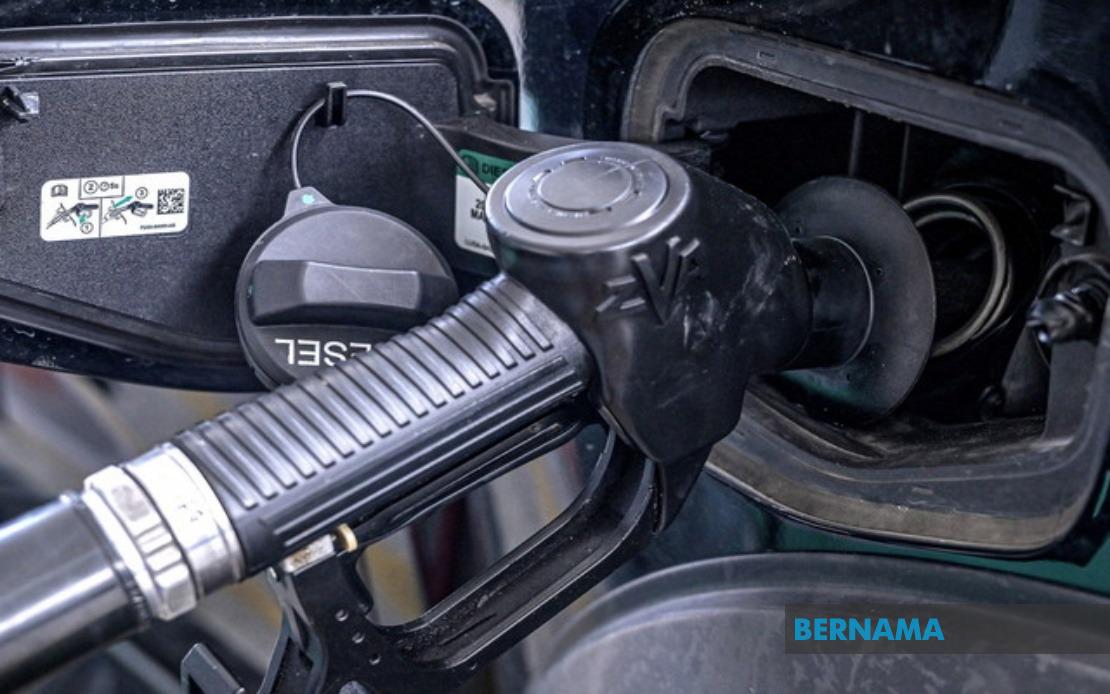
The government has launched a new phase of its Subsidised Diesel Control System (SKDS), expanding eligibility to include micro and small business operators who utilise company-owned private vehicles such as jeeps and pickup trucks for commercial purposes. Domestic Trade and Cost of Living Minister Datuk Armizan Mohd Ali announced the initiative on Wednesday from Putrajaya, signalling an extension of the subsidy programme beyond its earlier focus on public transport and commercial goods distribution sectors.
The timing of this expansion reflects ongoing government efforts to support small-scale entrepreneurs grappling with elevated fuel expenses, a persistent concern across Malaysia's small business community. By incorporating company vehicles into the SKDS framework, policymakers aim to reduce operational burdens for businesses that depend on transport as a core component of their commercial activities. The subsidy becomes operational on July 15 for approved applicants, contingent upon successful vetting and the issuance of a dedicated fleet card that tracks fuel purchases and subsidy entitlements.
To participate in the scheme, business vehicles must meet specific regulatory requirements established through the Road Transport Department's (JPJ) MySikap system. Applicants must register their vehicles under the Company Private Use classification, designated as the AE class or code within JPJ's digital infrastructure. This categorisation distinguishes business-use vehicles from privately-owned cars, enabling authorities to accurately target subsidies toward intended recipients and prevent misuse of public resources.
Beyond vehicle classification, operational eligibility hinges on the legal structure of the business itself. The government restricts participation to sole proprietorships and partnerships, deliberately excluding larger corporate entities that operate under different legal frameworks. Such businesses must hold formal registration with either the Companies Commission of Malaysia (SSM) or the relevant local authority in the states of Sabah and Sarawak, where administrative processes may differ from peninsular Malaysia. This stringent verification process underscores the scheme's focus on genuinely small-scale operators rather than larger enterprises.
The MySubsidi portal serves as the centralised application gateway for interested business owners. By channelling all applications through a single digital platform, the government aims to streamline processing, enhance transparency, and maintain comprehensive records of subsidy beneficiaries. The portal's integration with existing government databases facilitates cross-referencing with JPJ records and SSM registration data, reducing administrative friction and expediting approval timelines. Officials have urged eligible applicants to submit documentation promptly to secure their place in the subsidy queue.
This announcement represents the third major expansion of the SKDS programme since its inception. The government previously extended coverage to the public land transport sector, encompassing buses and taxis that provide scheduled passenger services, and subsequently to the consumer goods transport sector, which includes logistics providers and delivery operations. Each phase has methodically broadened the scheme's reach to capture different segments of the Malaysian transport industry, reflecting a comprehensive approach to fuel subsidy distribution across economically significant sectors.
The subsidy mechanism operates through a fleet card system that directly reduces fuel costs at participating petrol stations. Rather than imposing bureaucratic reimbursement procedures, the fleet card automatically applies discounts at the point of purchase, providing immediate financial relief to businesses. This operational design minimises administrative overhead for small business operators who typically lack dedicated accounting departments to manage subsidy claims and documentation. The system's efficiency makes it particularly valuable for micro-enterprises operating with limited administrative resources.
For Malaysian small business owners, particularly those in transportation, construction, and service sectors reliant on vehicle mobility, the SKDS extension addresses a significant cost pressure. Fuel constitutes a substantial proportion of operational expenses for such businesses, and fluctuations in global crude oil prices directly impact profitability and competitiveness. By stabilising fuel costs through government subsidy, the scheme provides business owners with greater financial predictability and enables them to maintain more competitive pricing for their customers across various industries.
The scheme's expansion also carries implications for Malaysia's broader subsidy economy and fiscal policy. As the government extends programme coverage across multiple transport sectors, aggregate subsidy expenditure necessarily increases, raising questions about budgetary sustainability and the long-term viability of subsidised fuel pricing. Policymakers must balance the immediate benefits of reduced transport costs against concerns about fiscal strain and the adequacy of government revenues to fund expanded subsidy regimes in future years.
Regionally, Malaysia's approach to targeted fuel subsidies diverges from practices in several neighbouring economies. While some Southeast Asian nations have progressively reduced or eliminated fuel subsidies to encourage efficiency, Malaysia maintains a more interventionist stance through programmes like SKDS. This policy choice reflects political priorities and domestic economic considerations, though it invites ongoing debate among economists regarding optimal subsidy design and the potential for market distortions.
Business operators and entrepreneurs should note that successful SKDS participation requires timely application submission and meticulous compliance with all verification requirements. The MySubsidi portal provides detailed guidance on documentation standards and eligibility criteria. As competition for subsidy allocations may intensify as awareness spreads among the small business community, early application submission represents a prudent strategy for securing subsidy benefits before processes become congested.
The government has indicated that the SKDS programme remains subject to ongoing review and potential adjustment based on programme performance data and fiscal considerations. Business owners should remain informed about any policy modifications that might affect subsidy rates, eligibility criteria, or administrative procedures. Regular monitoring of official government communications through the Ministry of Domestic Trade and Cost of Living will help businesses maintain awareness of developments affecting their subsidy entitlements and compliance obligations.

